By Kuda Pembere
With the clause for the wilful transmission of HIV set to be removed from the the Criminal Laws Amendment (Protection of Children and Young Persons) Bill appluaded, the Youth Advocates Zimbabwe (YAZ) finds there is still some unfinished business to settle regarding the status on access to sexual reproductive health services amongst young persons.
This follows some clarifications on the clause by the Justice, Legal and Parliamentary Affairs Minister, Ziyambi Ziyambi in Parliament recently.
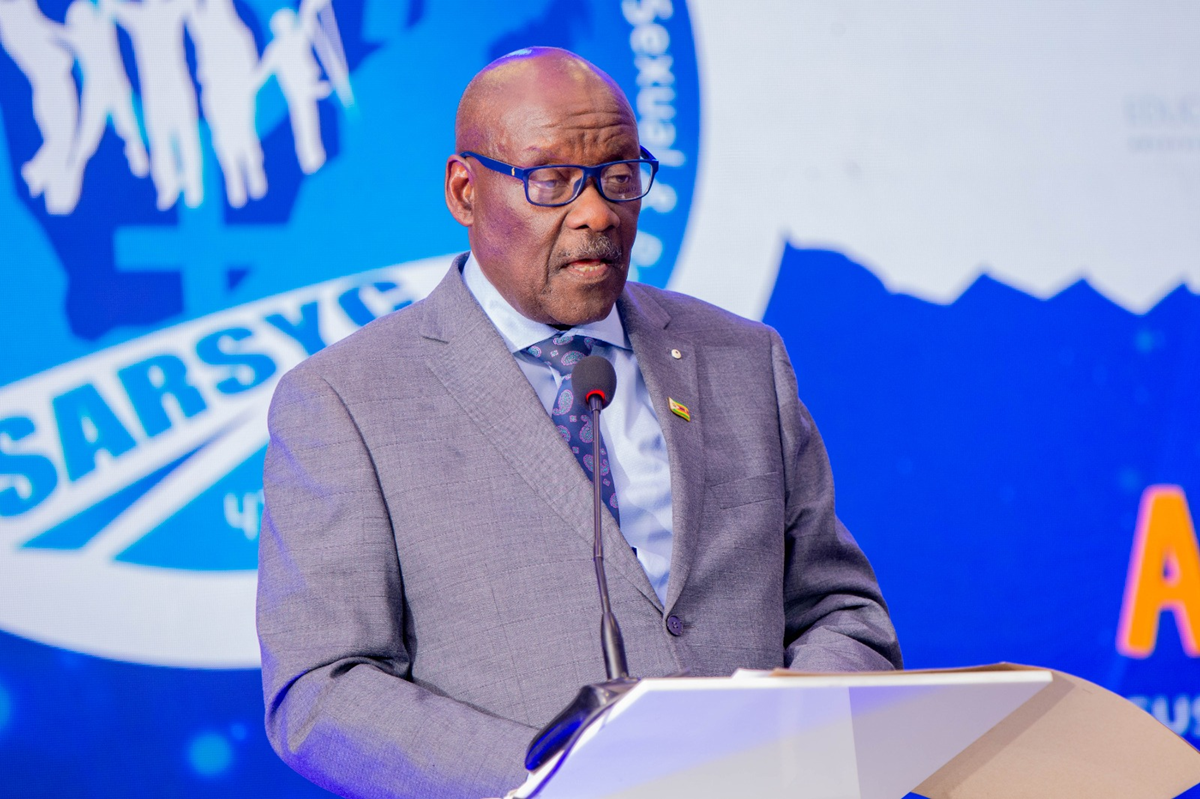
Commending the move to withdraw the clause, YAZ Executive Director Tatenda Songore said in an interview, much could be done to improve the provision of SRH services amongst young people. This comes against the background of high teenage pregnancies and child marriages, challenges bedevilling the country.
According to several UNAIDS reports, adolescent girls and young women are disproportionately at high risk of contracting HIV.
“It’s a great step that is consistent with Zimbabwe’s progress towards the vision 2030 and achieving UNAIDS targets.
“Previously, this clause was removed and somehow it came back in this amendment and we are happy the minister has removed it,” he said.
He called for unfettered access to SRH services for youngsters.
“We are now calling for the same effort to be made in addressing the age related barriers for young people to access SRH services. Every young person should be able to access services without age related stigma,” Mr Songore said.
It is in this Bill, gazetted in January this year that President Emmerson Mnangagwa raised the age of consent to sexual relations to 18 from 16.
The Statutory Instrument invoked by the President raised the age of consent to sexual relations to 18, consistent with the Constitution which sets the minimum marriage age at 18 and defines all young people as below the age of 18, while the original law defined them as below the age of 16, so protection was withdrawn from 17 and 18-year-olds.
The Presidential Powers have a lifespan of just six months during which Parliament has to pass a substantive law if the wish is to make the measure permanent.
The Bill’s intention was to re-criminalise deliberate HIV/AIDS transmission despite the fact that the Marriages Act had decriminalised wilful HIV/AIDS transmission. Contributing to debate on the Bill in the National Assembly recently, Minister Ziyambi, clarified that prosecution under the Criminal Laws Amendment (Protection of Children and Young Persons) Bill should only apply when deliberate transmission of HIV/AIDS is done in aggravating circumstances such as rape and other sexual offences involving young persons.
“The way it is couched in the Bill is not correct. The policy direction from the Executive was, where you sleep with a young person and you have been convicted, it becomes an aggravating factor if you have wilfully transmitted an STI to that particular young person.
“The assumption that we are coming from is, young persons are not sexually active and it is not very difficult to prove once you have been convicted. Medical reports are there to prove that the young person contracted HIV and STIs and it should be an aggravating factor on sentencing.
“We are going to change this so that it does not appear like we have generally reintroduced the clause that we repealed the last time when we brought the Marriages Act. It is very difficult to prove and worldwide studies have shown that criminalising does not reduce transmission levels,” said Minister Ziyambi in Parliament