By Kuda Pembere
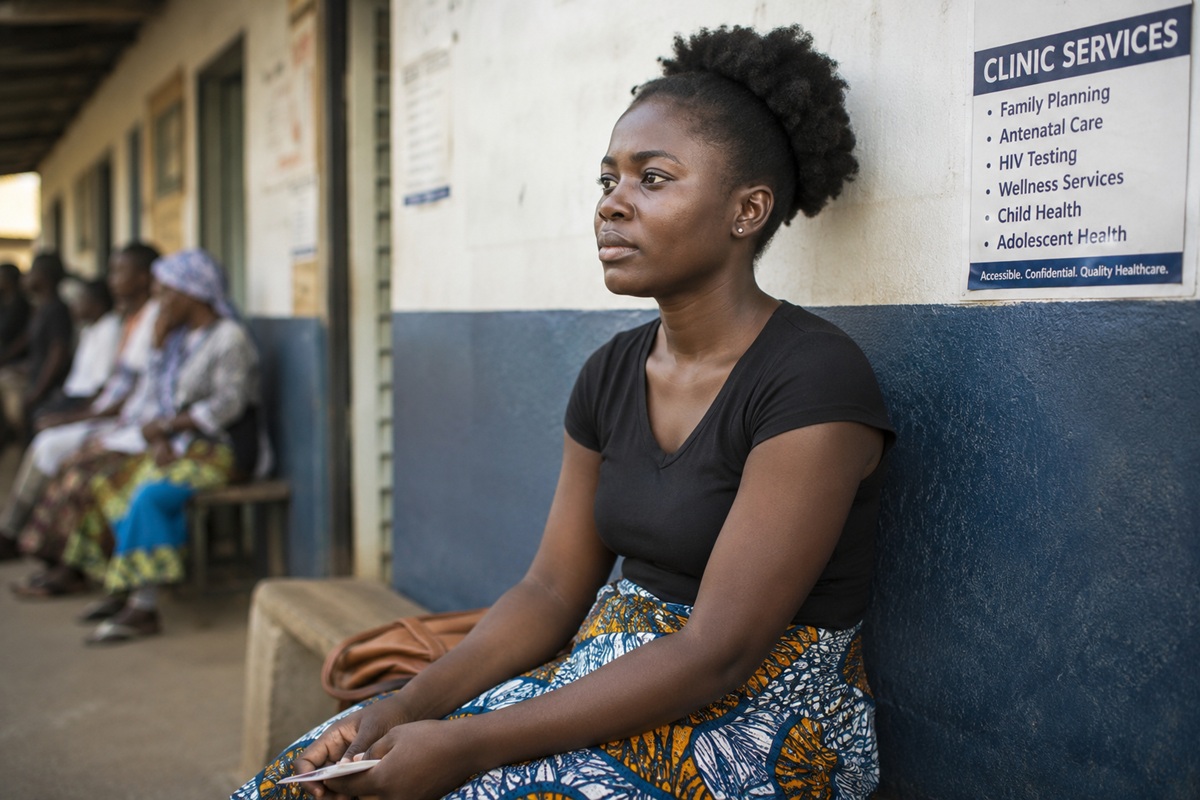
There is a misalignment in Zimbabwe’s laws that continues to negatively affect access to Sexual and Reproductive Health Services by adolescents, which may help reduce the scourge of teenage and child pregnancies.
The World Health Organization (WHO) defines adolescents as individuals aged 10–19 years, and youth as those aged 15–24. However, legal pronouncements governing the provision of SRHS remain restrictive, often influenced by cultural and religious beliefs.
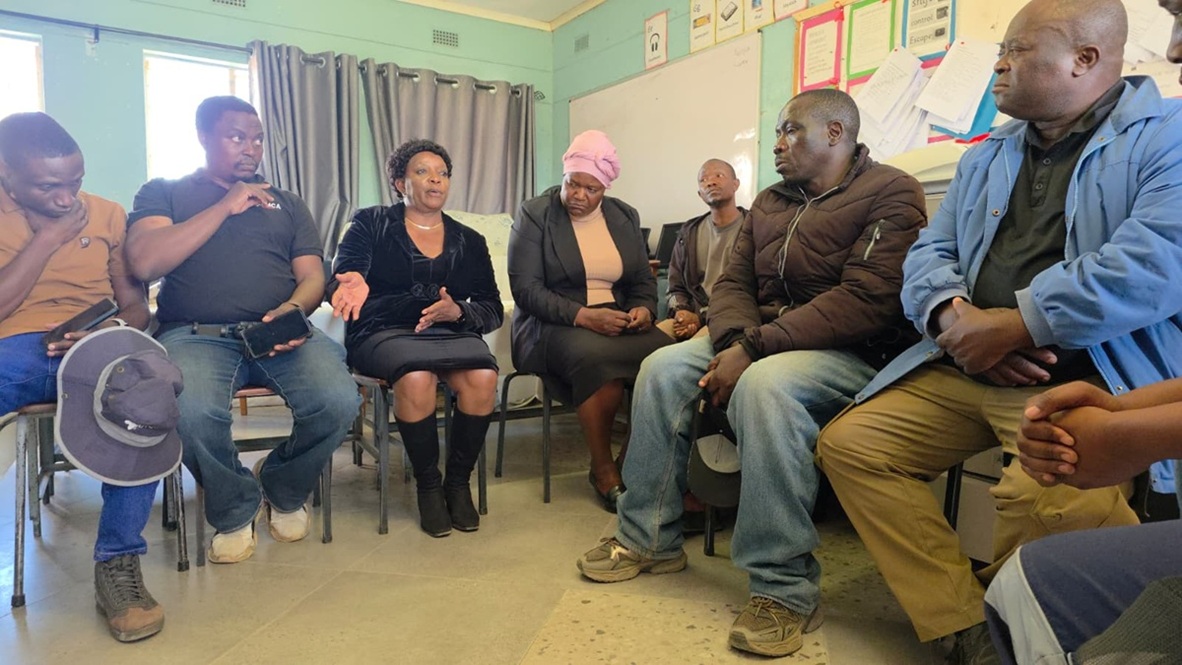
This concern was raised during a media sensitization workshop on the Step Up 4 Adolescents SRH campaign.
YA executive director Tatenda Songore commended Zimbabwe for having a civilized constitution but lamented how adolescents are often left behind when it comes to access to SRH services.
In Zimbabwe, we’ve got a very progressive constitution. By some of our laws, for example, the law that restricts access to health care services for young people below the age of 18, we’ve seen that over a million parents are in the diaspora and they’ve left children, unattended minors, and they’re below the age of 18.
When they want to access health care services, sometimes they will not be able to access them without legal repercussions,” he said.
Songore noted that while Zimbabwe has progressive national clinical standards on SRHS, these are not fully supported by law.
“We have seen that the government has got progressive national clinical standards on sexual reproductive health services, but these standards are not backed by the law. And we’re seeing that our laws need to be consistent with the constitution, which offers access to health care services, including reproductive health care services to everyone. And we need to make sure that the laws are consistent with the constitution and also progressive policies are also tied to the laws of the country.”
He added that restrictive access to SRH services is not unique to Zimbabwe but is also a challenge in other East and Southern African countries.
“We are looking at teenagers, and the indicators show us that on average, we are seeing between 19% to around 31% child marriages happening within those countries. When we talk about Eastern and Southern Africa (ESA), with support from HIVOS, we are implementing a campaign called Step Up to Access in Zimbabwe, Zambia, Uganda, Kenya, and Malawi. These five countries have been known for having those issues affecting adolescents, but at the same time, we have noted that the laws and policies of these countries oftentimes restrict access to sexual and reproductive health services for adolescents because of their age.”
Restless Development programs coordinator Maxwell Changombe said comprehensive sexuality education (CSE), if implemented fully and consistently, could help address challenges such as child exploitation, gender-based violence, and drug abuse.
“CSE also incorporates life skills education, where a young person is taught on career guidance, is taught on how they can set their goals going forward,” he said.
Changombe praised Zimbabwe for having the best CSE policy in the ESA region but stressed the need for enforcement.
“So particularly here in Zimbabwe, we really applaud our government for the efforts that they are doing to ensure that comprehensive sexuality education is being taught in teacher-learner institutions and also in nurse training institutions,” he said.
“However, we really implore the government to ensure that they really enforce the implementation of comprehensive sexuality education in schools, where it’s being structured as guidance and counseling, and we really applaud that.
“But however, there is a lack in out-of-school young people, those who are not school-going. They really lack access to comprehensive sexuality education. We acknowledge that it’s being done in different health clubs, by different non-governmental organizations, clinics. However, the consistency is not there.”
Population Services advocacy and gender advisor Mrs Nyasha Mudavanhu has raised concern over legal contradictions that she said continue to endanger adolescents’ access to health services.
She noted that while Zimbabwe’s Constitution guarantees every citizen the right to health care, statutes such as the Public Health Act restrict minors’ ability to give consent.
“In 2022, Zimbabwe recorded 1 532 maternal deaths, and 25 percent of these were among young women below the age of 24,” she said. “We also saw antenatal bookings among girls as young as 10 to 14. Our laws assume every child has a parent or guardian, yet many minors are heading households.
“They can receive cash transfers to support families, but cannot give consent to access health services.”
Mrs Mudavanhu further warned that the forthcoming Medical Services Amendment Bill, which retains the requirement for “legal capacity” to access care, risks worsening the exclusion of adolescents.
“If we are serious about protecting young people’s health and rights, we must harmonise our policies with the Constitution,” she said.