By Michael Gwarisa
To break down language barriers in Sexual and Reproductive Health and Rights (SRHR), Zimbabwe’s Womandla Foundation has launched the country’s first-ever vernacular glossary of SRH terms. The initiative aims to make SRHR information more accessible to rural communities, helping people better understand programs and services that affect their health and well-being.
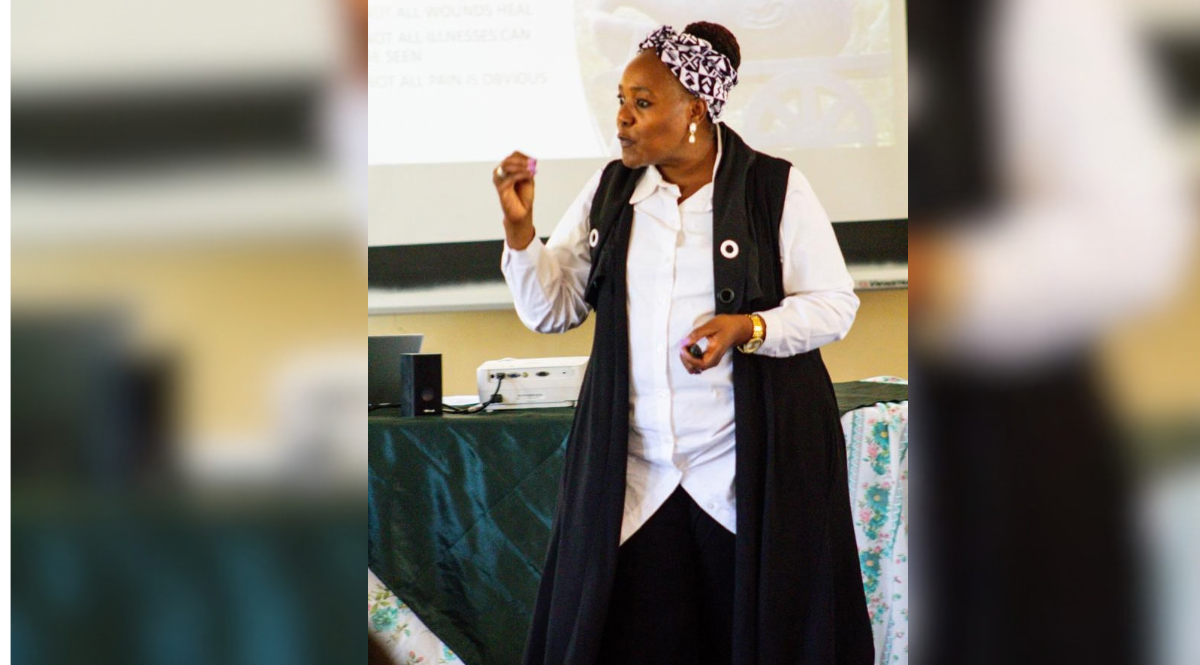
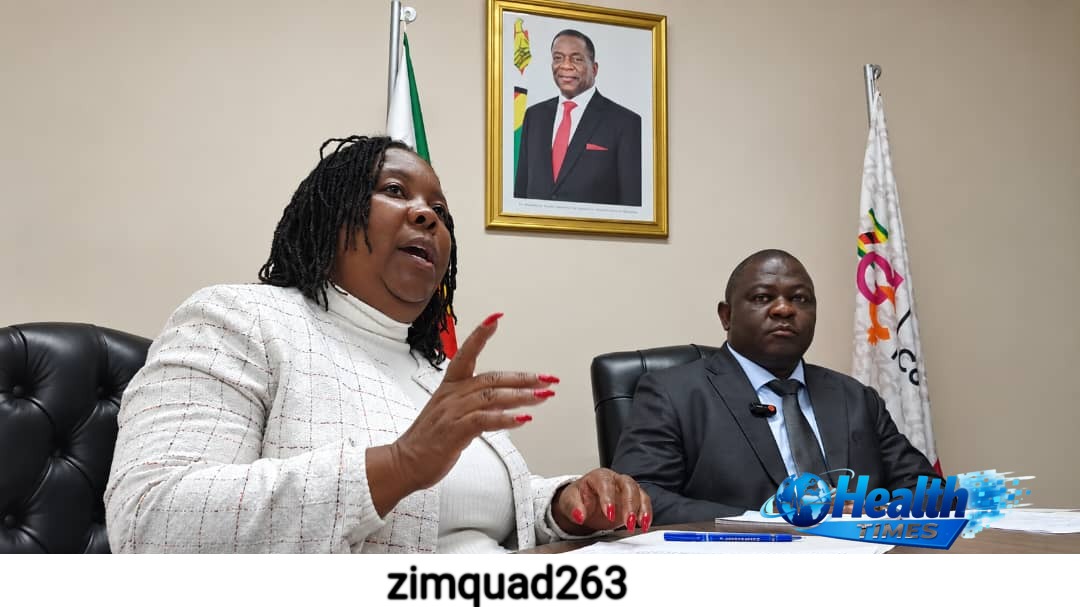
Speaking in an interview with HealthTimes, Womandla Foundation Executive Director, Tadiwanashe Burukai-Matutu, said barriers relating to language were significant.
At Womandla Foundation, we have always known that language is power. Being based in a rural community, we often struggled to communicate sexual and reproductive health and rights (SRHR) information clearly because there was simply no shared vocabulary that made sense in our local context. That’s how the idea of developing a Shona SRHR Glossary was born,” said Burukai-Matutu.
The translation process was supported by the Love Alliance – Aidsfonds, following grassroots consultations.
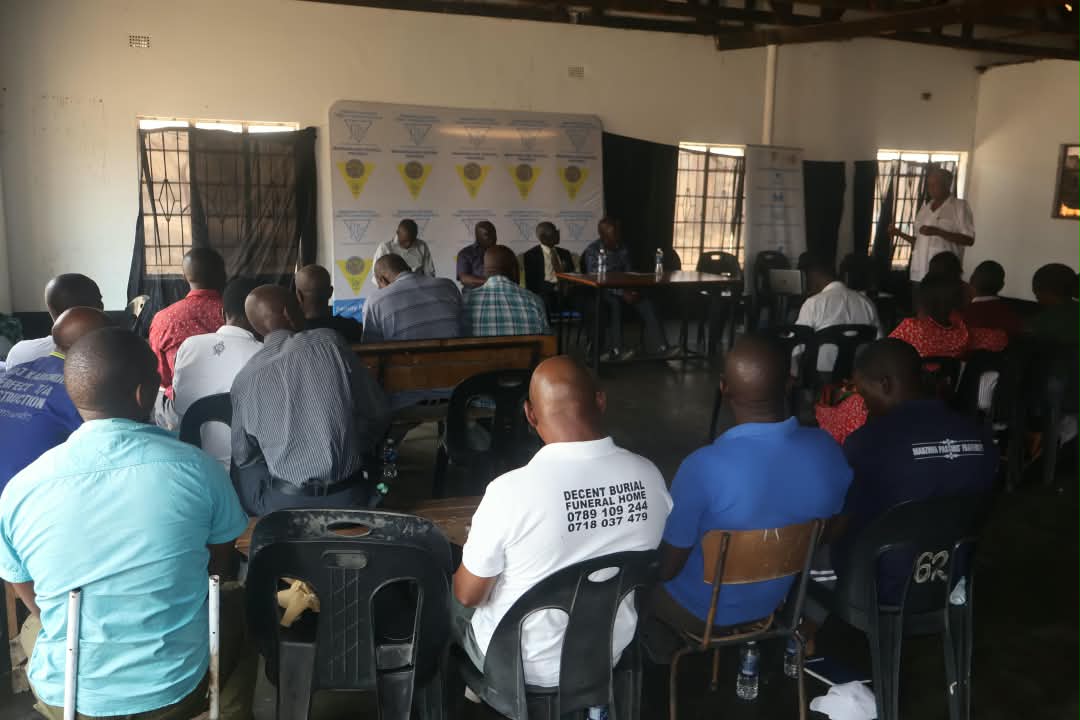
We set out on a journey to co-create a tool that brings SRHR language closer to the people. We didn’t do this alone, we listened. We consulted with rural communities, traditional and religious leaders, civil society organizations working in low-literacy areas, and young people. We asked them: What words do you use when you talk about these issues? What makes sense in your everyday language?”
Womandla also worked with a lexicographer to help translate and standardize the terms in line with cultural and community contexts. This was followed by a validation webinar to gather more feedback, resulting in the first edition of the SRHR Terminology Glossary: Shona Translations for Advocacy and Engagement being produced.
“This glossary is not the final word — it’s the starting point. We will be updating it every year, and we are inviting everyone to suggest new words or better ways to say things. With additional support, we are hoping to expand this to isiNdebele and even sign language if we could get funding.”
Meanwhile, Womandla has also developed Geliza, a multilingual WhatsApp chatbot available in English, Shona, and isiNdebele.
“We are intentional about language. Because language should never be the reason someone is left behind in understanding their rights. Let’s keep building tools with the community, for the community.”