By Kuda Pembere
The City of Harare has reported a sharp rise in Hand, Foot and Mouth Disease (HFMD) cases in children, with infections now reaching a cumulative 1 500 cases since the first case was recorded.
As of November 20, the city had reported 575 cases, meaning current infections represent a 161 percent increase.
“Yes, we are experiencing an outbreak of hand, foot and mouth disease in the city of Harare. We have now received in excess of 1,500 cases of hand, foot and mouth from all over the city, most of them especially in the high-density areas have been affected,” City of Harare Health Director Dr Prosper Chonzi said speaking to HealthTimes.
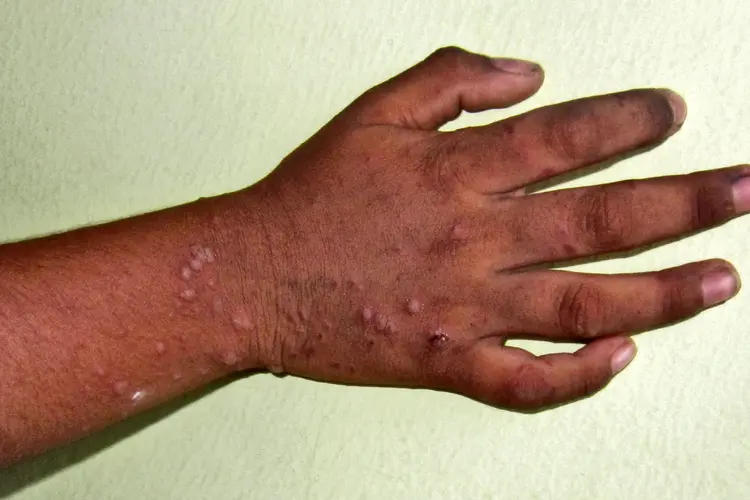
He explained it is viral infection which causes a rash on the hand, the feet and around the back of the mouth noting there are no fatalities.
“It’s a self-limiting disease which means that we do not expect any deaths from it and we have not yet had any deaths.
“We don’t expect people to be hospitalized. It affects mostly children that are under 10 years of age and this is the experience that we are seeing here. Like we said, it’s a viral disease and we don’t expect any fatalities from it,” Dr Chonzi said.
Dr Chonzi stated that the closure of schools may help control the spread of the disease.
“It’s spread by direct contact with the fluids of those that are infected, especially in the vesicles by the rash. So if you avoid direct contact with that and if you wash your hands regularly, then you will not have it. We are happy that schools have closed now and the children are no longer together in classes and we can deal with them if these cases do arise,” he said. “But like I said, we don’t expect anyone to die from it and there are no fatalities as of now.”
Hand, Foot and Mouth Disease: What Parents Need to Know
HFMD is a viral infection caused mainly by enteroviruses such as Coxsackievirus A16 and Enterovirus 71. It spreads easily through saliva, nasal droplets, stool, fluid from blisters, and contaminated surfaces or toys. Young children are especially vulnerable.
How Parents Can Prevent HFMD
- Ensure frequent handwashing with soap and water
- Clean and disinfect toys, surfaces, and shared items
- Do not allow children to share cups, utensils, towels, or pacifiers
- Keep sick children at home until symptoms improve
- Teach children to cover coughs and sneezes and dispose of tissues properly
- Wash bedding and soft toys regularly
- Encourage good nutrition, hydration, and adequate rest