

Kuda Pembere
Amid reduced donor funding and increased calls for domestic resource mobilisation, Zimbabwe’s AIDS levy generated about US$60 million in 2025.
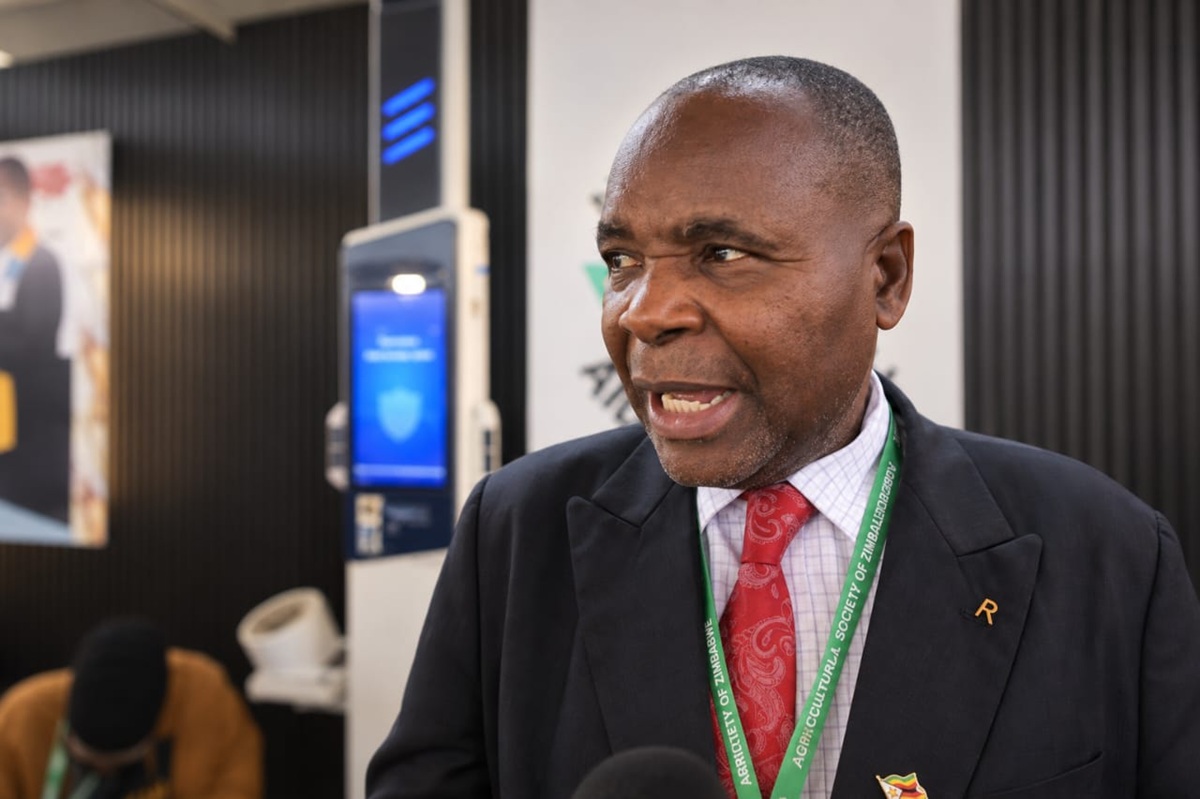
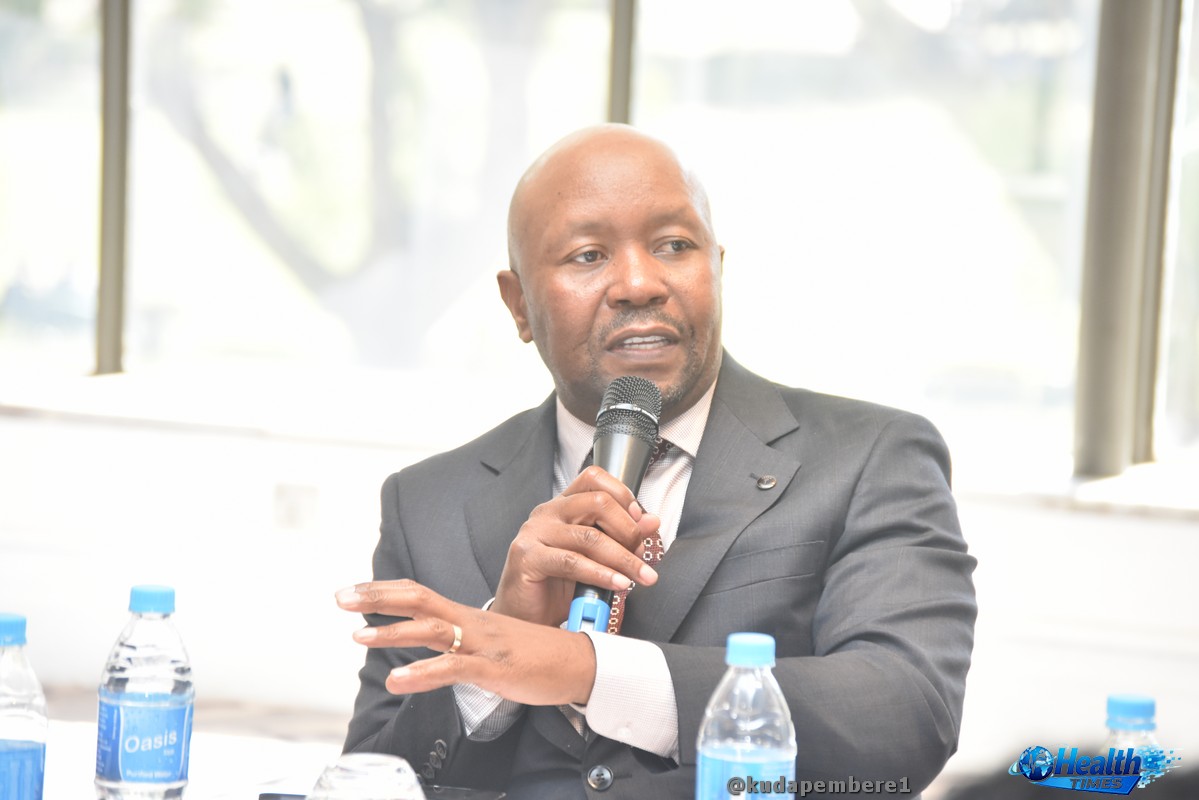
Speaking to HealthTimes, National AIDS Council chief executive officer Dr Bernard Madzima said the amount was far below the estimated annual requirement of US$200 million.
The Zimbabwe National AIDS Levy is a statutory 3 percent tax on individual income through PAYE and on corporate profits. Established in 1999, it funds the National AIDS Trust Fund. The levy is collected by ZIMRA and administered by the National AIDS Council, serving as a sustainable “homegrown” domestic resource. More than 50 percent of the fund is used to procure antiretroviral drugs, with the remainder supporting HIV prevention programmes.
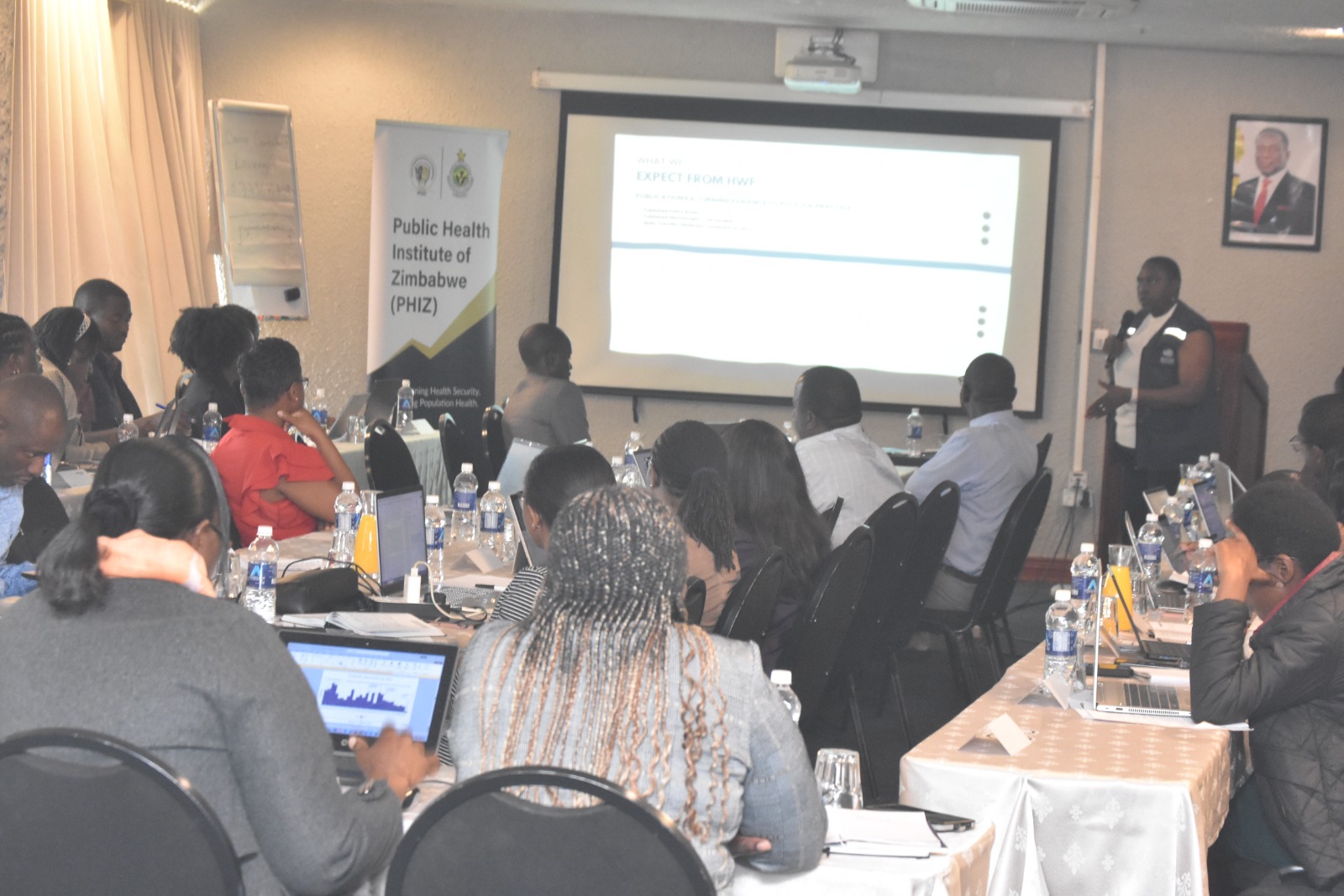
“In 2025, the AIDS levy amounted to around US$60 million. And US$60 million cannot fill a gap of US$200 million. So there is still that funding gap of US$140 million,” Dr Madzima said on the sidelines of the Zimbabwe National HIV and AIDS Strategic Plan IV (2021–2025) validation workshop.
He added that additional financing was urgently needed to close the US$140 million shortfall.
“…which, if we do not get funding from the traditional donors, there is that gap which needs to be filled.”
Dr Madzima said HIV and other health programmes had been severely affected by funding cuts, particularly following the stopgap order by the United States government under President Donald Trump.
“In light of the funding cuts which have happened, and since the beginning of 2025, the HIV programme in particular, and the other programmes in general, they have had severe knockbacks because of these sudden funding cuts,” he said.
He noted that the validation workshop also focused on safeguarding the gains already achieved through sustainable financing.
“So as we move from 2026 to 2030, as we develop our Zimbabwe National AIDS Strategic Plan, these are the areas which we are looking at, how to sustain the gains of the HIV programme, noting that we have already achieved the 95-95-95 targets. So we need to find ways to sustain that momentum.
“And one of the areas which we are looking at is resource mobilisation at the domestic level. We know the funding gaps which have been created by these stopgap measures, and we are looking at mobilising not less than US$200 million per year to ensure that we have adequate supplies of ARVs, laboratory commodities, condoms, sexual and reproductive health commodities. So this is the gap,” he said.
Dr Madzima said the National AIDS Trust Fund needs to be strengthened through additional revenue streams.
“And as National AIDS Council, our main source of funding really is the AIDS levy, the National AIDS Trust Fund, and it needs to be topped up. And we are looking at, together with the Ministry of Health and Child Care, issues around national health insurance. We are also looking at issues of the sin taxes, the health levy, which is being collected on various commodities like sugar, alcohol and cigarettes,” he said.
“But we are also engaging parliamentarians to ensure that health in general can access other forms of taxation. If we are going to fund health, whether through national health insurance or through increasing the AIDS levy, the main issue is to focus on local, domestic resources. That is the strategy we are going to employ.”