
Kuda Pembere
Zimbabwe has joined the Pfizer Accord for a Healthier World in a move set to expand access to patented medicines and vaccines at not-for-profit prices, as Government seeks to close the gap in access to innovative treatment.
Pfizer internal data as of September 2025 showed that 15 countries had been activated with Zimbabwe now becoming the 16th country.
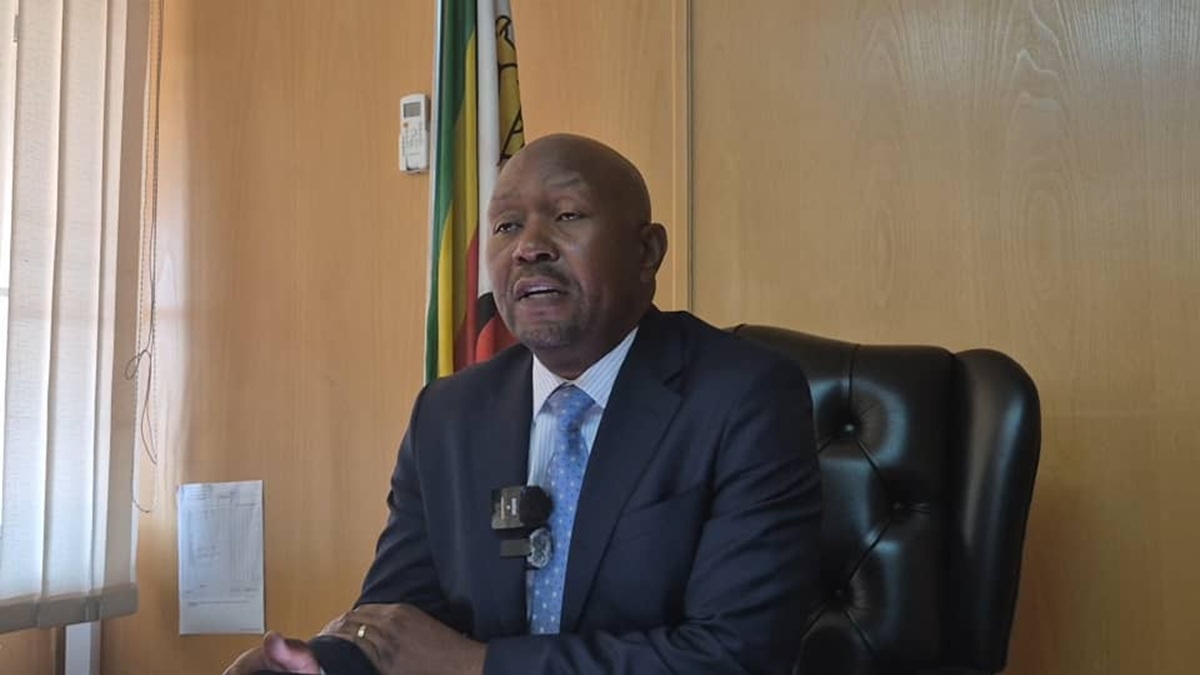
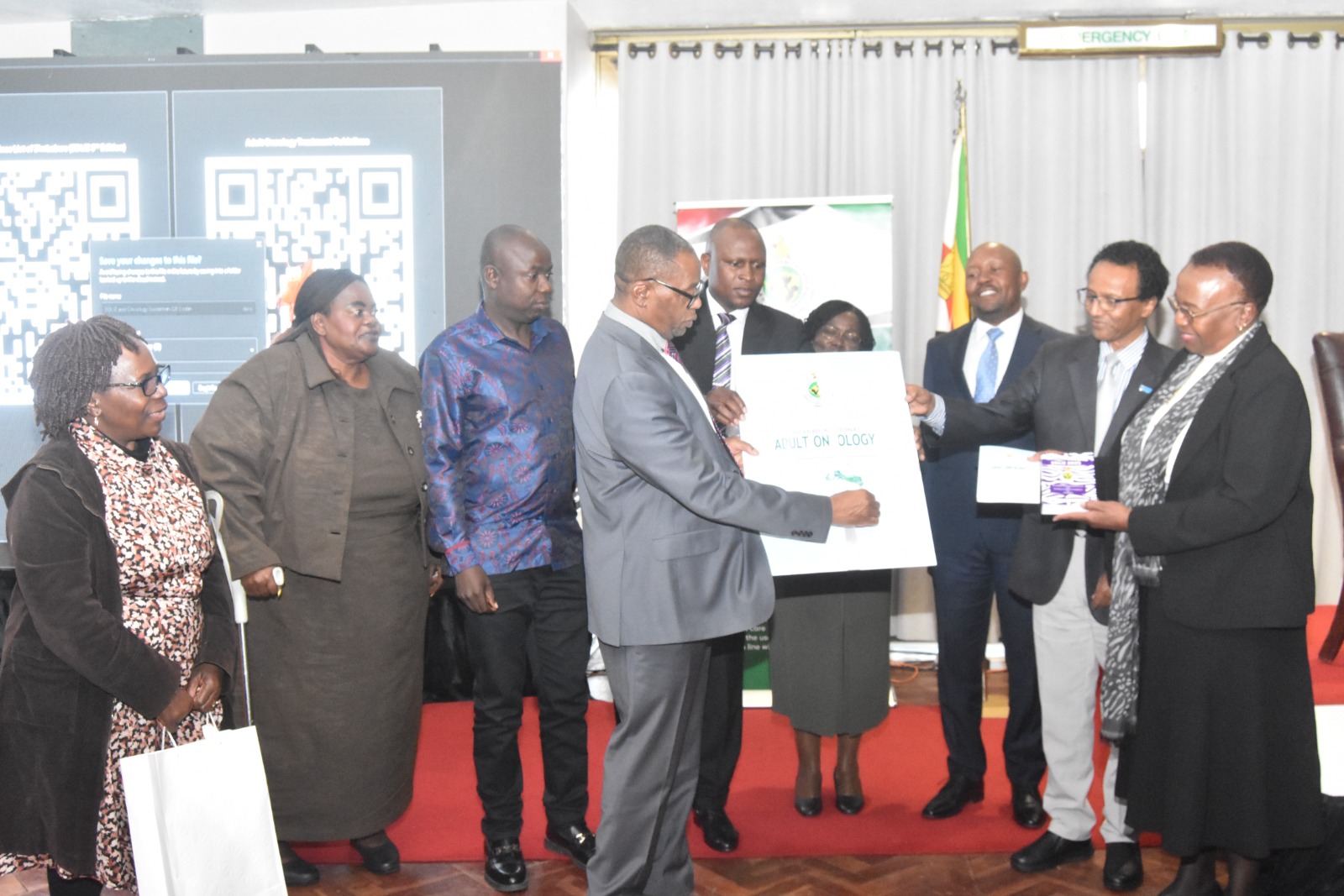
Health and Child Care Minister Dr Douglas Mombeshora signed the strategic agreement with Pfizer on behalf of the Government.
The deal, signed alongside Pfizer’s Vice President of Global Market Access Abdelali Belasri, intends to eliminate the disparity in medical access between Zimbabwe and high-income nations, specifically targeting infectious diseases, oncology, and rare inflammatory conditions.
Speaking at the formalization ceremony, Minister Mombeshora described the Accord as a key milestone under the National Development Strategy 2 (NDS2).
“This engagement is fully aligned with Zimbabwe’s Vision 2030, through which we seek to attain upper middle-income economy status by the year 2030,” he said.
“At the centre of this vision is the development of a healthy, productive population supported by efficient, resilient and responsive social services. Health is not merely a sectoral priority. It is a fundamental pillar of national development, economic growth and social transformation.”
A key component of the agreement involves technical cooperation to overhaul the country’s medical distribution network. Under the terms of the Accord, Zimbabwe will gain access to Pfizer’s portfolio of patented medicines, including those for oncology, infectious diseases, and inflammatory conditions, on a not-for-profit basis.
The Accord intends to provide a sustainable procurement model which protects the national health budget from global market volatility.
“Like many nations, Zimbabwe continues to face challenges in ensuring timely, affordable access to innovative medicines and vaccines. Addressing these challenges requires deliberate collaboration, technical cooperation, and sustainable models for procurement and distribution.
“Through this Accord, we look forward not only to expanding access to essential health products, but also to strengthening the systems that guarantee their efficient and equitable delivery to our people.”
He also reaffirmed the commitment of the Second Republic to ensure that the benefits of the Pfizer Accord are felt tangibly across both urban and rural communities.
“Mr Vice President, progress in health equity is achieved through sustained partnership, mutual accountability, and shared responsibility.
“Zimbabwe, under the leadership of His Excellency the President, Emmerson Mnangagwa, remains steadfast in its commitment to strengthening governance, improving efficiency, and ensuring that the benefits of this collaboration are felt tangibly in communities across our nation.”
Pfizer’s Vice President of Global Market Access Abdelali Belasri said the company is committed to working with Zimbabwe to strengthen its health system.
“Our commitment to you through the Accord program is to make all our products, medicines, and vaccines available and accessible to the people of Zimbabwe, on a not-for-profit basis, whenever there is a need.
“This is a major step that we hope will enable access to our medicines; however, we know that access is only the first step. We want to work with you to understand your specific needs so that we can co-create solutions to strengthen the health system in Zimbabwe.”
The portfolio, according to Pfizer, includes hundreds of patented and off-patent medicines and vaccines across more than 20 therapeutic areas, many of which are on the World Health Organization’s Essential Medicines List. This covers treatments for both infectious diseases and the growing burden of non-communicable diseases (NCDs).