Michael Gwarisa
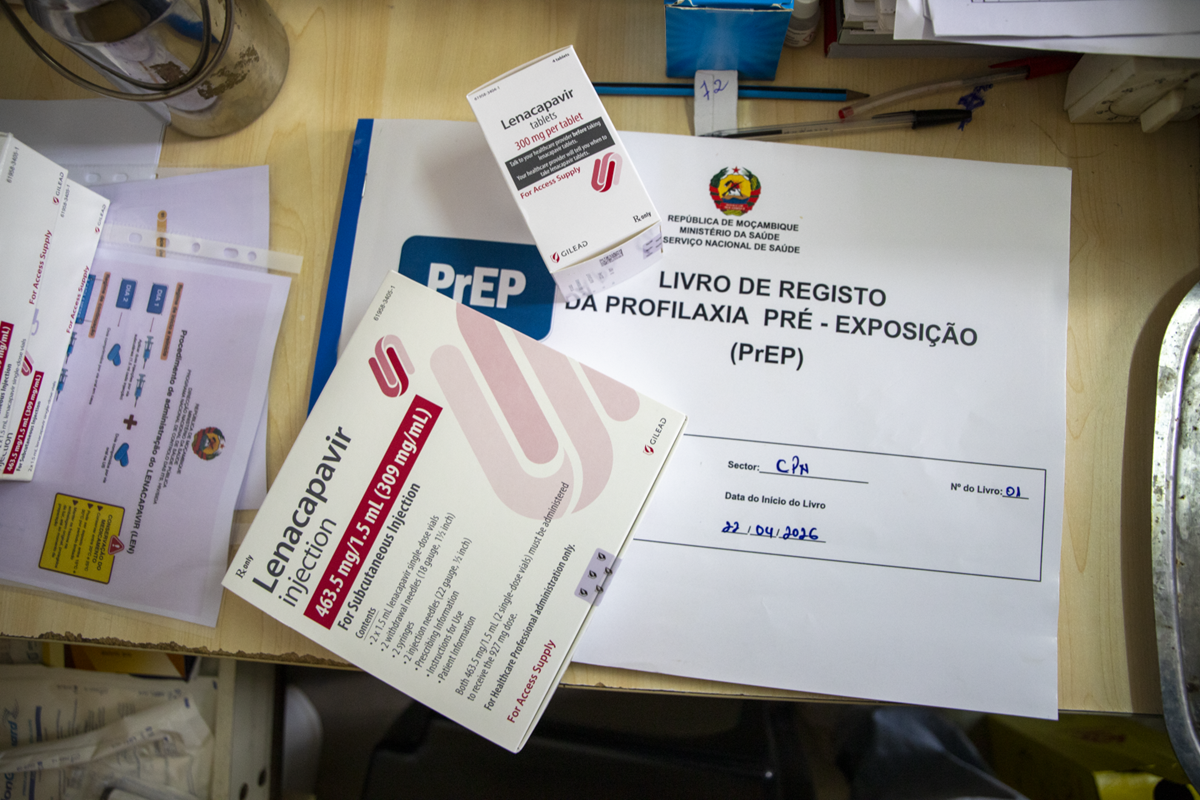
Mozambique yesterday joined other African countries that have introduced and added Lenacapavir, a long-acting injectable HIV prevention drug, into their biomedical prevention methods.
Other countries that have introduced the HIV prevention drug include Eswatini, Kenya, Lesotho, Nigeria, South Africa, Uganda, Zambia, and Zimbabwe.
In Mozambique, the official launch was hosted at the Ndlavela Health Center in the municipality of Matola and was led by the Ministry of Health (MISAU). The event marked a significant step forward in Mozambique’s response to the HIV epidemic and brought together government representatives, local authorities, partners, health professionals, civil society organizations, and community members.
Lenacapavir is a long-acting injectable drug for HIV prevention administered every six months, meaning people only need two injections per year. Its introduction is expected to benefit at least 34,000 people in the initial phase, with a focus on high-risk populations.
The medication will be available free of charge at National Health Service health facilities in Zambezia, Maputo City, and Maputo Province.
“Lenacapavir is one of the most powerful tools for ending the HIV epidemic, and Mozambique is now one of nine African countries benefiting from this innovation,” said Peter Sands, Executive Director of the Global Fund.
He added that the global target is to reach three million people with the intervention by 2028.
The introduction of this medication strengthens the country’s ongoing efforts in combined HIV prevention at a time when Mozambique has an HIV prevalence rate of 12.5 percent among adults aged 15 to 49, according to the latest data from MISAU.
“With approximately 92,000 new infections per year, we need to accelerate effective and innovative solutions. Lenacapavir strengthens our response by expanding prevention options and facilitating adherence, especially among young people. Investing in health is investing in the country’s development,” said Dr. Ussene Hilário Isse, Mozambique’s Minister of Health.
The importance of introducing Lenacapavir was also highlighted for Maputo Province, where the provincial government estimates that around 281,000 people are living with HIV.
Authorities say approximately 24 new infections occur in the province every day, making access to long-term prevention methods critical in reducing new transmissions.
On behalf of the Health Partners Group, the World Health Organization (WHO) reaffirmed its commitment to continue supporting Mozambique in its response to the HIV epidemic.
“This initiative represents a strategic opportunity to strengthen the national response to HIV and position Mozambique as a leader in generating relevant evidence on the implementation of long-term PrEP in settings with a high HIV burden,” said Dr. Nélida Cabral, Acting WHO Representative in Mozambique.
At the same time, and in alignment with the National Strategic Plan for the Response to HIV and AIDS (PEN V), MISAU also launched the Guidelines for Combined Biomedical Prevention of HIV, STIs, and Viral Hepatitis in a separate session.
The guidelines establish practical direction for healthcare providers, managers, and other stakeholders in implementing integrated prevention measures, including the administration of Lenacapavir.
With technical support from WHO, Mozambique continues to align its health policies with the latest scientific recommendations, ensuring that effective interventions reach communities that need them most.
The introduction of Lenacapavir and the launch of the new prevention guidelines reinforce Mozambique’s commitment to expanding access to innovative, equitable, and evidence-based health solutions.
By integrating new technologies with strategic prevention approaches, the country is taking another firm step toward controlling the HIV epidemic and ensuring that science serves communities and future generations.