THE growing food insecurity situation could derail the national Tuberculosis (TB) response amidst indications that some TB patients from rural and peri-urban areas are already defaulting on their medications citing some adverse drug reactions after taking the tablets and medications on an empty stomach for a prolonged period.
By Michael Gwarisa
Zimbabwe is currently faced with a food insecurity situation and according to the Famine Early Warning Systems Network (FEWS NET), between 40 percent and 60 percent of the country’s population could be food insecure by September, 2022.This according to TB survivors and advocates is likely to push more patients towards developing Drug Resistant TB and increase TB related deaths in the country.
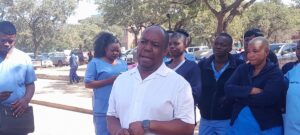
TB survivors and advocates who spoke to HealthTimes on the side-lines of a Stop TB Partnership meeting with TB survivors in Kadoma, Mr Moses Madeya, a TB survivor from Gwanda in Matabelend South said the situation was already bad in Gwanda as most farmers did not get anything from the 2021/2022 cropping season.
Without a good diet, people won’t survive TB because those tablets are very strong. TB is so powerful that it needs tablets or medication that are also strong because TB survives for a long time. It is therefore very important to have a good nutritional base that will supplement your treatment options.
“There is hunger already especially in Matabelend where I come from, you find that there was no rains so this season, we are going to have a lot defaulters. This season we are going to have a lot of missing patients because people cannot access treatment with a hungry stomach. People cannot access finances from selling of their farming proceeds because of this drought. This year will be severe for people with facing catastrophic TB costs,” said Mr Madeya.
He added that the issue of food and nutrition was a critical issue to the TB response. He also recalled how back in the day when he was diagnosed with TB, he lost most of his peers to TB just because they lacked a good nutrition and they at times would hide the tablets under the pillows citing some side effects.
“Taking food on an empty stomach and as a TB patient is very challenging. It induces nausea and other sorts of things including weakness of the body. If you take the medications on an empty stomach, it really causes pressure in the stomach and intestines like its punching your tubes inside there. We need really to get food especially the hungry people, they won’t take the tablets. To stop TB, we need to stop hunger.”
Food security and nutrition play an important role in HIV and TB care and treatment
, including for improving treatment outcomes, adherence and uptake of HIV and TB
care. Poverty, food insecurity and poor nutrition in the population are important
contributors to the burden of tuberculosis (TB).
However, catastrophic health expenditure by TB patients is a common consequence of TB diagnosis, treatment and care, and has been found to be associated with adverse TB outcomes. This often leads to a worsening of food insecurity for patients and their families during the course of the disease.
Ms Moreni Masanzu from Bindura in Mashonaland Central who is also the National Chairperson of TB Survivors highlighted that most TB patients in her area were collecting their medications but not taking them due to food insecurity issues at household level.
“As a person who represents both TB survivors and current TB patients, I am worried that the current food situation could degenerate into a serious health crises for the national TB response. Those who are sick most times are bed ridden and they need good nutrition. No one takes TB medications without having food to complement the medications, it is very difficult.
“TB patients are currently desperate, there is no food. Today if you are to go to the Ministry of Health and Child Care (MoHCC) statistics, they will show you that TB patients are indeed collecting their drugs. However, after collecting the medications, people are not taking the drugs, they are disposing or hiding them. We work in the communities and we see this every day. We have several cases whereby we discovered that people were actually hiding their tablets under the pillow after they would have died,” said MS Masanzu.
In Zimbabwe, the Global Fund has a facility whereby people with Multi Drug Resistant TB receive a monthly substance allowance of US$25.00 and a food hamper US$20.00 to supplement their nutritional needs. However, there have been concerns from the TB circles that the hand-outs were not getting to everyone who is eligible and there is need to ensure everyone who has DR TB accesses the services since they are at greater risk of dying from the diseases.
Meanwhile, Jointed Hands Welfare Executive Director, Dr Donal Tobaiwa called on government and developmental partners dealing with livelihoods issues such as the World Food Program (WFP) to prioritise TB patients.
“The looming drought as well as the nutritional gaps will have a serious impact especially coupled with the negatives that were brought about by the COVID-19. They will have a retrogressive impact on TB treatment in the country especially because TB really requires nutritional support unlike other diseases. It is then important that the other different arms of government, the department of social services, MoHCC and partners that are dealing with livelihoods as well as nutritional support prioritise TB patients when they hand-out food,” said Dr Tobaiwa.
There is a consensus by WHO and WFP that food insecurity is an important contributor to the global burden of TB.