

By Michael Gwarisa
Health authorities have confirmed that Zimbabwe’s latest cholera cases remain confined to Rushinga, a town bordering Mozambique in Mashonaland Central province.
The confirmation comes amid heightened public attention, given Zimbabwe’s history of cholera outbreaks, particularly in high-density suburbs in Harare and smaller towns such as Chegutu, which have previously been affected.
Last week, the Africa Centres for Disease Control (Africa CDC) reported that Zimbabwe and several neighbouring countries had recorded cholera cases following Mozambique’s recent declaration of an outbreak.
In Zimbabwe, health officials confirmed that one fatality was recorded among the initial cases. The first confirmed case involved an individual with a recent travel history to neighbouring Mozambique.
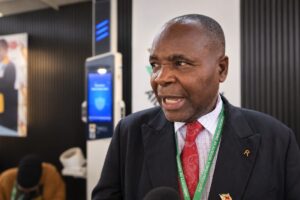
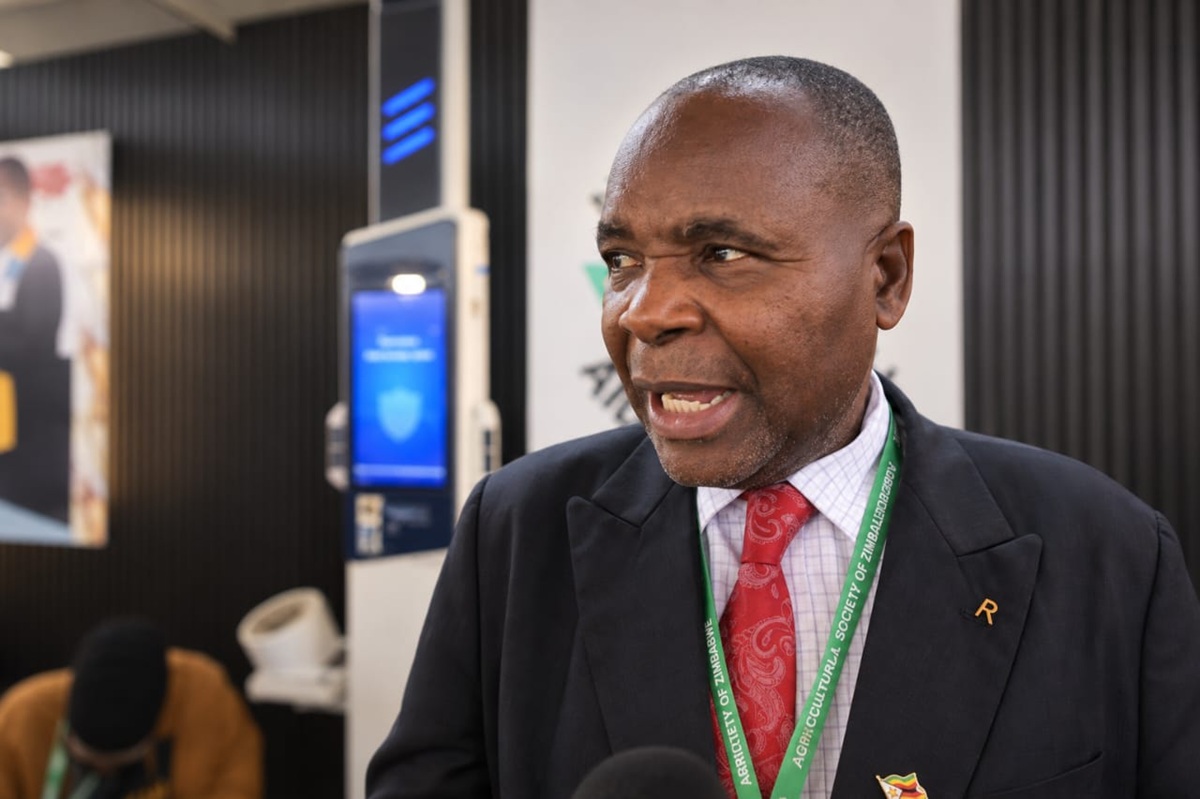
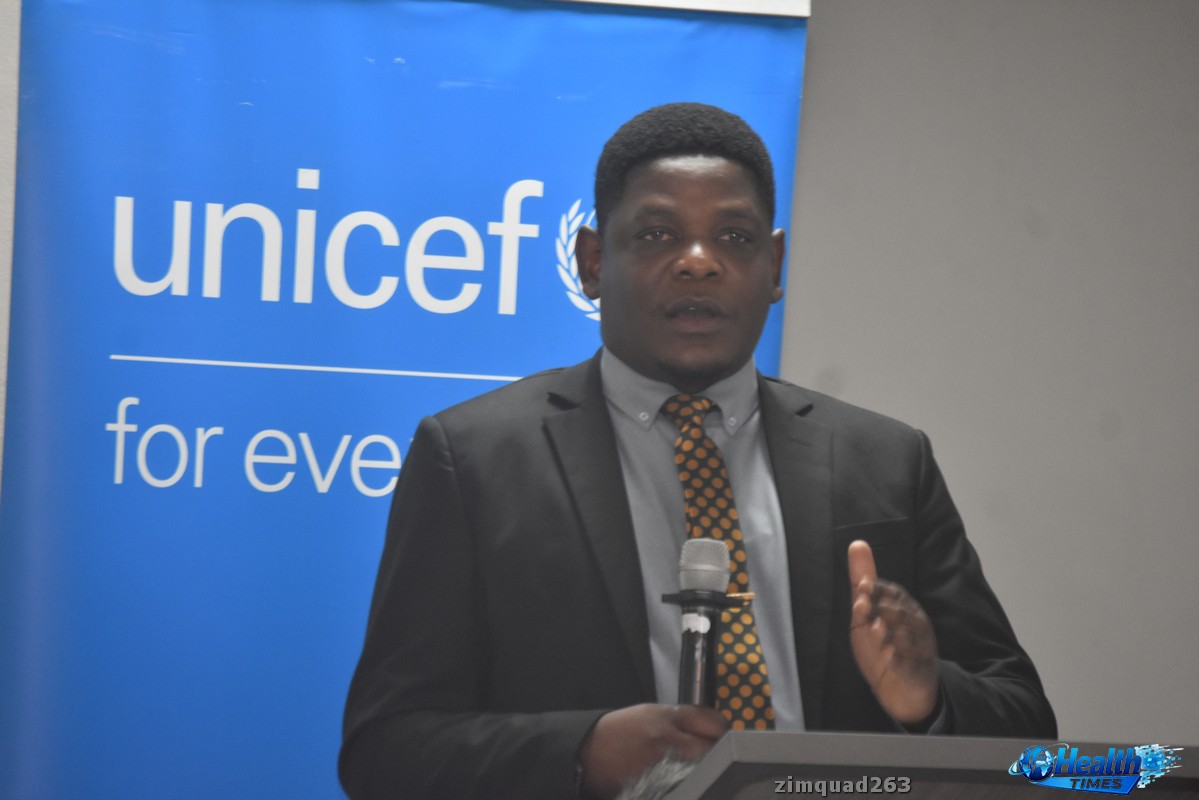
Speaking to HealthTimes, Harare City Health Deputy Director Dr Michael Vere urged residents to remain vigilant while avoiding unnecessary panic, noting that no cases had been detected in the capital.
“At present, cases remain confined to Rushinga. No cases have been reported outside the identified epicentre. Based on current information, the number of confirmed cases stands at six,” said Dr Vere.
Africa CDC has indicated that the situation requires close monitoring due to the limited number of cases recorded so far. Cholera is a waterborne disease that can be prevented through access to safe water, proper sanitation, and timely medical care.
Zimbabwe has experienced recurring cholera outbreaks over the past 18 years, with the most severe occurring in 2008. Official records show that approximately 98,600 cases and more than 4,300 deaths were reported by the end of that epidemic.
More recently, during the 2023–2024 period, suspected cholera cases were reported across all provinces. By mid-2024, health authorities had recorded approximately 34,000 suspected cases and more than 700 deaths, representing a case fatality rate of about 2.1 percent, according to Ministry of Health data.
In response to rising cholera cases globally, preventive vaccination campaigns have resumed in several countries. The World Health Organisation (WHO) announced that Mozambique became the first country to restart preventive cholera vaccination following a suspension in 2022 caused by increased global demand and limited oral cholera vaccine supplies.
An initial allocation of 20 million doses has been made available for preventive campaigns. Of these, 3.6 million doses have been delivered to Mozambique, 6.1 million to the Democratic Republic of Congo, and 10.3 million doses earmarked for delivery to Bangladesh.