
By Michael Gwarisa
Fiji has moved from describing HIV as an outbreak initially concentrated among people who inject drugs to declaring a national HIV emergency, as new data show the epidemic spreading beyond the population at the centre of the country’s initial response.
The change marks a significant development in an HIV epidemic that has expanded rapidly in a country of fewer than one million people.
On Wednesday, the Fijian government declared a national HIV emergency after estimating that about one in 60 adults is now living with HIV, while prevalence among pregnant women has reached about one in 50.
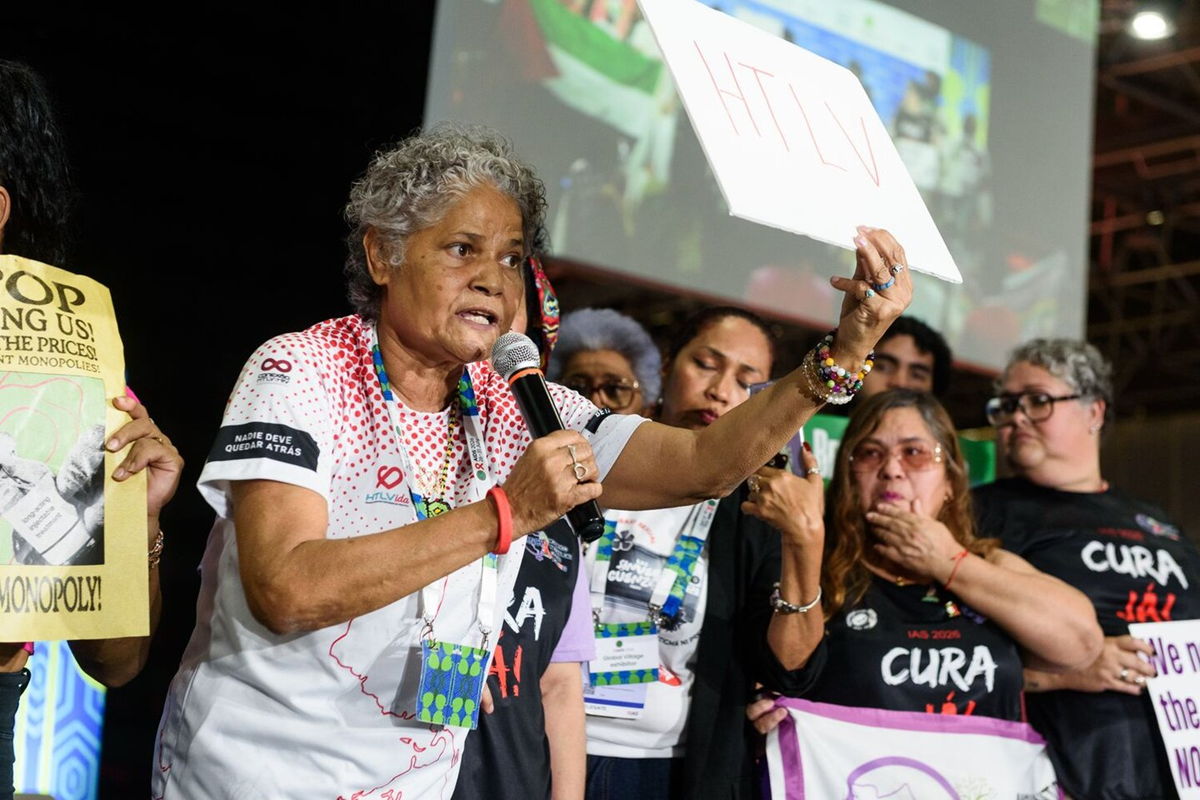
The emergency declaration comes just weeks after Fiji’s HIV response was discussed at the International AIDS Conference in Rio de Janeiro, where officials described injecting drug use, particularly the sharing of equipment among people using crystal methamphetamine, as a major driver of the outbreak.
At the time, Dr Jason Mitchell, chair of Fiji’s National HIV Outbreak Cluster Response Task Force, said the outbreak had initially been confined to people who inject drugs.
“The epidemic is now spilling over into every other population group in the country,” Mitchell told journalists at AIDS 2026.
That assessment now carries greater significance against the latest data.
From a concentrated outbreak to wider transmission
Fiji’s HIV epidemic had historically remained relatively small. But diagnoses have increased dramatically over the past decade. Dr Jalal Mohammed, a Senior Lecturer at the University of Canterbury and Adjunct Professor at the University of Fiji, said HIV diagnoses had increased by roughly 3,000% since 2010 and 1,400% since 2022.
He described Fiji as moving into a “generalised epidemic phase”, meaning HIV transmission is no longer primarily concentrated within a defined population at particularly high risk. The latest estimates put overall HIV prevalence at about 1%, rising to 1.6% among people aged 15 to 49, according to Mohammed. He cautioned that the true level could be higher because some people living with HIV remain undiagnosed.
The change is particularly important because it means the response can no longer focus only on disrupting transmission associated with injecting drug use. Fiji must now contend with sexual transmission, infections among women, adolescent infections and mother-to-child transmission at the same time.
“This is a welcome step, but it requires the resources to support the national strategy, mechanisms, and infrastructure that will allow Fiji to reduce infection rates,” Mohammed said.
The warning signs were already visible in Rio
The AIDS 2026 briefing provided a picture of an epidemic moving rapidly through the population. Mitchell said UNAIDS estimated HIV prevalence among 15 to 49-year-olds at about 1.2%, equivalent to roughly one in 60 adults. More concerning was the situation among pregnant women. Mitchell said HIV prevalence in Fiji’s antenatal population had exceeded 2%.
In 2025, he said, 56 children were born with HIV, equivalent to roughly one child every week, while 16 children died from HIV-related causes, or about one every month. The figures point to one of the most serious consequences of the epidemic’s expansion: HIV is no longer only being acquired by adults engaged in behaviours associated with the initial outbreak. It is increasingly affecting families and children.
Mohammed similarly highlighted rising sexual transmission and mother-to-child transmission as evidence that the epidemic is changing.
Why injecting drug use remains important
The shift away from a concentrated outbreak does not mean injecting drug use has stopped driving transmission.
Fiji has experienced a sharp rise in crystal methamphetamine use. According to Mitchell, people who inject the drug sometimes share needles and syringes, creating an efficient route for HIV transmission.
He also described a broader social context in which sharing is deeply embedded in communal life, although such cultural practices should not be interpreted as a cause of HIV transmission in themselves.
A shortage of sterile injecting equipment has compounded the risk.
Mark Shaheel Lal, founder of Living Positive Fiji and one of the few people in the country to publicly disclose his HIV status, said a needle and syringe programme was urgently needed. He also raised concerns about interruptions in access to antiretroviral medicines and limited public awareness of HIV treatment.
These gaps matter because HIV prevention and treatment are closely connected. People who know their status can access antiretroviral therapy, which protects their health and, when viral suppression is achieved and maintained, prevents sexual transmission of HIV.
The impact is increasingly visible among women and children
One of the clearest indications that Fiji’s epidemic is changing is the growing impact on women and children.
At the Rio conference, Mitchell said men initially outnumbered women among people diagnosed with HIV by more than two to one, but infections among women were increasing.
He also reported a 45% increase in HIV infections among children aged 10 to 19.
The latest government estimate that one in 50 pregnant women is living with HIV adds another layer of urgency.
Mother-to-child transmission is preventable when pregnant women living with HIV are diagnosed early and receive effective treatment and appropriate care. The presence of new paediatric infections therefore points not simply to ongoing transmission, but also to gaps in testing, treatment access, retention in care and prevention of vertical transmission.
What the emergency declaration changes
Fiji’s national emergency declaration is significant because it elevates HIV from a health programme requiring targeted interventions to a crisis requiring a broader government response. The declaration was made under Section 69 of Fiji’s Public Health Act 1935, the same provision last used during the COVID-19 pandemic, according to Mohammed. A five-minister Cabinet subcommittee has also been established to remove barriers to rapid action.
The intention is to bring together government agencies, communities, faith-based organisations and other parts of society rather than leaving the response solely to the health sector. That wider approach will be important because the drivers of Fiji’s epidemic extend beyond clinical care.
Drug use, access to sterile injecting equipment, stigma, HIV testing, treatment availability, sexual health services and prevention of mother-to-child transmission all intersect.
A rapidly changing epidemic
Fiji’s experience offers a reminder of how quickly an HIV outbreak can change character. At AIDS 2026, the country’s response was still being discussed largely through the lens of an outbreak driven by injecting drug use. By September, the government’s own estimates point to a much broader epidemic, with substantial prevalence among the general adult population and pregnant women.
Mohammed warned that if the current trajectory continues, overall HIV prevalence could reach 4% to 5% by 2031. With a stronger response, he estimated it could instead remain between 2% and 3%. Those are projections, not inevitable outcomes. But they illustrate the stakes of the emergency declaration.
Fiji is now confronting an HIV epidemic that has moved beyond the boundaries of the population where it was first identified. The challenge is no longer simply to contain transmission among people who inject drugs. It is to prevent further expansion across the wider population while ensuring that people already living with HIV are diagnosed, treated and retained in care.
The speed of the change means the country’s next phase of response will need to move just as quickly.