
By Michael Gwarisa
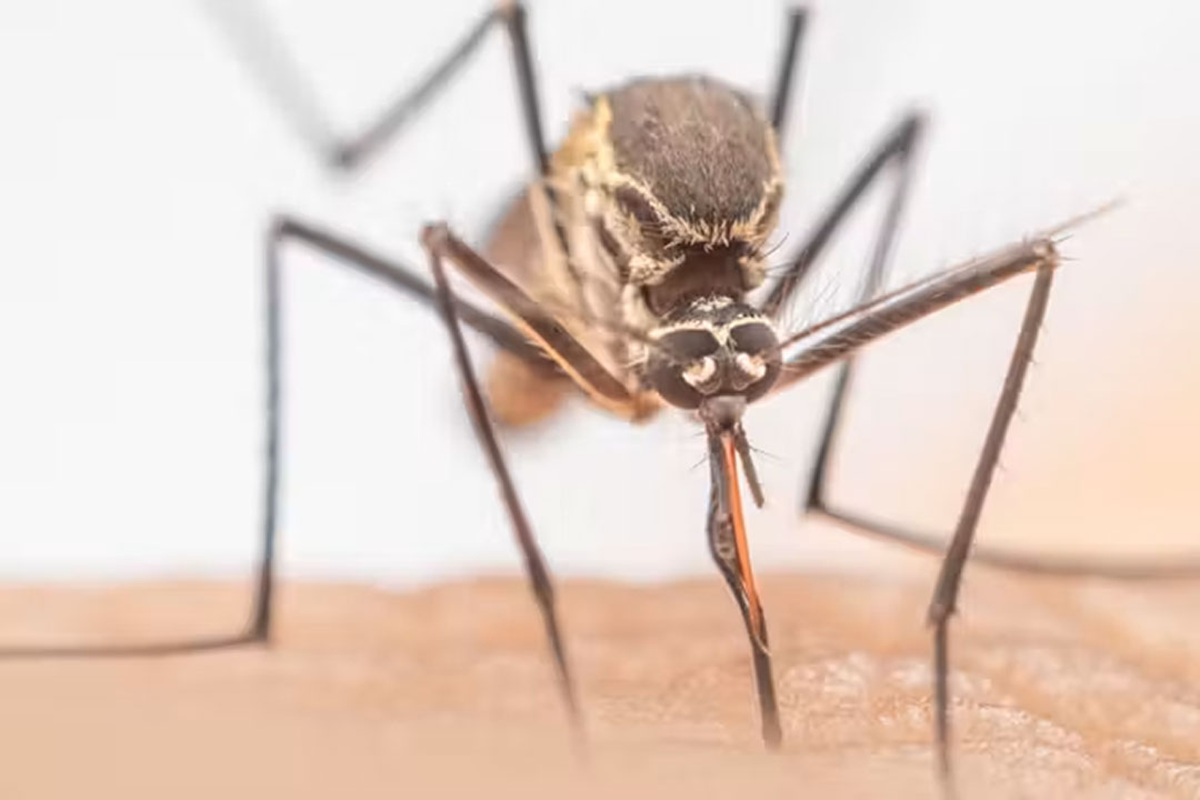
A mosquito capable of transmitting Zika, dengue and chikungunya has bred in residential areas of east London for the first time, raising fresh concerns about how rising temperatures could change the spread of mosquito-borne diseases.
The discovery of Aedes aegypti, commonly known as the yellow fever mosquito, does not mean that Zika or dengue is currently spreading among people in London. British health authorities say the immediate risk to the public remains very low and there is no evidence that the mosquitoes have caused human infections.
But public health experts are paying attention because the mosquito has not merely been detected in Britain. It has reproduced.
The UK Health Security Agency (UKHSA) confirmed that Aedes aegypti mosquitoes and larvae were found at residential properties in east London. While the species has been detected in Britain on previous occasions, this is the first recorded instance of it breeding in the country.
The distinction is important.
For a mosquito-borne disease to become established locally, several events would need to occur. The mosquito must first arrive, survive and reproduce. It would then need to bite a person carrying a virus acquired abroad, become infected itself and survive long enough for the virus to multiply before transmitting it to another person.
There is currently no evidence that this chain of transmission has occurred in Britain.
However, the London discovery provides a glimpse of a potential future public health challenge as temperatures rise.
Aedes aegypti is particularly adapted to living alongside humans. It commonly rests inside buildings, prefers feeding on humans and can breed in small amounts of standing water found in containers such as plant pots, water tanks and discarded tyres.
The mosquito is already established in parts of Europe, including Cyprus and Madeira, and warmer conditions across the continent have increasingly created environments favourable to invasive Aedes mosquitoes.
In Britain, cold winters have traditionally been an important barrier to the mosquito becoming established. UKHSA says the species is currently unable to survive long-term in the country’s typical climate.
But that barrier could weaken as temperatures increase.
The east London breeding was detected following recent heatwaves, suggesting that unusually warm conditions can allow the mosquitoes to reproduce even in a country where the species has not yet become established.
UKHSA expects a warming climate to result in more incursions and more reports of invasive mosquitoes surviving in Britain.
Climate change does not necessarily explain how the mosquitoes arrived in London. Authorities believe invasive mosquitoes are more likely to enter countries accidentally by hitchhiking in vehicles, luggage, imported plants and other goods.
The bigger concern is what happens after they arrive.
Temperature influences whether mosquitoes can reproduce and survive, as well as how efficiently viruses can multiply inside them. Longer periods of warm weather could therefore give invasive mosquito species more opportunities to survive and potentially establish populations.
For countries already accustomed to mosquito-borne diseases, the development is a reminder that climate change can alter the geographical boundaries of disease risk.
The London case also highlights the importance of surveillance.
The mosquitoes were detected through Britain’s Mosquito Watch scheme, allowing authorities to respond by destroying larvae and increasing trapping and monitoring around the affected area.
Residents have also been encouraged to remove standing water from containers around their homes, reducing potential breeding sites.
For now, the message from British health authorities is one of caution rather than alarm. The presence of Aedes aegypti does not mean that Zika, dengue or chikungunya is circulating in London.
But its ability to reproduce during a period of unusually warm weather is significant.
The discovery shows that the first stages of a potential disease threat can begin long before the disease itself appears.
As Britain becomes warmer, authorities expect further incursions of invasive mosquitoes. The challenge will be detecting them early enough, controlling breeding sites and preventing temporary introductions from developing into established populations.
For public health systems around the world, the lesson is increasingly clear: monitoring mosquitoes may become just as important as monitoring the diseases they carry.