
By Michael Gwarisa
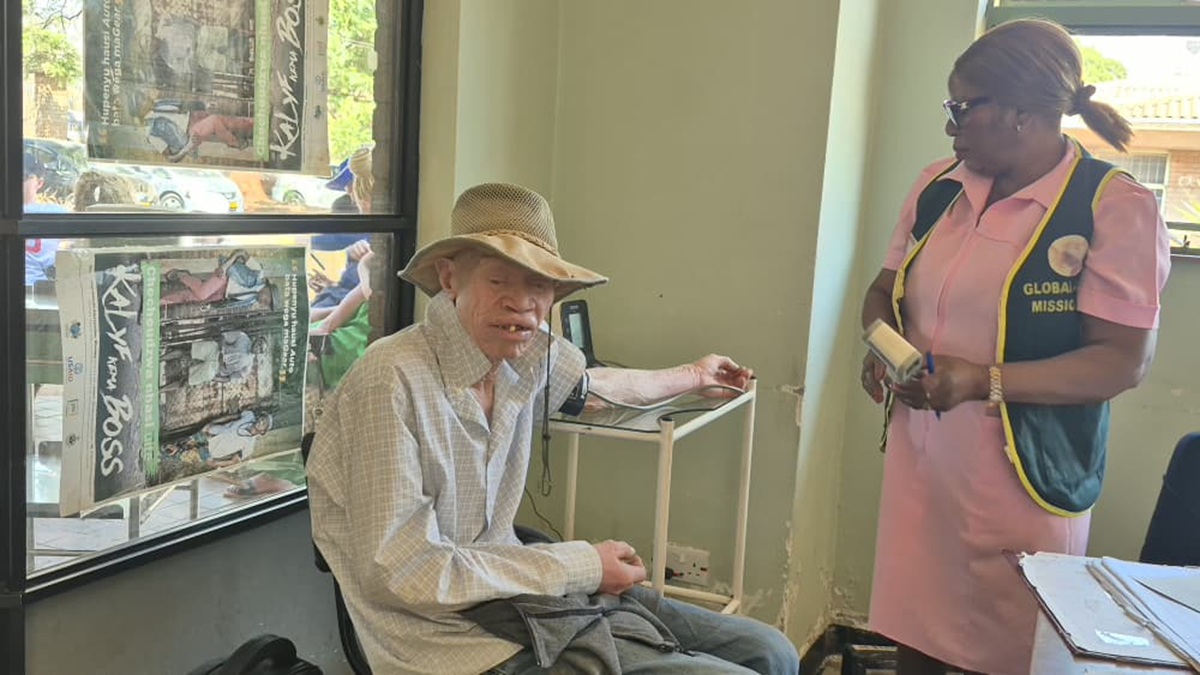
Global Aid Missions Zimbabwe has launched a skin cancer prevention campaign targeting persons with albinism, offering free screening and cryotherapy treatment as part of efforts to detect and manage potentially cancerous skin lesions before they become severe.
The faith-based humanitarian organisation, which advocates for the health and welfare of people with albinism, says the programme will provide ongoing access to screening through its clinic, supported by trained health professionals.
People with albinism are particularly vulnerable to skin damage because their bodies produce little or no melanin, the pigment that helps protect the skin from ultraviolet radiation. Prolonged exposure to sunlight can result in repeated sunburn, skin damage and an increased risk of skin cancer.
In Zimbabwe, the need for preventive care is compounded by economic barriers that can make sunscreen, protective clothing, specialist consultations and treatment difficult to afford. CMMB has previously estimated that about 70,000 people live with albinism in Zimbabwe and highlighted the disproportionate health risks they face from ultraviolet radiation and limited access to preventive care.
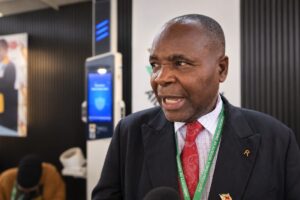
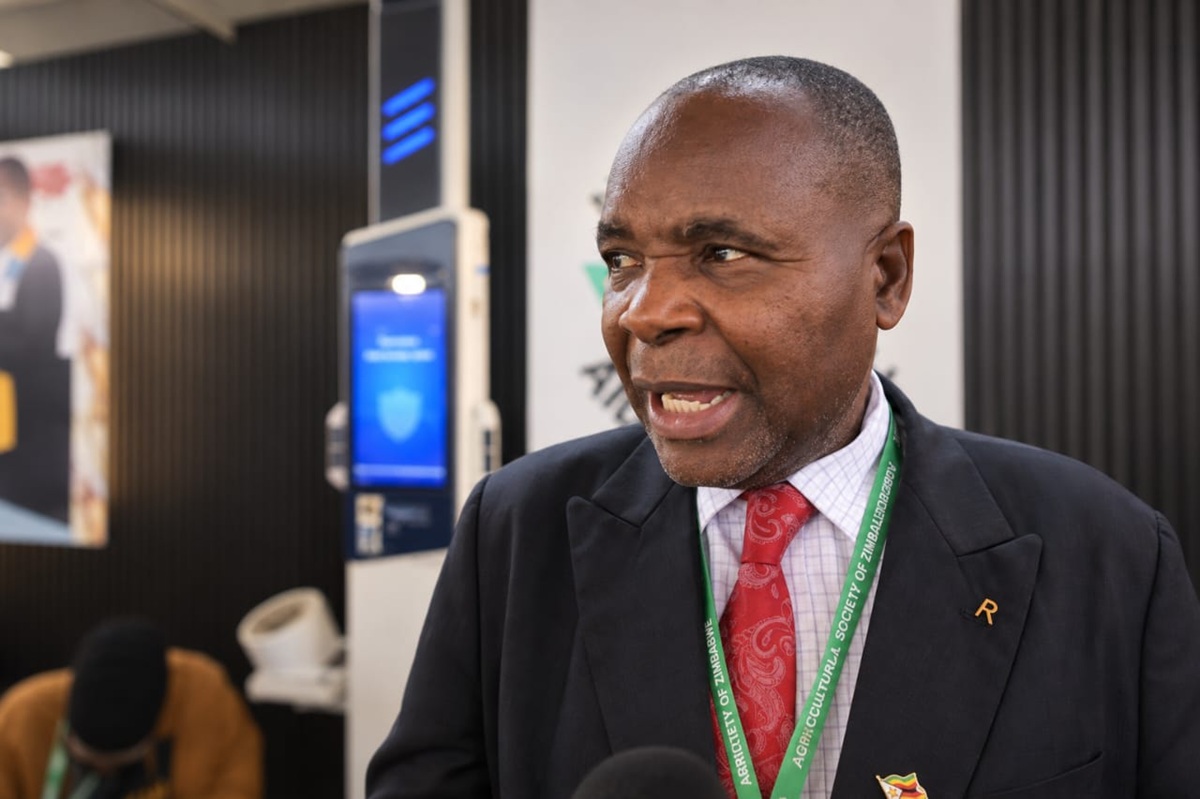
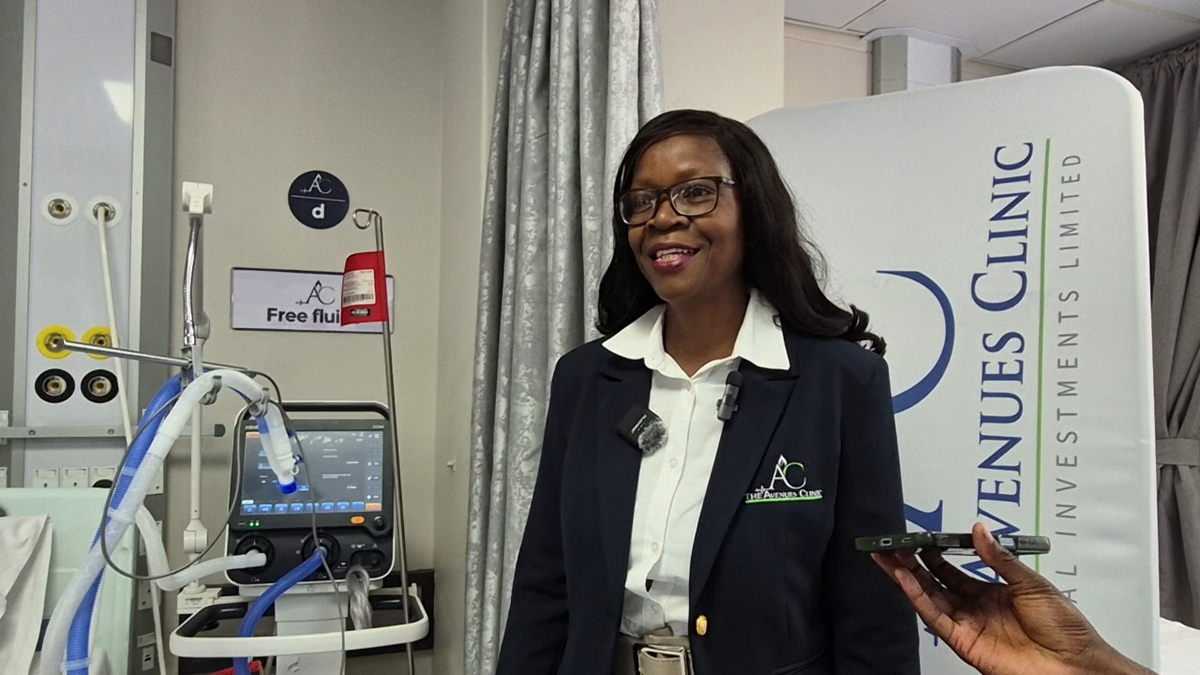
Esther Chasi, founder of Global Aid Missions, said the campaign was designed to address skin health among people with albinism through early detection and treatment.
“Persons living with albinism are more prone to skin cancer,” Chasi told HealthTimes. “This programme is about prevention, and we are administering cryotherapy to reduce the risk of skin cancer.”
Cryotherapy uses extreme cold, commonly through liquid nitrogen, to destroy abnormal or precancerous skin tissue. Chassi said early intervention could help prevent lesions from progressing to more advanced disease requiring more extensive treatment.
The programme is intended to run continuously through Global Aid Missions’ clinic, where people with albinism can access health services free of charge.
“We are hoping to run it on a continuous basis,” Chasi said, adding that the organisation would work with local doctors and nurses trained to provide cryotherapy.
She encouraged parents and caregivers to bring children with albinism for regular screening, particularly those who spend considerable time outdoors.
“Children are also receiving services, if we can catch it early, the better,” she said. “They can come for screening and a health check to make sure they are healthy and can live a long life.”
The campaign is not limited to skin cancer screening. According to Chasi, the outreach also includes eye care, psychosocial support and general health checks.
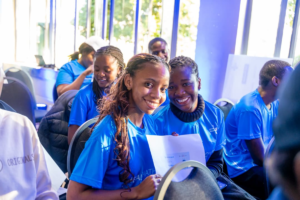
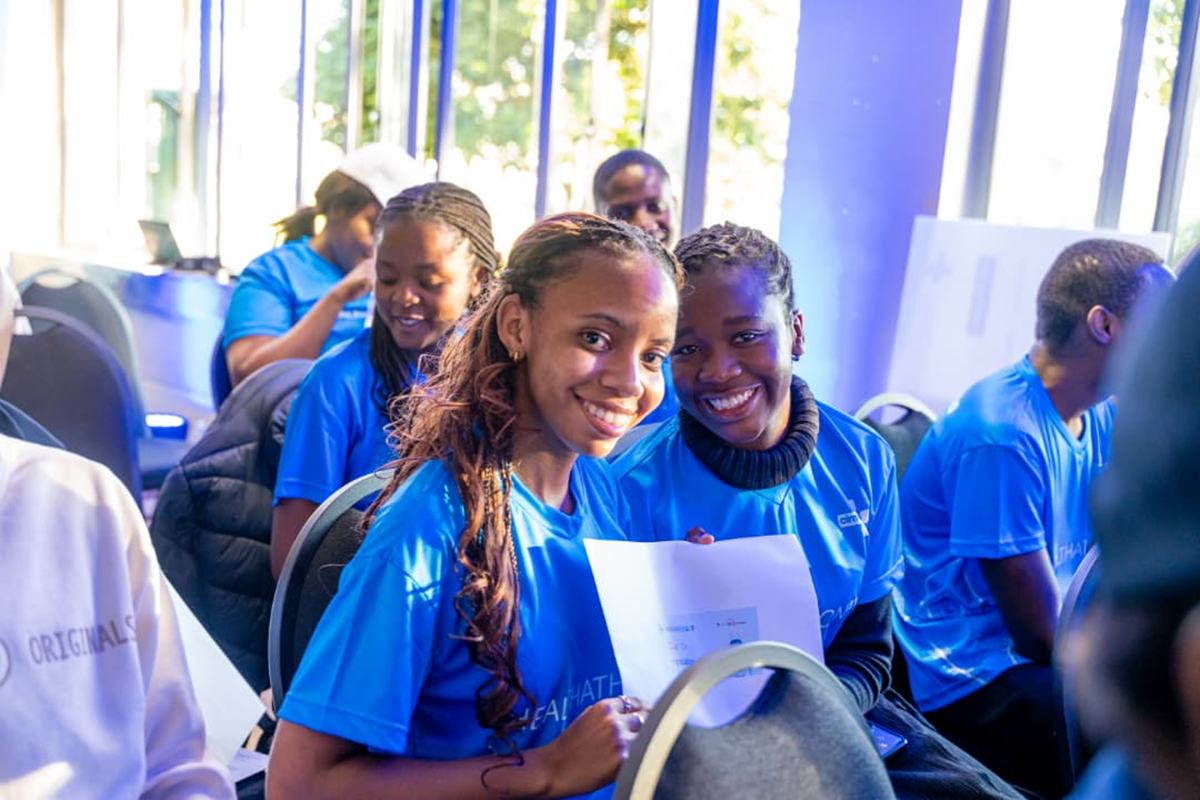
At the launch, organisers had registered nearly 100 participants, with medical doctors and student doctors assisting with the flow of patients.
Chasi said the programme was open to people with albinism of all ages, from babies to adults, with particular attention being given to school-going children who may spend long periods outdoors.
The campaign also includes preventive support against sun exposure. Global Aid Missions has partnered with The Eye Room to provide free sunglasses to participants who require them. For beneficiaries, the intervention could help address one of the major barriers to early treatment: cost.
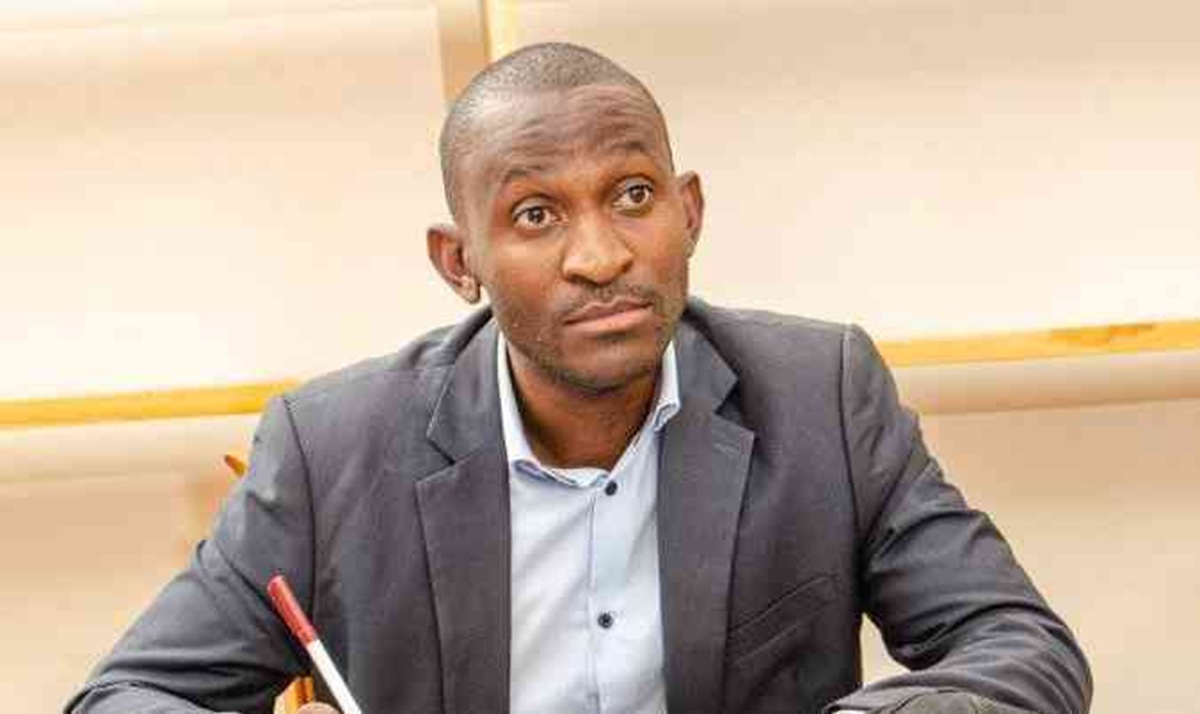
Josam Kuvandi, one of the beneficiaries, said the expense associated with cryotherapy meant some people with albinism delayed treatment until their skin cancers had become severe.
“Most people from our community end up developing severe and aggressive cancer simply because they cannot afford cryotherapy,” Kuvandi said.
He welcomed the intervention by Global Aid Missions, saying free access to screening and treatment could make an important difference for people who might otherwise postpone seeking care.
The organisation says regular screening remains important because the appearance of a skin lesion does not necessarily mean it is cancerous. Health professionals can assess suspicious areas and determine whether treatment, further investigation or continued monitoring is required.
The campaign therefore places emphasis on early detection rather than waiting for advanced disease to develop. The risk of skin cancer among people with albinism is closely linked to ultraviolet radiation. With little melanin to absorb and reduce the damaging effects of ultraviolet light, people with albinism require consistent protection from the sun, including shade, protective clothing, hats, sunglasses and appropriate sunscreen.
For those who develop precancerous or suitable superficial lesions, cryotherapy can be one of the treatment options used by trained health professionals. It is not, however, a universal treatment for every form or stage of skin cancer, making professional assessment essential.
Chasi said Global Aid Missions hoped the programme would encourage more people with albinism to make screening part of their routine healthcare.
“We encourage periodic checks,” she said. “When you come to the clinic, the health professionals will be able to tell you when to come for your next check-up.”
For Global Aid Missions, the campaign represents an attempt to shift the response to skin cancer among people with albinism towards prevention, early detection and affordable access to care.