
By Kuda Pembere
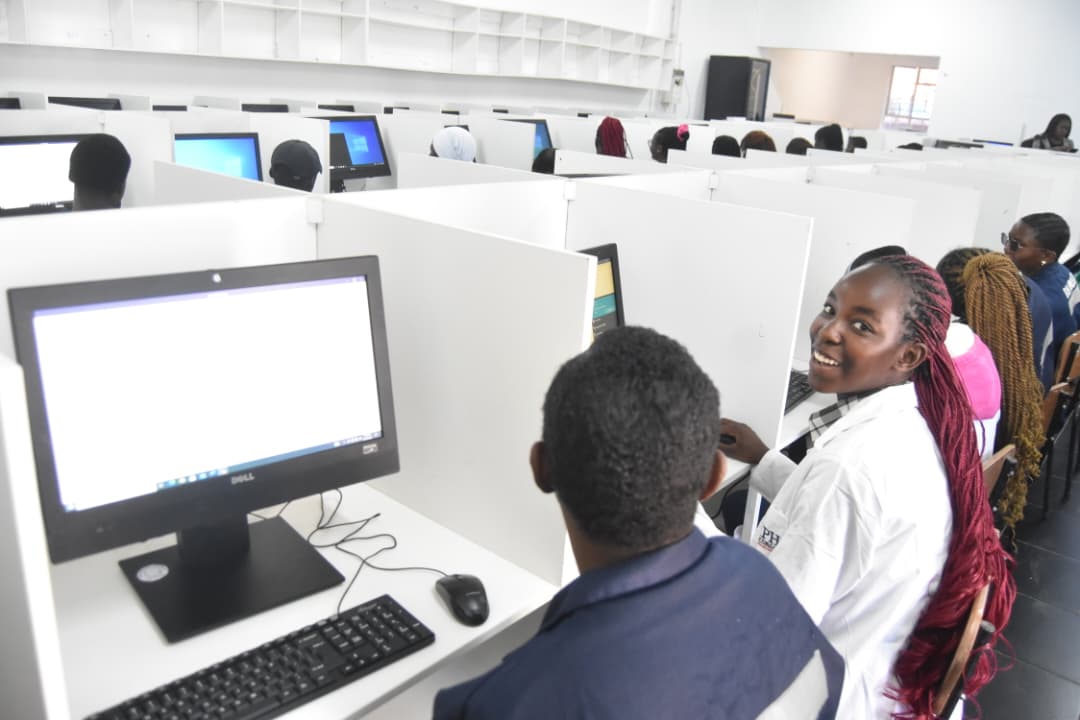
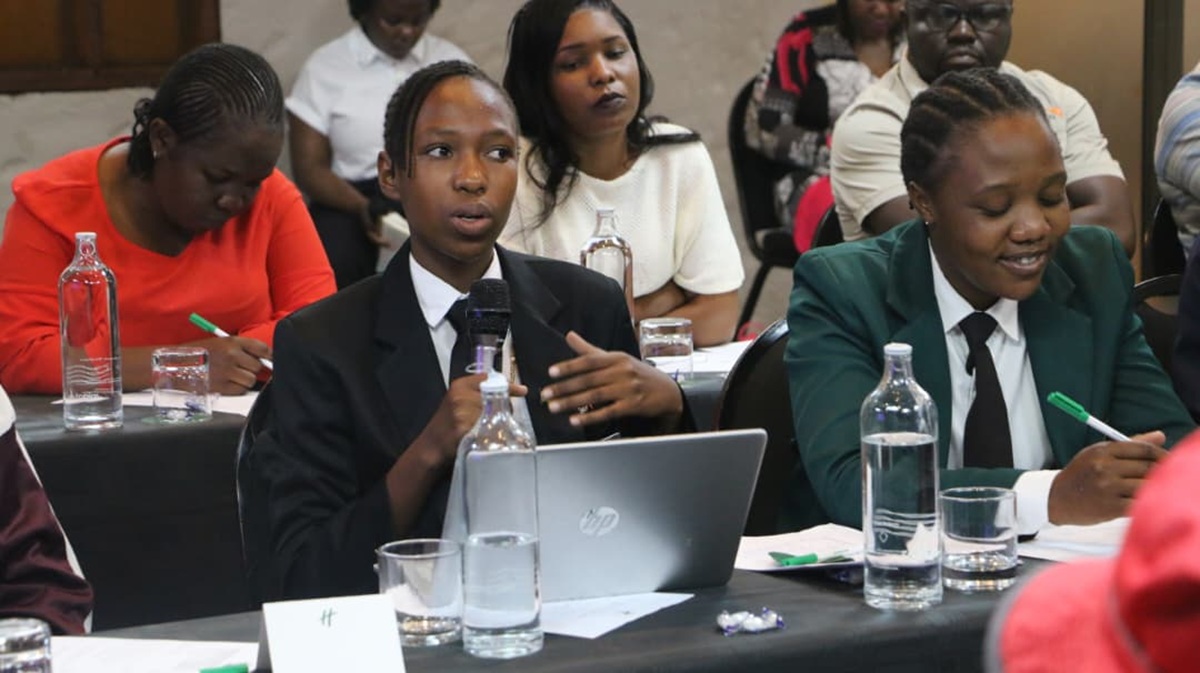
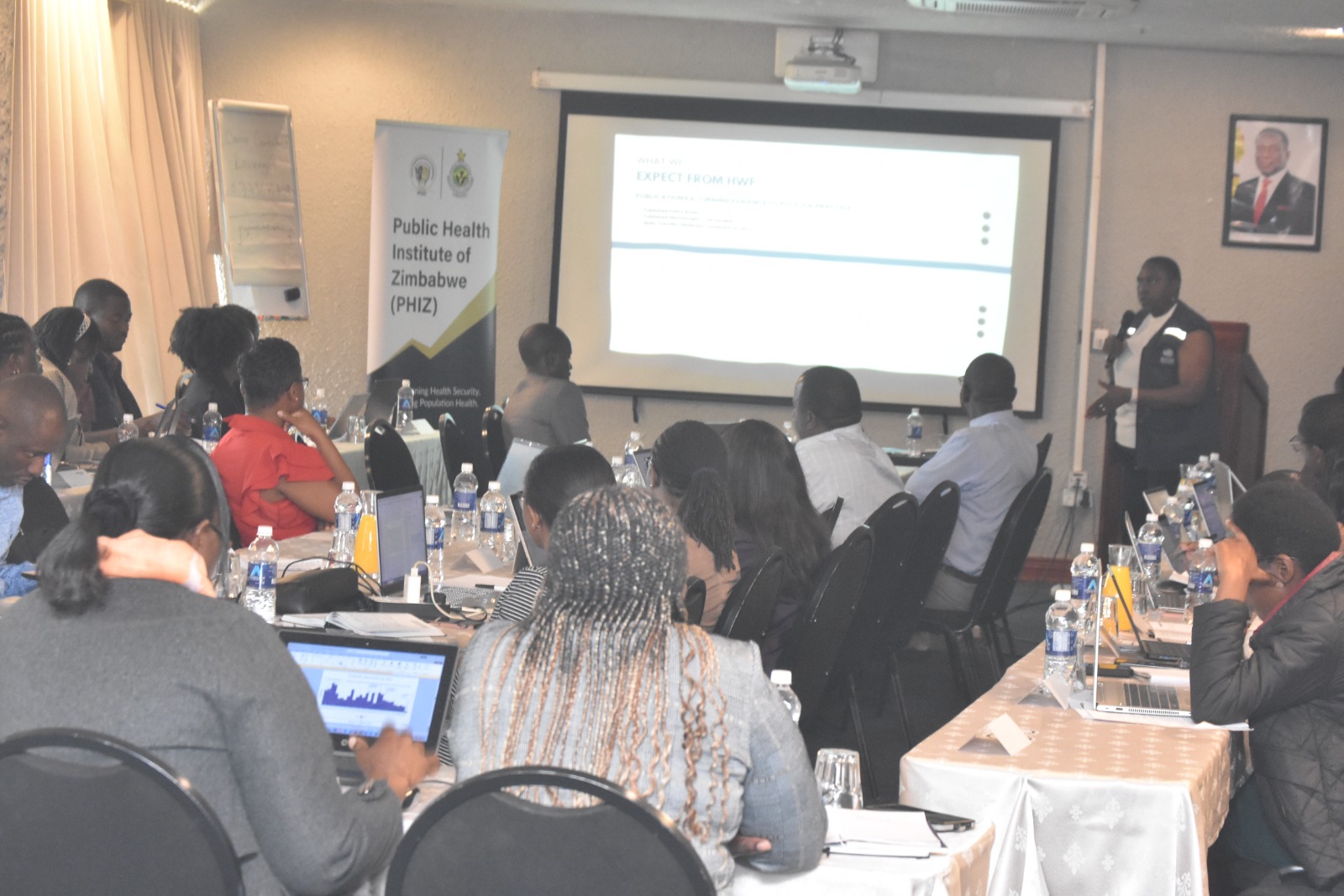
The Public Health Institute of Zimbabwe (PHIZ) has intensified efforts to bridge the research-policy gap by training 40 University of Zimbabwe students to translate public health research into evidence that can influence policy and practice.
The week-long training is being conducted under PHIZ’s health workforce capacity strengthening programme, with technical support from the World Health Organization (WHO) and funding from the European Union (EU).
The students are pursuing various public health disciplines, including field epidemiology, health economics, biostatistics and health promotion.
Admore Chadambuka, assistant field coordinator for the Master of Public Health programme, said the training was designed to ensure research findings did not remain confined to academic journals but reached policymakers and others who could act on them.
“We are here to train our cohort of master students. We are doing a variety of health courses from field epidemiology, health economics, biostatistics and health promotion,” Chadambuka said.
“What we are basically training them is how to translate their research outwards. They go out in the field, they do some research, we should then inform. We don’t just do research to put it on a shelf.”
Chadambuka said researchers needed to look beyond conducting studies and publishing their findings by learning how to communicate evidence in a way that could influence decisions.
“So when they do their research they have to translate it into a format that people can then consume. So we are translating what they found in their research into a manuscript. A manuscript is what we find in the scientific journals,” he said.
The training is also covering how research findings can be packaged for different audiences, including policymakers, technical experts and the general public.
“They are also learning how to translate what they found. When you go out and you want to communicate the information and you have done your research, you want to communicate the key findings. What were the key findings? What are their implications? We want to inform policymakers that this is what we found out,” Chadambuka said.
He said well-packaged research could influence both policy decisions and the implementation of public health programmes.
“It’s something that can change policy. It’s something that can change how we are implementing programmes in the field. So basically that’s what we are training them to do,” he said.
As part of the programme, the students are working on research they have already conducted and turning it into manuscripts and policy briefs.
“So each of the residents, each of the students, has a research that they have done. And they are working on that so that they can translate it into a manuscript or a policy brief,” Chadambuka said.
He said the format used to communicate research should depend on the intended audience.
“Some are going on to even, because of the difference in audiences, we have different audiences.
“If I want to talk to the general public, maybe I can give an opinion or an editorial. Just short, brief, and then it’s in the language that the common man in the street can understand. As opposed to a policy brief, it’s to people who are technical, who understand issues,” he said.
Chadambuka said the training was also aimed at addressing the limited uptake of research findings in public health policy and practice.
“In the real world, only 20% of what people research on gets to change policy, gets to change practice. I think one weakness that’s there is because people are not able to translate whatever they have researched on, whatever they’ve found in the field, into some… or package it so that it gets to the people who matter, who can make the change,” he said.
He said equipping researchers with the skills to package and communicate evidence could improve the chances of their findings influencing policy and programming.
“So when we train these people and they have the skill, they are now able to continue to use the skill to develop policy briefs. Once they do something that can influence policy, that can influence programming, or that can help other people elsewhere in the public health field, they know how to package it so that it gets to the people who can act and bring a change.
“So I think the impact is lasting,” Chadambuka said.
He likened the training to teaching people a skill they could continue using throughout their careers.
“Because once I have the skill, if I am able to drive, I’ll keep driving. So we are training drivers,” he said.
The training comes as PHIZ continues to strengthen its health workforce development and knowledge-sharing initiatives.
It follows the conclusion of a five-day peer-to-peer mission to Sweden, where PHIZ visited the Swedish eHealth Agency and gained insights into data governance, data security and the accessibility and use of health data.
A similar peer-to-peer mission was conducted in Zambia last year, providing an opportunity for Zimbabwean health professionals to exchange experiences and learn from developments in the country’s health sector.