
By Michael Gwarisa
Zimbabwe is taking its fight against teenage pregnancy, child marriage and gender-based violence beyond villages and traditional leadership structures, with Parliament now being drawn into a growing national campaign aimed at changing how communities respond to the crisis.
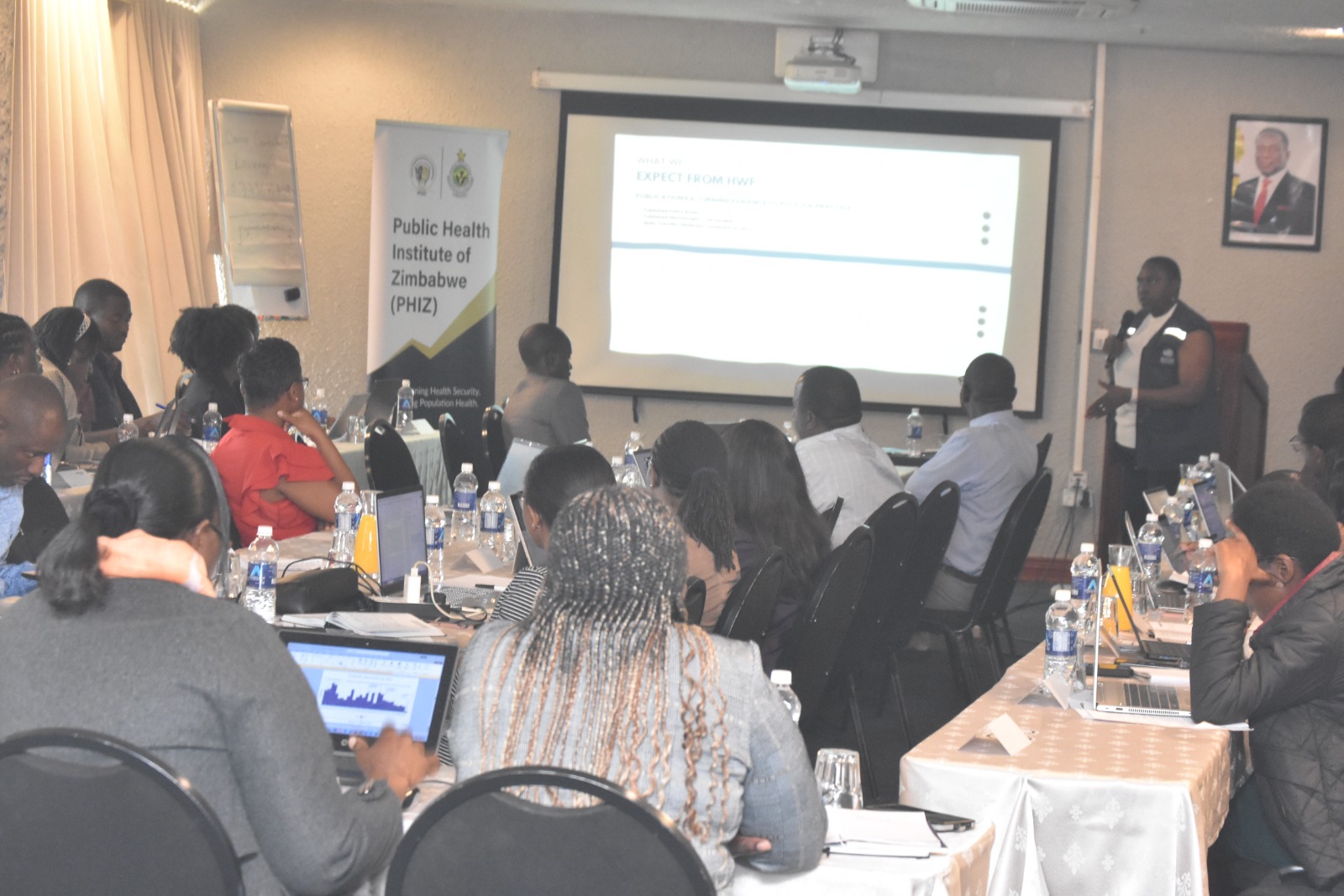
Acting Deputy Clerk of Parliament Lucia Nyawo said Members of Parliament have a critical role to play because they encounter teenage pregnancies, child marriages and gender-based violence in their constituencies, while also having the power to influence laws, policies and national budgets.
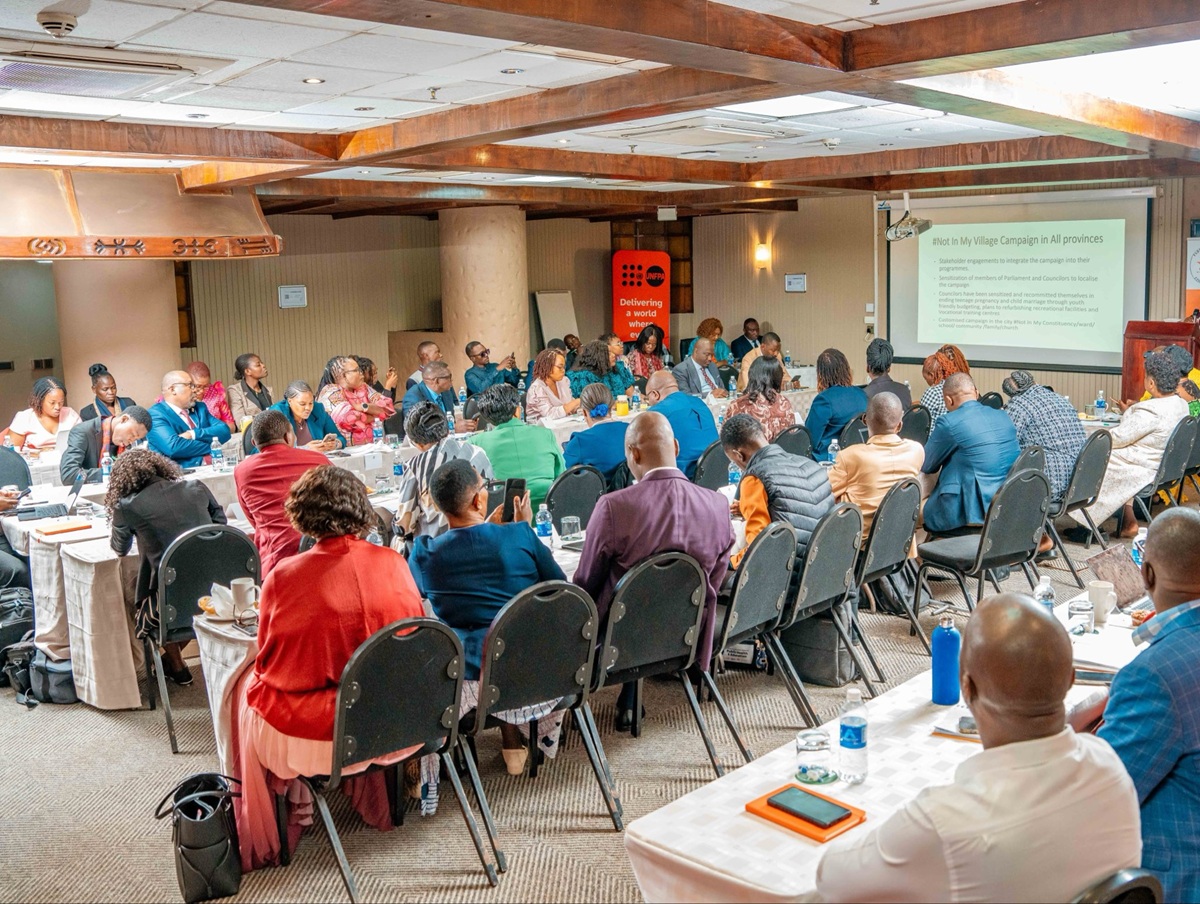
“You are expected to make laws, you are also expected to represent those people, you are also expected to pass budgets,” Nyawo said during a parliamentary engagement on the Not In My Village campaign.
Her remarks came as Parliament and development partners began discussions on creating a parliamentary version of the campaign, to be known as Not In My Constituency, potentially extending the grassroots movement into Zimbabwe’s political and legislative structures.
Nyawo said the timing was particularly important as Parliament prepares to engage communities on priorities for the 2027 national budget.
“This meeting is coming at a very important time, where we are going into budget season,” she said, stressing that Parliament’s role extended beyond law-making to ensuring communities’ concerns were reflected in national priorities.
The proposed expansion marks a significant shift for a campaign that began at community level and has increasingly attracted the support of traditional leaders, government ministries and development partners.
UNFPA Zimbabwe representative Miranda Tabifor said the campaign had grown from an innovative idea developed with young people into a broader movement capable of influencing communities and institutions.
“For us to address issues of teenage pregnancies, issues of gender-based violence, drug and substance abuse, HIV, name it, we need money,” Tabifor told parliamentarians.
Her comments placed financing at the centre of the campaign’s next phase, particularly as Zimbabwe prepares to confront persistent adolescent health and social challenges.
The Not In My Village campaign was initially developed with young people and supported by UNFPA, the National AIDS Council (NAC), the Zimbabwe National Family Planning Council and other stakeholders. It was launched in 2024 after Zimbabwe’s initiative won a UNFPA global innovation challenge.
The campaign has since moved beyond its initial pilot areas, with traditional leaders being positioned as champions against child marriage and teenage pregnancy.
According to NAC’s Beauty Nyamwanza, the campaign has also benefited from growing domestic investment, with NAC now supporting its expansion across provinces.
“When UNFPA had done very well, National AIDS Council realised that UNFPA had done very well. And now National AIDS Council is supporting all the provinces in the country in the campaign,” Nyamwanza said.
The increased NAC involvement is significant as Zimbabwe seeks to sustain HIV and adolescent health interventions amid changing donor financing. The campaign’s expansion therefore represents not only a wider geographic footprint, but also a shift towards stronger domestic ownership.
Nyamwanza said the campaign had initially been piloted in eight districts in Mashonaland Central before expanding to districts in Matabeleland South, Mashonaland East, Mashonaland West and Manicaland.
The campaign has since evolved into several locally adapted versions: Not In My Constituency for parliamentarians, Not In My Ward for councillors, Not In My School for learners, and similar approaches for churches, families and wider communities.
This localisation is central to the campaign’s strategy.
Rather than treating teenage pregnancy and child marriage solely as health problems, the initiative seeks to make them community accountability issues, placing responsibility on leaders and institutions closest to affected families.
Nyamwanza said traditional leaders had increasingly moved from being passive observers to vocal advocates against harmful practices.
The campaign has also introduced practical measures in some communities, including age verification for marriages, reporting of teenage pregnancies involving girls under 18, interventions against forced marriages and efforts to improve adolescent girls’ access to maternal health services.
The scale of the problem makes the expansion urgent.
Nyamwanza said nearly one in four girls aged 15 to 19 in Zimbabwe was already a mother or pregnant, up sharply from 9 percent in 2016. She also cited high levels of child marriage, particularly in rural communities.
UNFPA estimates that 23.7 percent of adolescent girls aged 15 to 19 in Zimbabwe have begun childbearing.
For Parliament, the proposed Not In My Constituency campaign could therefore become an important bridge between national policy and the realities confronting communities.
Nyawo said the parliamentary engagement should result in policy and legislative recommendations capable of addressing the problems affecting young people.
For a campaign that began with a simple community declaration, “Not In My Village,” the message is now becoming much bigger: Not In My Constituency, Not In My Ward, Not In My School and ultimately, Not In My Country.