

By Michael Gwarisa
The Democratic Republic of Congo’s response to the escalating Bundibugyo virus disease outbreak is facing a major surveillance gap, with Africa CDC estimating that current contact follow-up covers only about 27 percent of the contacts expected from the number of confirmed cases.
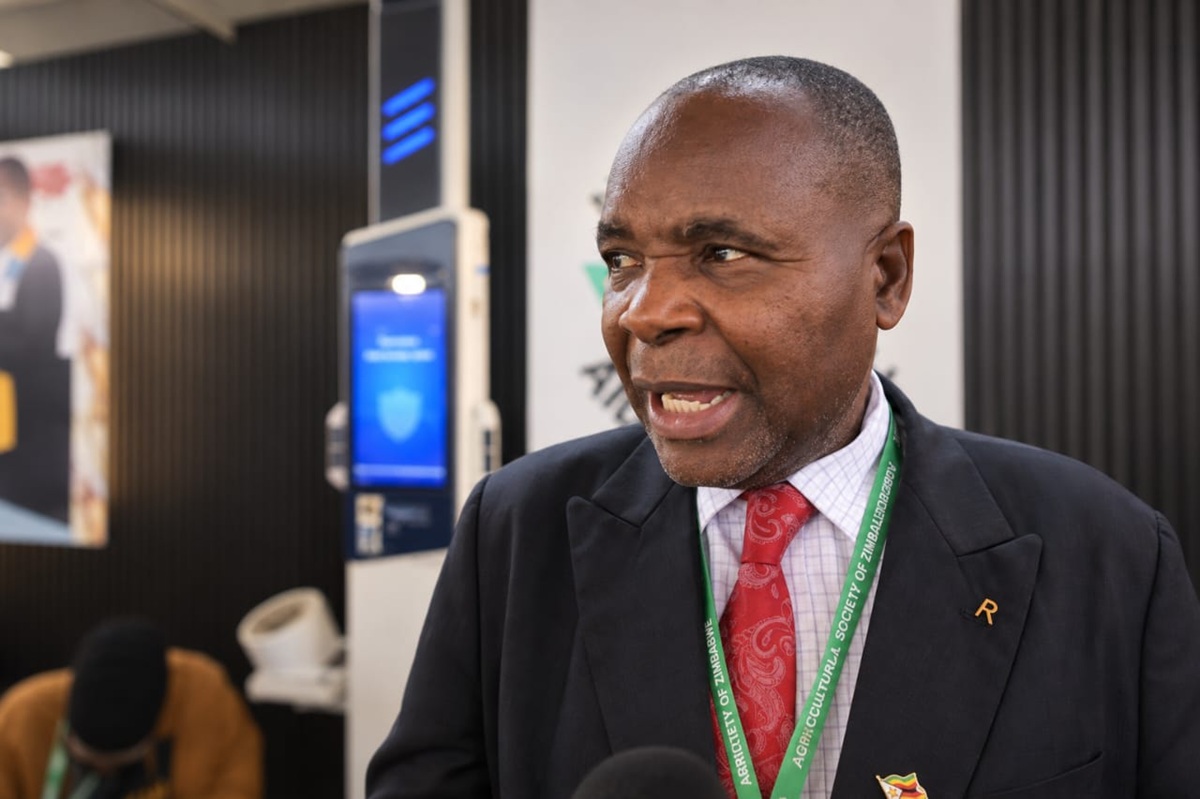
Africa CDC Director-General Dr Jean Kaseya said the gap was undermining efforts to determine where the virus was spreading, as nearly seven in 10 recorded deaths were occurring in communities rather than health facilities.
“Currently in DRC, it’s useless to talk about contact lists,” Kaseya told journalists during an Africa CDC press briefing on Thursday. “Because this contact list is not accurate, is not capturing all people that must be in the contact list.”
The warning comes as the outbreak has grown to 7,404 confirmed cases and 3,577 deaths as of September 15, giving a case fatality rate of 48.3 percent. Africa CDC said 62 health zones across seven provinces had reported cases, with 49 still considered active.
The contact-tracing problem is particularly significant because only 19 percent of confirmed cases in the latest reporting period were identified among known contacts. Africa CDC’s briefing showed that 32,094 contacts were currently listed and 28,065 had been seen, representing an 87.4 percent follow-up rate among those already identified.
However, the agency estimates that this represents only about 26.8 percent of the expected contact volume, using a benchmark of 60 contacts for every confirmed case.
Kaseya said this meant that a large proportion of people who should be under surveillance were still unaccounted for.
“Today, when we have more than 7,000 cases, what do we have under our contact list? 32,000 people,” he said. “And this one represents around 27 percent of the expected contact.”
“It means 63 percent of those who must be in a contact list, we don’t know where they are.”
The surveillance gap is being reflected in where people are dying. Africa CDC data showed that community deaths accounted for 69.2 percent of deaths during the period from August 24 to September 13, up from about 61 percent in the preceding period. Overall, community deaths accounted for 68 percent of deaths recorded during the outbreak.
Kaseya said the continued occurrence of deaths outside health facilities was particularly concerning because it could allow transmission to continue undetected.
“More than 70 percent of new cases [are] coming from community,” he said, linking the pattern to weaknesses in contact identification and surveillance.
The Africa CDC chief also pointed to continuing practices that could expose relatives and other community members to infection, including the washing and touching of bodies after death.
The problem is compounded by the fact that transmission is not moving uniformly across the country. While some health zones have recorded improvements, Africa CDC said several areas were still reporting active transmission, with North Kivu experiencing upward trends in multiple health zones. Ituri remains the epicentre, accounting for 77.7 percent of all confirmed cases, while Haut-Uele continues to experience sustained transmission. Tshopo has reported low-level sporadic transmission and Bas-Uele has recorded isolated cases.
The latest data also show why Africa CDC is resisting declarations that the outbreak has entered a sustained decline.
Between August 3 and August 23, the DRC recorded 1,712 confirmed cases. In the following period, August 24 to September 13, it recorded 1,744 cases, an increase of 1.9 percent. Deaths declined by 14.6 percent between the two periods, while recoveries increased by 11.2 percent.
Kaseya said the fluctuations meant the response could not yet establish that transmission was consistently declining.
“We are celebrating some decrease,” he said. “But it’s a slight decrease.”
“If you compare, there was an increase, then it was a decrease, then it was an increase. It means it’s not sustainable for now.”
The Emergency Consultative Group, a panel of senior African scientists advising Africa CDC, reached a similar conclusion after meeting on Wednesday. The group said the available data could not confirm that the outbreak had reached its peak and that transmission was not yet consistently controlled across affected areas. It recommended maintaining the Public Health Emergency of Continental Security status and increasing response intensity, particularly in North Kivu.
The group also called for improvements in contact identification, harmonised reporting through DHIS2 and caution against interpreting short-term declines as evidence that transmission had stopped.
The surveillance concerns are emerging alongside pressure on treatment capacity in some areas. Africa CDC reported that North Kivu’s treatment bed occupancy had reached 143.6 percent, with 316 patients against 220 available beds. Nationally, the reporting provinces had 862 patients occupying 1,427 beds, representing 60.4 percent occupancy.
At the same time, researchers are continuing to test potential treatments and preventive approaches for Bundibugyo virus disease, for which the response is still generating evidence.
A therapeutic trial involving remdesivir and MBP134 had enrolled 479 participants by September 16 against a target of between 1,500 and 2,500. A separate trial of obeldesivir for post-exposure prophylaxis had enrolled 284 of its planned 400 participants, putting it at 71 percent of its target. Africa CDC said an initial readout from the obeldesivir trial was expected within about three weeks, with discussions under way with Gilead for potential immediate access if results are positive.
Vaccination efforts are also continuing, although the evidence for protection against Bundibugyo virus disease is still being generated. By September 16, 16,520 Ervebo doses had reached the DRC, with 3,249 healthcare and frontline workers vaccinated since the campaign began on August 27. The vaccination programme is being conducted alongside observational and clinical studies intended to establish the vaccine’s impact against the current virus.
For Africa CDC, however, the immediate priority remains finding people who may have been exposed before they develop severe disease or transmit the virus to others.
Kaseya said the response needed to move beyond counting people already known to health authorities and strengthen community-level surveillance.
“When you have cases coming from community, you cannot say that the outbreak is under control,” he said.
The agency’s latest assessment therefore shifts attention from whether case numbers are temporarily falling to whether surveillance systems are capable of detecting transmission early enough to prove that the decline is real.