
By Kudakwashe Pembere
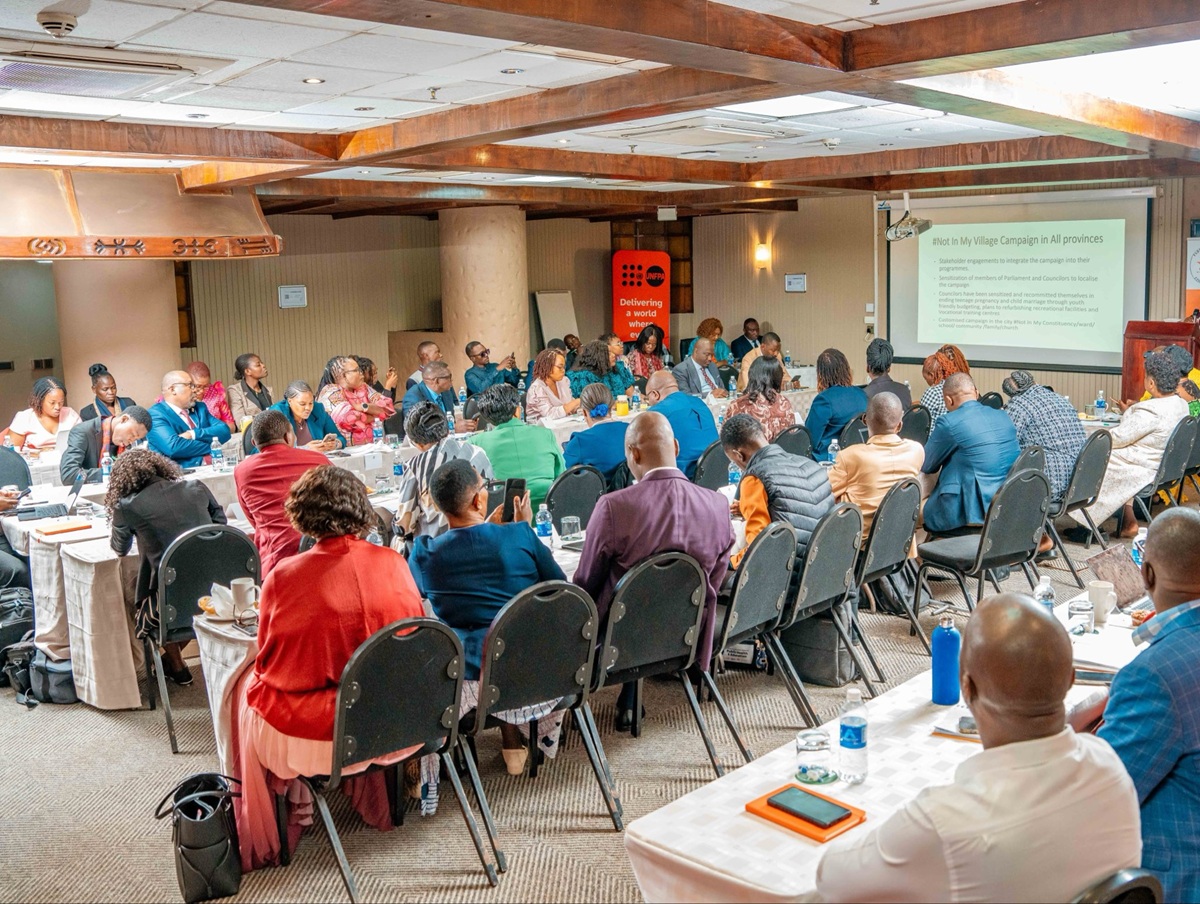
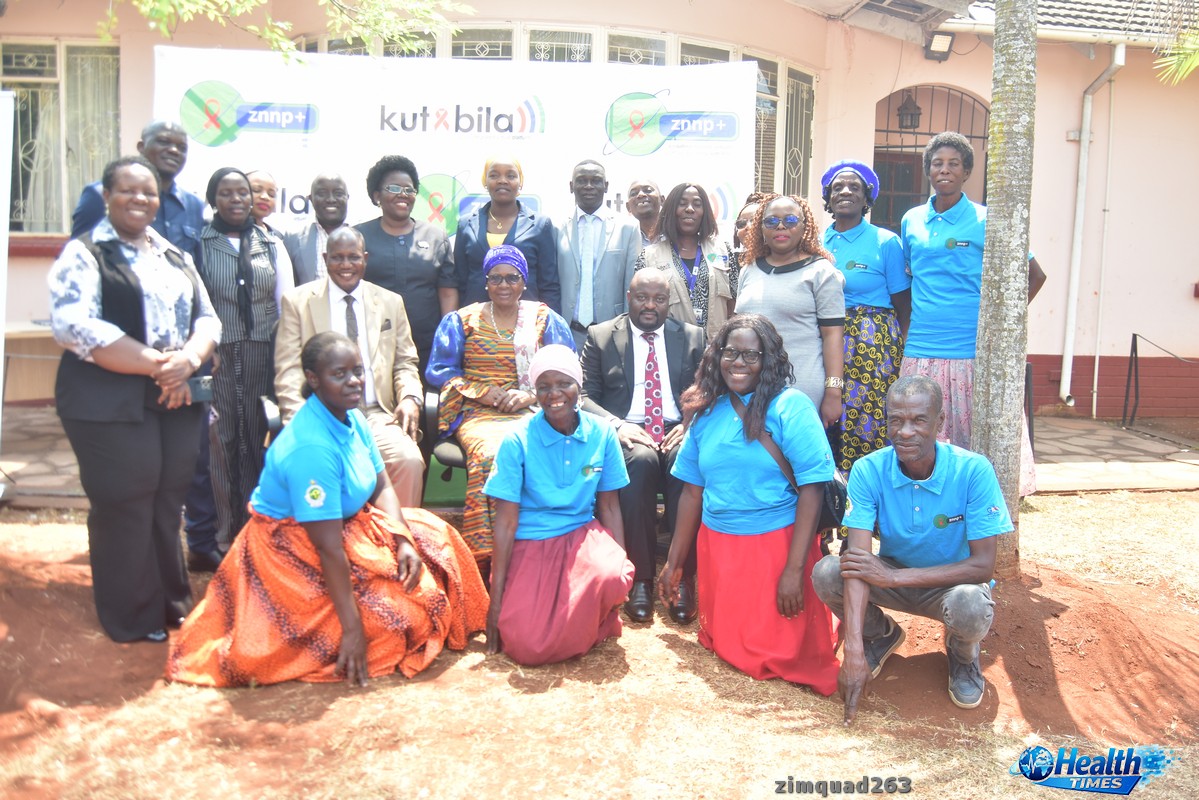
A delegation of Ugandan legislators is in Zimbabwe to benchmark the country’s HIV response, with community-led monitoring, HIV financing and innovations such as the Zimbabwe National Network of People Living with HIV (ZNNP+)’s Kutabila Platform among the initiatives under study.
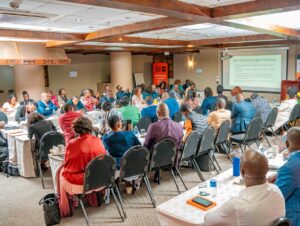
The Ugandan legislators visited ZNNP+ on Wednesday for a benchmarking exercise focused on the country’s community-led monitoring, AIDS Levy and other aspects of the national HIV response.
Uganda’s Parliament HIV Thematic Committee chairperson Stephen Kisa said the delegation was in Zimbabwe to learn from its experiences.
“We are a delegation from Uganda, particularly from the Parliament of Uganda, Members of Parliament and staff, and we have come here specifically for benchmarking,” Kisa said.
“We know that the government and people of Zimbabwe have made significant strides in the fight against HIV and AIDS. As Uganda, we want to share your experiences of success and learn how you have been able to do it better.”
Kisa said the delegation was particularly interested in how communities were involved in sustaining the HIV response, strengthening national ownership, financing and accountability.
He said Uganda was seeking lessons from Zimbabwe’s experience with the AIDS Levy, which he said could inform efforts to establish a similar mechanism in Uganda.
“We were told you have the National AIDS Council Fund that helps to collect money, put it in a fund, and then respond to all cases related to HIV. In Uganda, it doesn’t exist,” Kisa said.
“So we want to learn from the communities how this National AIDS Council Fund is being effected and how they feel about it. We want to have the same in Uganda.”
He said the delegation was also interested in Zimbabwe’s experience in eliminating mother-to-child transmission of HIV, saying lessons could be drawn in areas including policy, financing, service delivery, community engagement and accountability.
Kisa said he was particularly impressed by Kutabila, a communication, surveillance and data collection platform designed to strengthen engagement with people living with HIV and improve access to services.
“And then the last one is the Kutabila system. It’s quite a very good system. It’s all free-line communication,” he said.
However, he said Uganda faced challenges in reaching people who were living with HIV but did not have access to mobile phones.
“If someone is HIV positive, but has no phone, but wants to communicate from the village, from the community there, how do you support such a person?” Kisa asked.
ZNNP+ Head of Programs Clarence Mademutsa said the exchange was mutual, with Zimbabwe also looking to learn from Uganda, particularly on the integration of HIV services with other health services.
“There are innovations that Uganda has that we can continue to take and strengthen our network and also our response. Similarly, we also have innovations that Uganda can learn from,” Mademutsa said.
He said Zimbabwe’s integration of HIV services was relatively new and that ZNNP+ recognised it as an emerging reality, particularly amid changes in the funding landscape.
“Our desire obviously would be that we have dedicated services, but we also understand the reality that integration has to happen,” he said.
“Integration should be well measured. It should be done in an orderly way, and also it should ensure that the services are not affected significantly.”
Mademutsa said Zimbabwe wanted to learn from Uganda’s experience while ensuring that integration did not result in the loss or reduction of essential services. Mademutsa said ZNNP+ established Kutabila during the COVID-19 pandemic as a virtual support system when movement was restricted.
The platform began with a toll-free centre through which people could raise concerns and seek assistance. Unlike conventional call centres, Kutabila is decentralised, with calls routed to agents in the caller’s province, allowing them to receive support from people familiar with their local context.
Mademutsa stated the platform has since evolved into an integrated virtual health facility, effectively a virtual hospital, clinic and health centre.
It connects callers with medical doctors, mental health specialists and legal specialists. Doctors can also prescribe medication and send prescriptions through WhatsApp.