
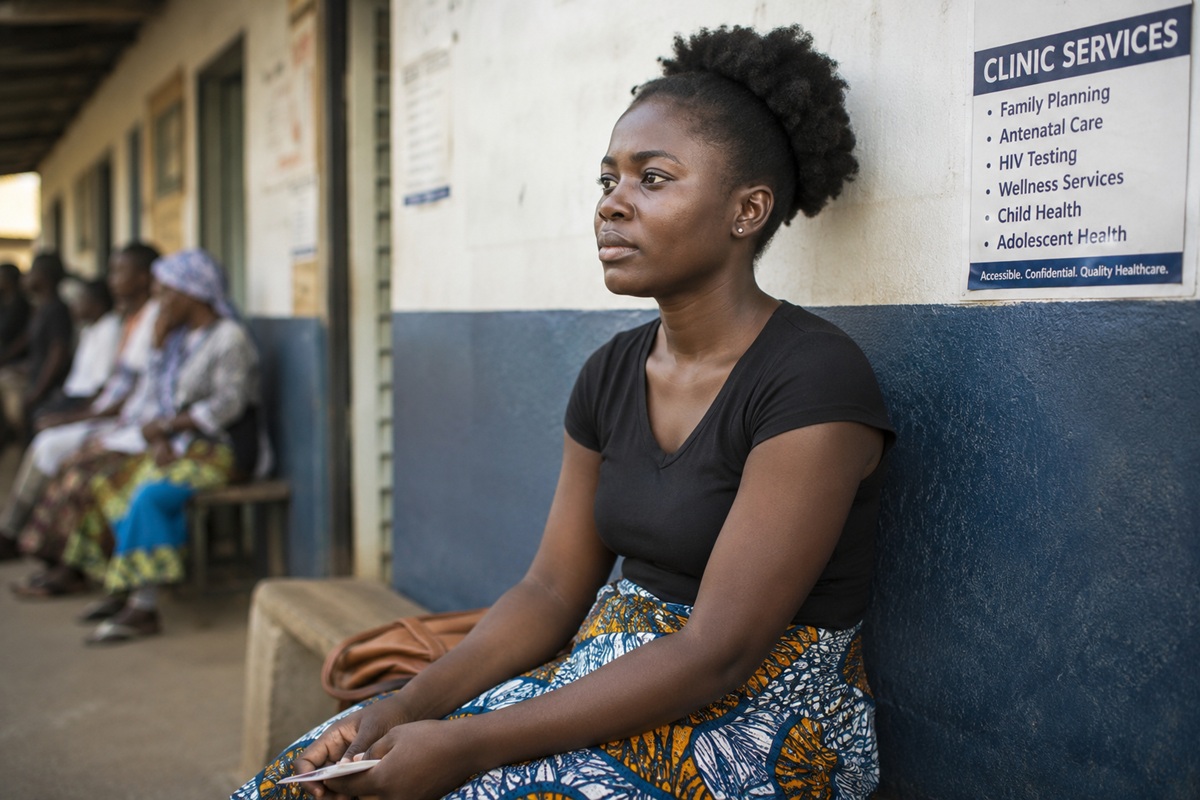
Clause 11 has been deleted. The conversation has not.
By Memory Pamella Kadau Deleting Clause 11 did not delete the need for it. It did not delete Memory in Guruve, a 16-year-old girl trying to understand whether the law protects her after a pregnancy caused by sexual abuse, while adults around her speak in whispers, clinics speak in caution, and the state speaks in
Read More
“It Still Haunts Me”: The Hidden Toll of Unsafe Abortions in Zimbabwe
By Anna Miti HARARE — Every year, an estimated 65,300 induced abortions take place across Zimbabwe. For many of the women and girls behind this statistic, the procedure is not a medical one but a desperate gamble involving any number of methods. The limited circumstances under which abortion is legally permitted under the Termination of
Read More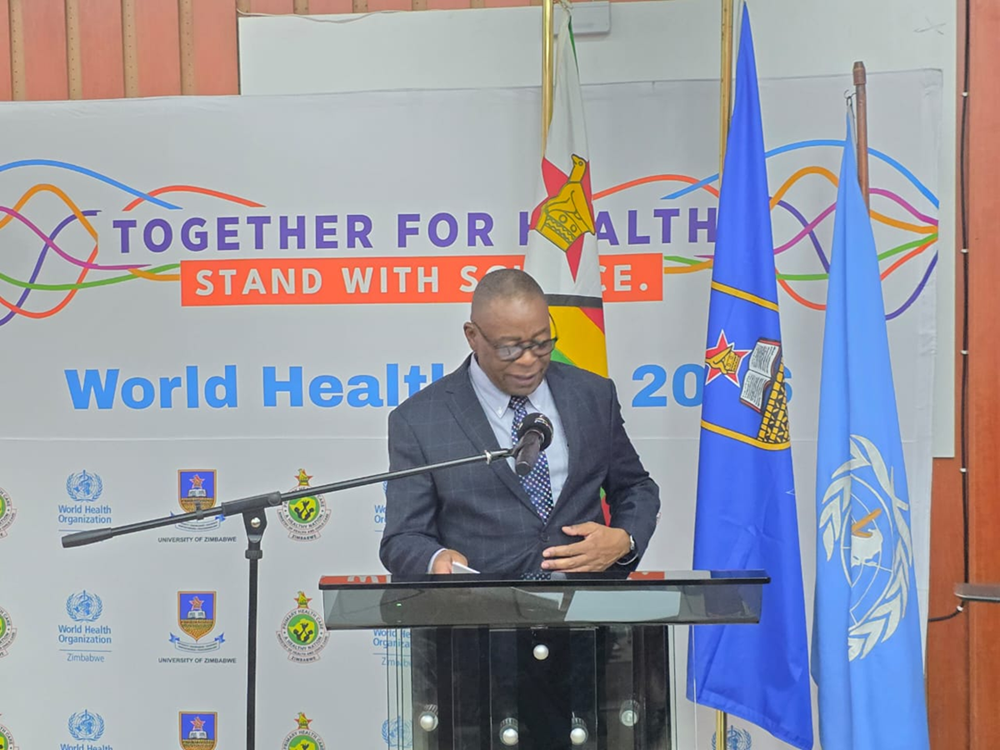
Zim commemorates World Health Day amid calls to end preventable maternal deaths
Michael Gwarisa Zimbabwe marked World Health Day amid renewed calls for stronger commitment to health as a fundamental human right, with the United Nations Population Fund (UNFPA) urging urgent action to end preventable maternal deaths. The commemorations were held under the theme “Together for Health. Stand with Science,” which officials said underscores the need for
Read More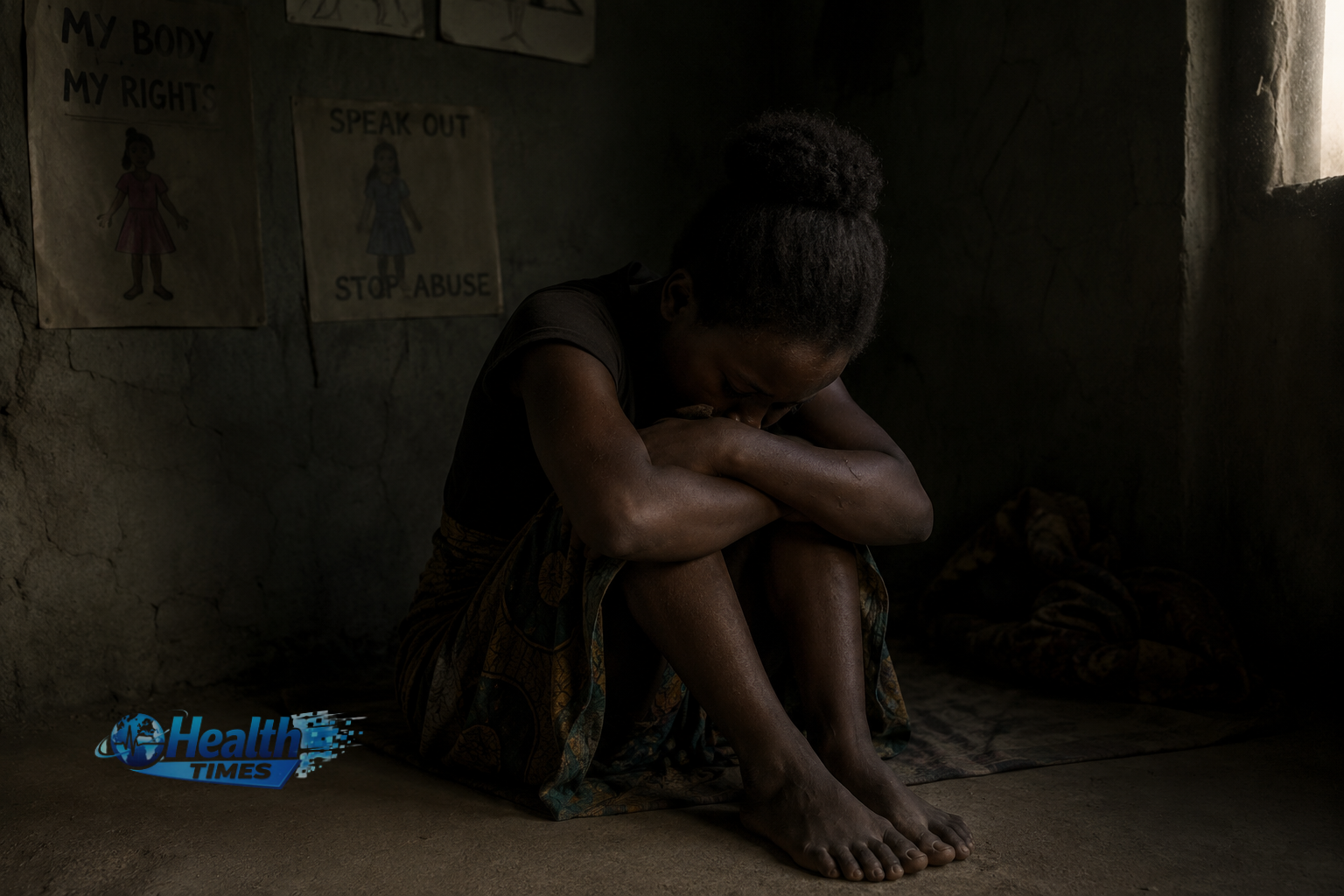
The Mental Health Toll of Forced Pregnancy in Child Survivors of Rape
By Maceline M. Mukwamba In Zimbabwe and across many parts of the world, a quiet crisis continues to unfold behind closed doors, within families, schools, and communities. It is the story of children, girls often between the ages of 10 and 17, who survive rape only to face a second, prolonged trauma of being forced
Read More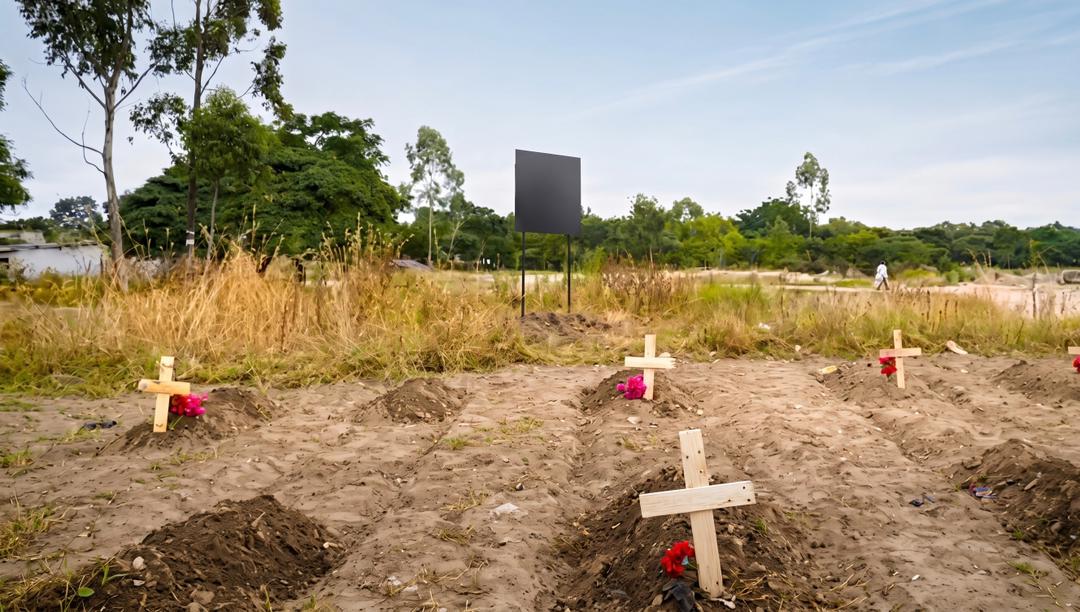
Press Release: Mysterious Grave in Epworth Revealed as National Intervention for Public Health Crisis
HARARE, ZIMBABWE – [24 April, 2026] A striking public installation of graves that appeared overnight in Epworth sparking widespread curiosity, public speculation, and viral social media debate has been revealed as a deliberate national intervention to spotlight Zimbabwe’s escalating public health crisis of unsafe abortion. The installation marks the launch of “In the Shadows of Epworth,” a
Read More
The Cost of Inaction: Urgent Attention to Abortion Law in Zimbabwe
By Mildred Mushunje (PhD) & Dean Mutata (BSc, MSc) Background Zimbabwe’s health crisis is often framed in terms of economic decline or health financing gaps. Yet there is another crisis, silent, gendered, and entirely preventable, rooted in abortion policy inaction. Trapped between inherited colonial law, religious anxiety, and political discomfort and misinformed moralistic judgemental attitudes,
Read More
World Health Day Theme Reflected in Zimbabwe’s IVF Breakthroughs
Staff Reporter Zimbabwe joins the world in marking World Health Day today (April 7) under the theme “Together for Health. Stand with Science.” This year’s theme highlights how scientific innovation is transforming healthcare, making advanced solutions more inclusive and accessible. In vitro fertilization (IVF) is one of the most striking examples of science at work.
Read More
Zimbabwe Probes Genetic Link in Unexplained Infertility Cases
Michael Gwarisa Data shows up to 20 percent of couples face unexplained infertility, where science has not identified a clear cause, prompting Zimbabwean medical experts to launch a study exploring potential genetic links to infertility. While science has established that factors such as poor sperm quality, low sperm count, uterine abnormalities in women, fibroids, and
Read More
Ejaculating More Frequently Could Boost Sperm Health, Oxford Researchers Say
Michael Gwarisa New research from Oxford University suggests that ejaculation frequency may play a key role in maintaining sperm quality, with findings showing that prolonged sperm storage in the body can lead to deterioration over time. The study found that the longer sperm are stored before ejaculation, the lower their quality, a finding that could
Read More
Growing Awareness Slowly Reduces Stigma Around IVF Births in Zimbabwe
Michael Gwarisa For many years, in vitro fertilisation (IVF) has been widely misunderstood and heavily stigmatised in Zimbabwe and across much of Africa. The procedure, which involves fertilising an egg with sperm outside the body in a laboratory before transferring the embryo into the uterus, has often been dismissed as “unnatural” or seen as interfering
Read More