

Over 500 UK Men Admitted In Hospital Requiring Treatment For Painful Erections
Own Correspondent More than 500 men in the United Kingdom required hospital treatment for priapism last year, with health figures showing an 11 per cent increase in cases over the previous year. Priapism is a prolonged and often painful erection that occurs when blood becomes trapped in the penis and fails to drain normally. According
Read More
Zim Health Fraternity Mourns Pioneering Obstetrician Dr Booker Kambarami
By Kuda Pembere Zimbabwe’s medical fraternity is mourning the death of Dr Booker Kambarami, one of the country’s pioneering specialists in obstetrics and gynaecology, who died on August 15. He was 76. In a condolence message issued on Sunday, the Ministry of Health and Child Care’s Permanent Secretary Dr Aspect Maunganidze described Dr Kambarami’s death
Read More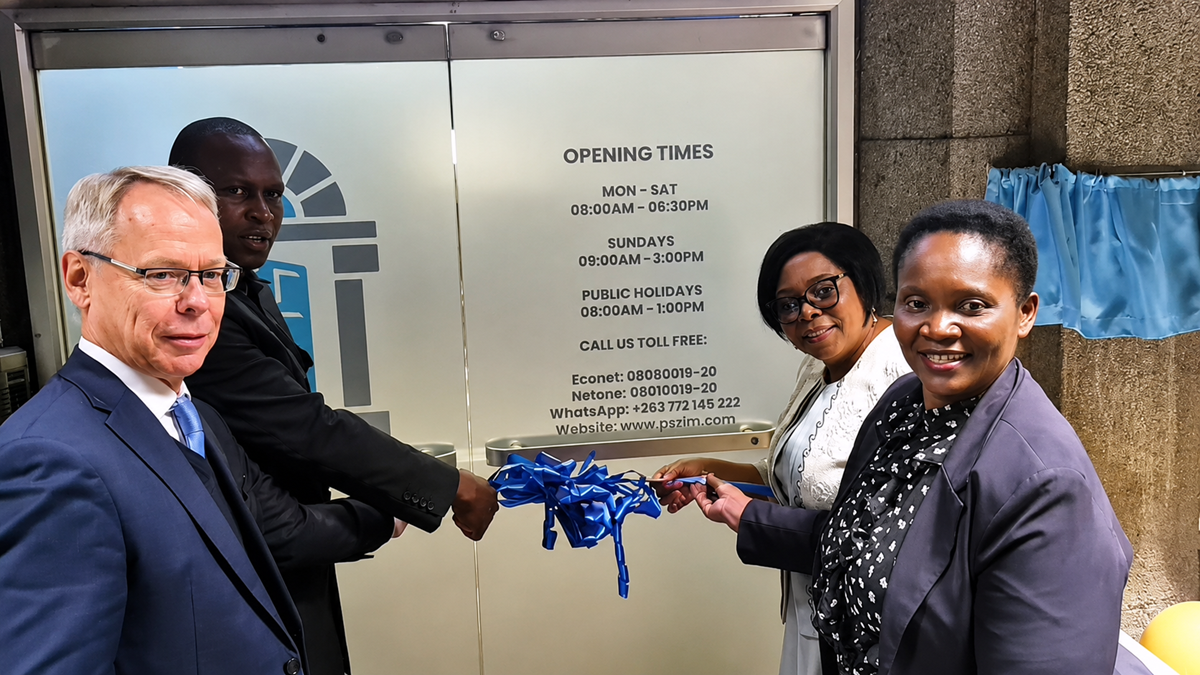
PSZ Opens Harare CBD Clinic to Expand Access to Sexual and Primary Healthcare
By Michael Gwarisa Population Services Zimbabwe (PSZ) has opened a new clinic in Harare’s Central Business District, expanding access to sexual and reproductive health, primary healthcare and non-communicable disease services for people who live and work in the city centre. The clinic, located at Eastgate Mall, will provide a range of services including family planning,
Read More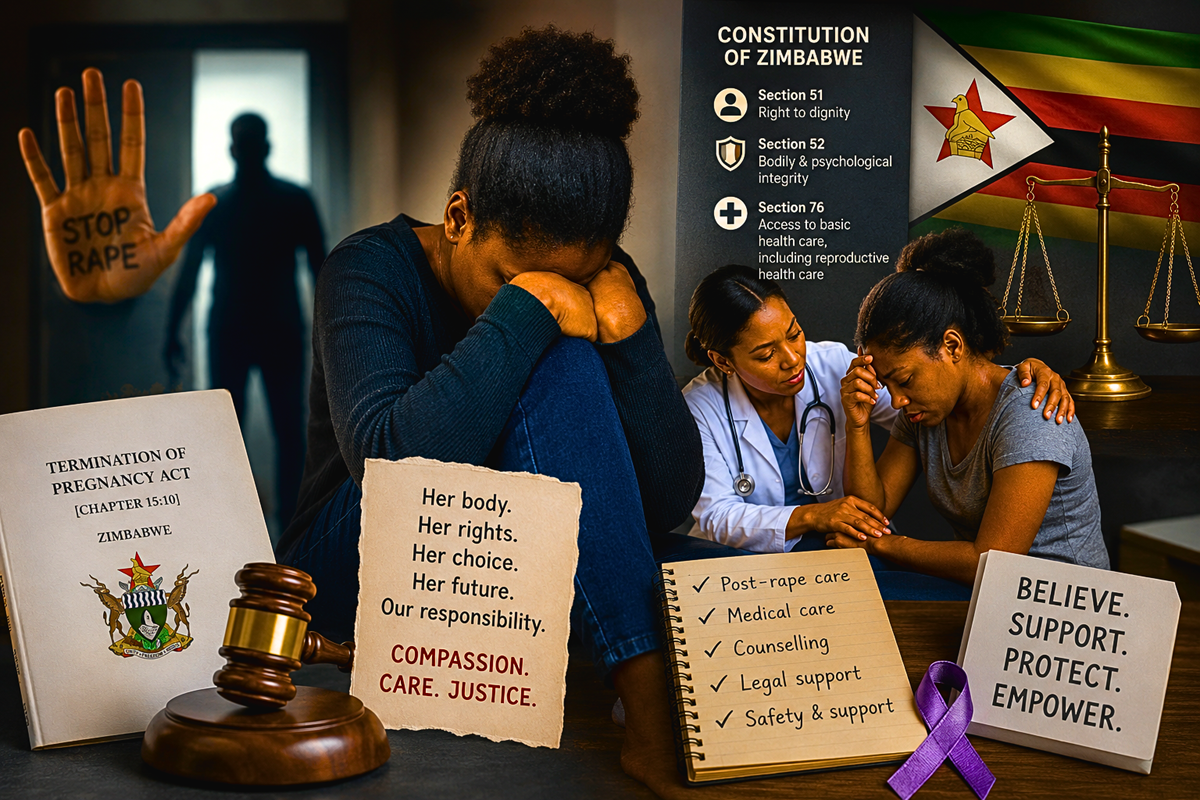
‘I have nowhere to start’: Abandoned and pregnant, Sarudzai seeks an abortion
By Kuda Pembere When Sarudzai walked into a youth centre in Hurungwe, she was not looking for a debate about Zimbabwe’s abortion laws. She was looking for help. Four months pregnant with her third child, the 22-year-old mother of two had already made up her mind that she wanted to terminate the pregnancy. Sarudzai’s husband
Read More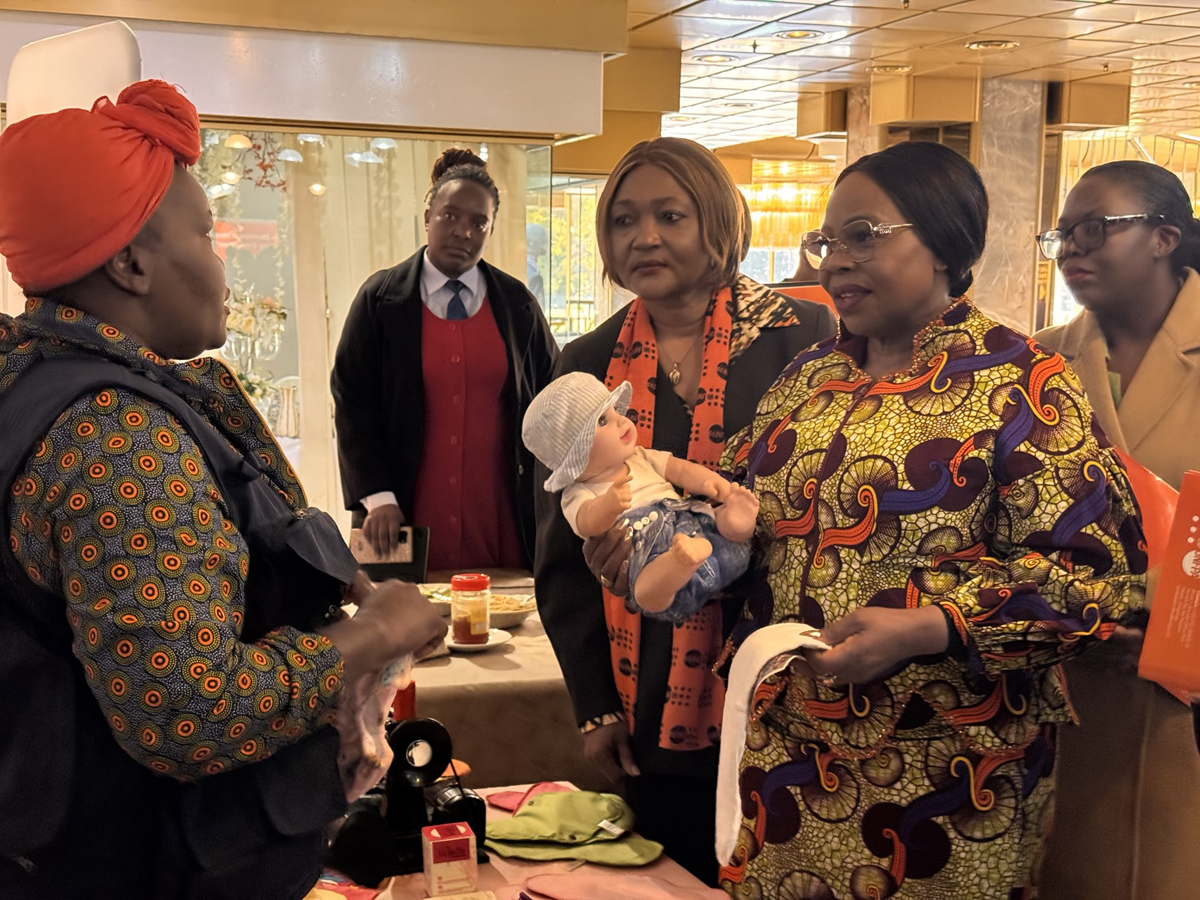
Zimbabwe Moves Towards Dedicated Menstrual Health Policy and Law
By Kuda Pembere At a time when Zimbabwe lacks a stand-alone legal framework governing comprehensive menstrual health management, Government says it is considering developing one that could eventually become an Act of Parliament. Minister of Women Affairs, Community, Small and Medium Enterprises Development Senator Monica Mutsvangwa made the announcement while officially opening Zimbabwe’s inaugural Menstrual
Read More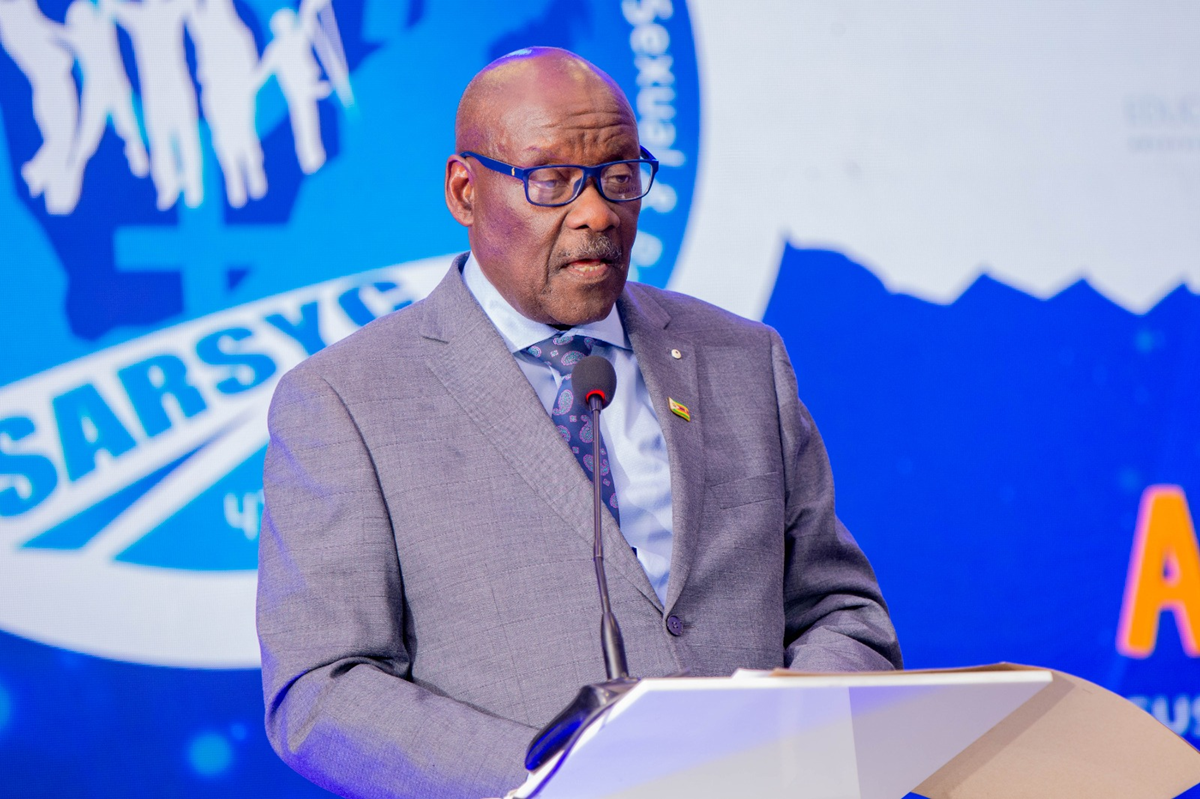
Regional Conference Calls for Stronger Investment in Youth Health and Education
By Alice Mudzingwa WINDHOEK, Namibia – Delegates at the Sixth Southern African Regional Students and Youth Conference (SARSYC VI) have called for stronger regional collaboration, evidence-based policymaking and greater investment in youth-led solutions to address emerging health and education challenges facing young people across Southern Africa. The calls were made during the opening of the
Read More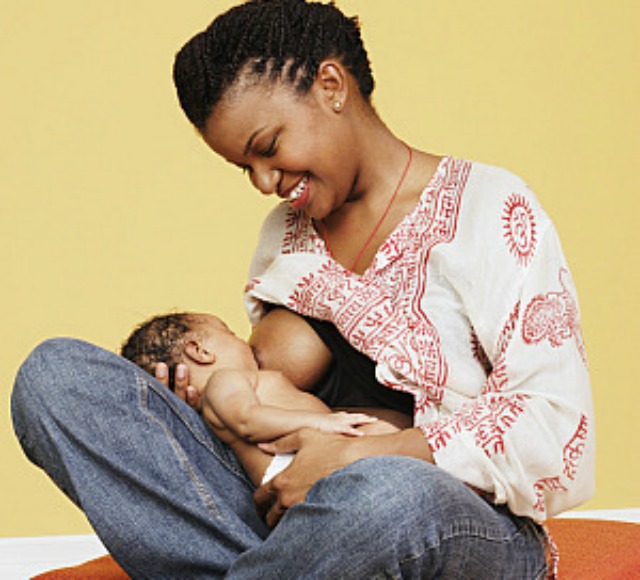
Breastfeeding Support Must Begin in Communities, Says Nutrition Action Zimbabwe
By Staff Reporter As Zimbabwe joins the rest of the world in commemorating World Breastfeeding Week 2026, Nutrition Action Zimbabwe (NAZ) has called for stronger community-led support systems to help more mothers exclusively breastfeed their babies, saying communities—not mothers alone—hold the key to improving child nutrition and survival. This year’s World Breastfeeding Week, observed from
Read More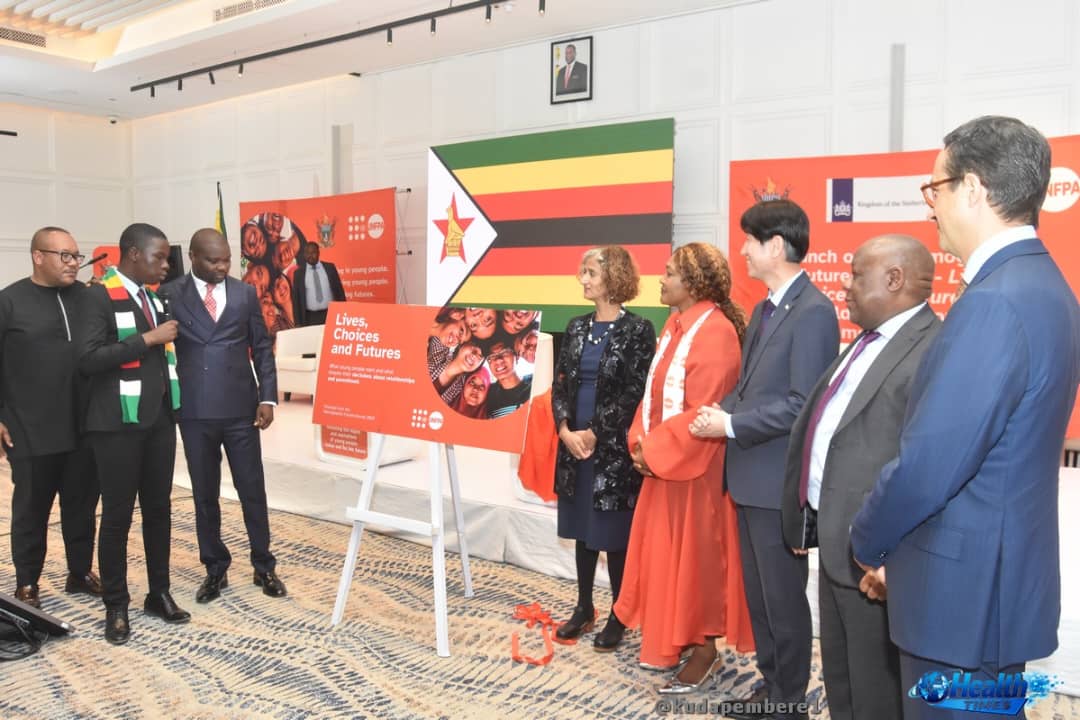
Young Zimbabweans Still Want Families, but Poverty and Limited Reproductive Choices Are Delaying Parenthood
By Kuda Pembere Zimbabwe’s young people still aspire to build families and secure better futures, but many are being held back by economic hardship, housing insecurity and limited access to reproductive healthcare, a new global survey has found. The findings were unveiled on Friday as the Government of Zimbabwe and the United Nations Population Fund
Read More
Men Embrace Family Planning Through Community and Workplace Engagements
By Percival Kushure SHAMVA/BINDURA – Recent male engagement initiatives on family planning and reproductive health conducted in Shamva and Bindura districts, as well as at workplaces in Bindura by the Zimbabwe National Family Planning Council (ZNFPC), are beginning to transform men’s perceptions of family planning and reproductive health. More men are recognising the value of
Read More
Zimbabwe Promises Free Caesarean Sections Once National Health Insurance Programme Takes Effect
By Michael Gwarisa The Government has acknowledged that financial barriers are preventing some pregnant women from accessing life-saving maternal healthcare and says it is finalising legislation that will introduce free healthcare for every Zimbabwean citizen and resident. Responding to concerns raised in Parliament, Minister of Health and Child Care Dr Douglas Mombeshora said the proposed
Read More