By Maceline M. Mukwamba
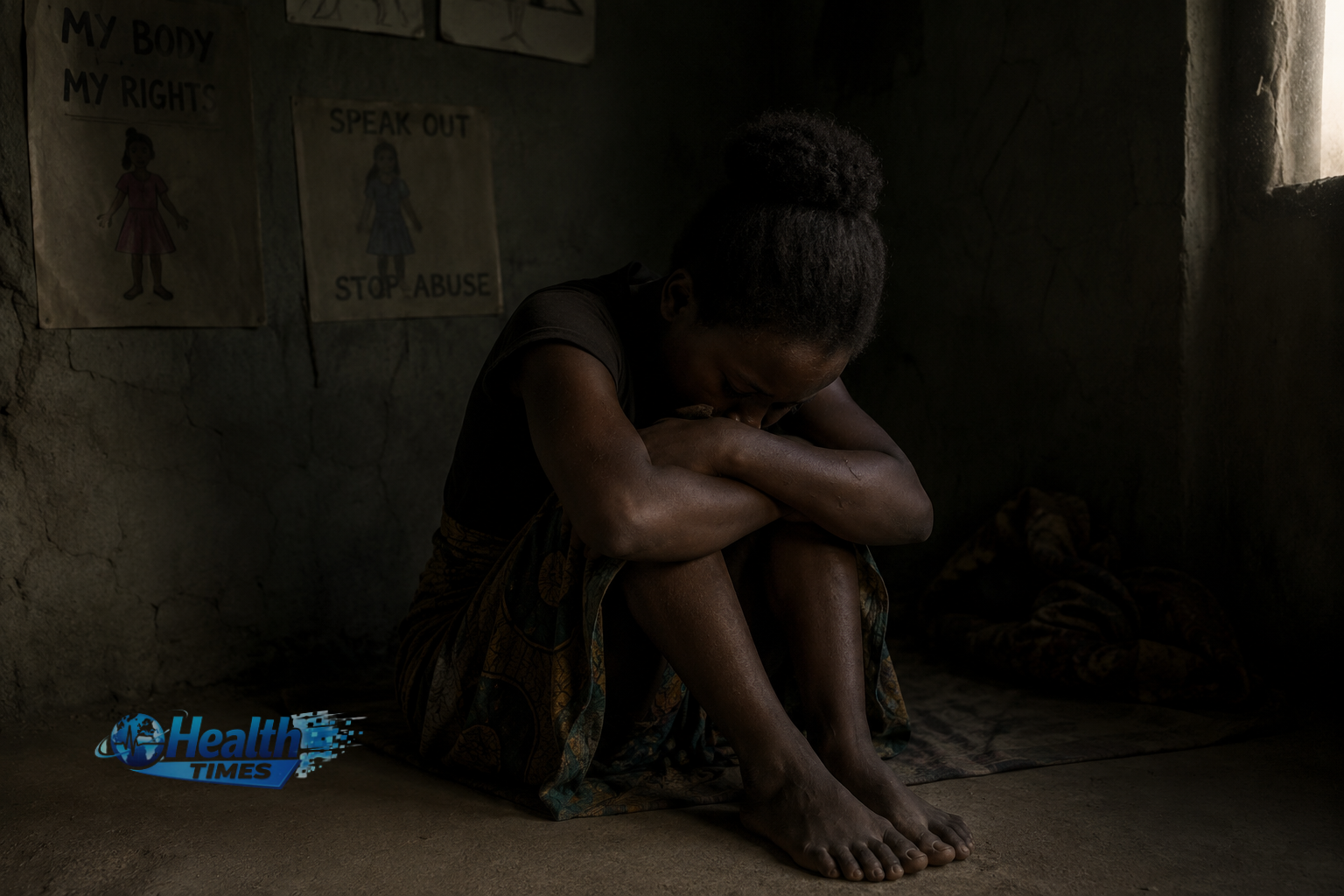
In Zimbabwe and across many parts of the world, a quiet crisis continues to unfold behind closed doors, within families, schools, and communities. It is the story of children, girls often between the ages of 10 and 17, who survive rape only to face a second, prolonged trauma of being forced to carry a pregnancy they neither chose nor fully understand. This is not simply a health issue. It is a profound mental health emergency.
For a child survivor, rape is already a deeply destabilizing experience, shattering their sense of safety, trust, and identity. When pregnancy results and access to safe termination of pregnancy (TOP) is blocked, the trauma becomes prolonged and compounded.
Barriers to accessing TOP are not abstract. They are deeply human and painfully real, including fear of exposing the perpetrator, who is often a known and trusted individual; fear of not being believed, especially in communities where stigma and victim-blaming persist; limited understanding of biological changes, particularly among younger adolescents; silence within families, where communication around sexuality and abuse is taboo; and religious and cultural beliefs that override the child’s best interests. These barriers do more than delay care, they entrench trauma.
A child forced to continue a rape-induced pregnancy carries not only a physical burden but also an immense psychological weight. The mental health consequences are severe and long-lasting. There is chronic anxiety and depression as the child grapples with fear, shame, and confusion. Post-Traumatic Stress Disorder (PTSD) is triggered not only by the assault but also by the ongoing pregnancy itself. There is loss of identity and childhood as the child is thrust prematurely into adult roles. Worse still, there is self-blame and internalized stigma, reinforced by societal attitudes. Pregnancy becomes a daily reminder of the violence endured. There is no space to heal when the trauma is continuously embodied.
The bodies of young girls are not fully developed to sustain pregnancy safely. This exposes them to an increased risk of complications such as obstructed labour, fistula, and maternal morbidity, as well as nutritional strain, particularly in already vulnerable households, and long-term reproductive health consequences. These physical challenges intersect with mental distress, creating a cycle of vulnerability that is difficult to break. Pregnancy often leads to school dropout due to stigma, reduced concentration and academic performance because of stress and health challenges, and at times, a permanent loss of educational and economic opportunities.
Many child survivors navigate pregnancy in isolation. Emotional support is often limited because of secrecy, shame, or family breakdown. Mental health services remain inaccessible or under-resourced, and economic support is rarely sufficient to meet the needs of pregnancy and infant care. Without structured support, the child is left to cope with overwhelming responsibilities physically, emotionally, and financially.
Beyond the immediate challenges, societal labelling of “teen mothers” carries enduring consequences. These include stigmatization and exclusion from peer groups, reduced marriage prospects in communities where purity norms persist, and a lifelong identity shaped by an experience of violence rather than choice. The narrative shifts from “survivor” to “mother,” often erasing the violence that led to the pregnancy. After delivery, the child faces another traumatic decision: either keeping the child, which may mean living with a constant reminder of the assault, or giving the child up for adoption, which can result in profound grief, guilt, and unresolved trauma. There is no easy path, only different forms of psychological pain.
A child-centred, rights-based response must include timeous access to rape services to prevent HIV, STIs, and unwanted pregnancy. In cases of delayed access to preventive medicines, the child should at least have timely access to safe, legal termination of pregnancy for rape survivors. With the high prevalence of child sexual abuse, there is a need to strengthen community awareness to reduce stigma and encourage early reporting. It is also critical to prioritize integrated mental health services tailored to child survivors and engage families and communities to break cycles of silence and disbelief. Children deserve protection, dignity, and the right to heal.