By Memory Pamella Kadau
Deleting Clause 11 did not delete the need for it.
It did not delete Memory in Guruve, a 16-year-old girl trying to understand whether the law protects her after a pregnancy caused by sexual abuse, while adults around her speak in whispers, clinics speak in caution, and the state speaks in legal language she cannot possibly be expected to navigate on her own. It did not delete the nurse in Gweru who still receives women with complications from unsafe abortions, not always because the law allowed nothing, but because the lawful routes that do exist are too little known, too procedurally burdensome, and too inaccessible to the women and girls who need them most. It did not delete the woman in Mbare who already has many children and is living with reproductive coercion, and who has never been given information about what Zimbabwean law permits, where she can go, or who is obligated to assist her. It did not delete, a pregnant 15-year-old girl living on the streets, forced to sex work for survival, with no parent or legal guardian to consent so she can get health services in her best interest.
The debate over Clause 11 should never have been reduced to a false choice between total prohibition and abortion on demand. Zimbabwe already recognises limited lawful grounds for termination; the real question is whether those rights can be made real for those who need them. The Termination of Pregnancy (ToP)Act of 1977 settled the legality decades ago, yet the recent framing of the contest as one between women’s rights and culture did real damage. Concerns about the sanctity of life deserve a serious response, but so do the lives of girls and women harmed by unsafe abortions and a system that fails to keep its constitutional promises. The challenge now is to build a national conversation serious enough to hold these complexities without collapsing into slogans.
The debate that consumed Parliament, the Senate, faith leaders, traditional leaders, health advocates, and social media for months was framed as a contest between those who defend women’s rights and those who defend culture and the sanctity of life. That framing was too simple, and it did real damage. Many Zimbabweans who opposed Clause 11 were worried about the protection of life, and those worries deserve a serious response rather than dismissal. Many who supported it were worried about the women and girls harmed by unsafe abortion, by delayed care, and by a constitution that makes promises the health system has never been resourced to keep. These concerns are not as incompatible as the loudest voices on both sides suggested, and the challenge now is to build a national conversation serious enough to hold it all without collapsing into slogans.
What clause 11 was
Misinformation must not write this history. Clause 11 did not legalise abortion on demand; it sought to give practical meaning to rights already recognised in Zimbabwe’s Constitution and address barriers to accessing lawful termination. Under the 1977 ToP Act, termination is permitted if the pregnancy endangers the woman’s life, involves foetal abnormality, or results from rape or incest. However, access is filtered through procedural delays and institutional fear. The better argument is that Clause 11 emerged because the current framework is a colonial-era relic that sits uneasily alongside the 2013 Constitution, which guarantees health, equality, and dignity. Failing to build a functioning system around existing law is an administrative choice with deadly consequences.
That is why the better argument is not that Clause 11 was needed because Zimbabwe had no law at all. The better argument is that Clause 11 emerged because Zimbabwe’s current framework is too narrow, too outdated, and too difficult to navigate for the women and girls whose health, dignity, and lives are at stake. The ToP Act was written in 1977, before Independence, for a legal and political order that no longer exists. It now sits uneasily beside a 2013 Constitution that guarantees rights to health, equality, dignity, and the best interests of the child. Keeping a colonial-era framework in place while failing to build a functioning system around the limited lawful grounds that already exist is not neutrality. It is an administrative and political choice with deadly consequences.
Reproductive justice
Reproductive justice is the only framework honest enough for this moment. It is about more than legality; it is about information, bodily autonomy, and freedom from coercion. It asks if a rape survivor can navigate the system without retraumatisation and if rights are available in Guruve and Binga, not just for the urban elite. Women and girls continue to face sexual violence, child marriage, and health complications. These realities remain regardless of Clause 11’s status. Its removal closed a legislative chapter while leaving the human crisis intact.
Women and girls in Zimbabwe continue to experience unintended pregnancies, sexual violence, child marriage, incest, reproductive coercion, and pregnancy-related health complications. Healthcare workers continue to manage the consequences of unsafe abortions. Families continue to confront difficult reproductive health decisions in conditions of silence, stigma, and confusion. These realities remain whether Clause 11 is in the law or not. The removal of the clause, therefore, did not settle the issue. It simply closed one legislative chapter while leaving the crisis that produced it entirely intact.
Regional lessons
Evidence from across Southern Africa must be learned. In Zambia, broader legal grounds exist, yet administrative barriers hinder access. South Africa saw a reduction in deaths from unsafe abortions, but provider shortages and stigma remain obstacles. Mozambique teaches us that a law on paper is never enough; it must be accompanied by investment in healthcare and public education. Zimbabwe must learn that a law without implementation produces only partial justice, which remains injustice for the woman turned away from care.
What must activists do?
For activists, the lesson is clear: legal reform requires public understanding. Advocacy must invest as heavily in education as in strategy to close the knowledge gap regarding existing laws and what needs reform. Alliances must also reach beyond traditional spaces to include healthcare professionals, traditional leaders, and faith communities. A broader coalition is morally and politically necessary to address the survival and dignity of all women.
What the parliament and government must do
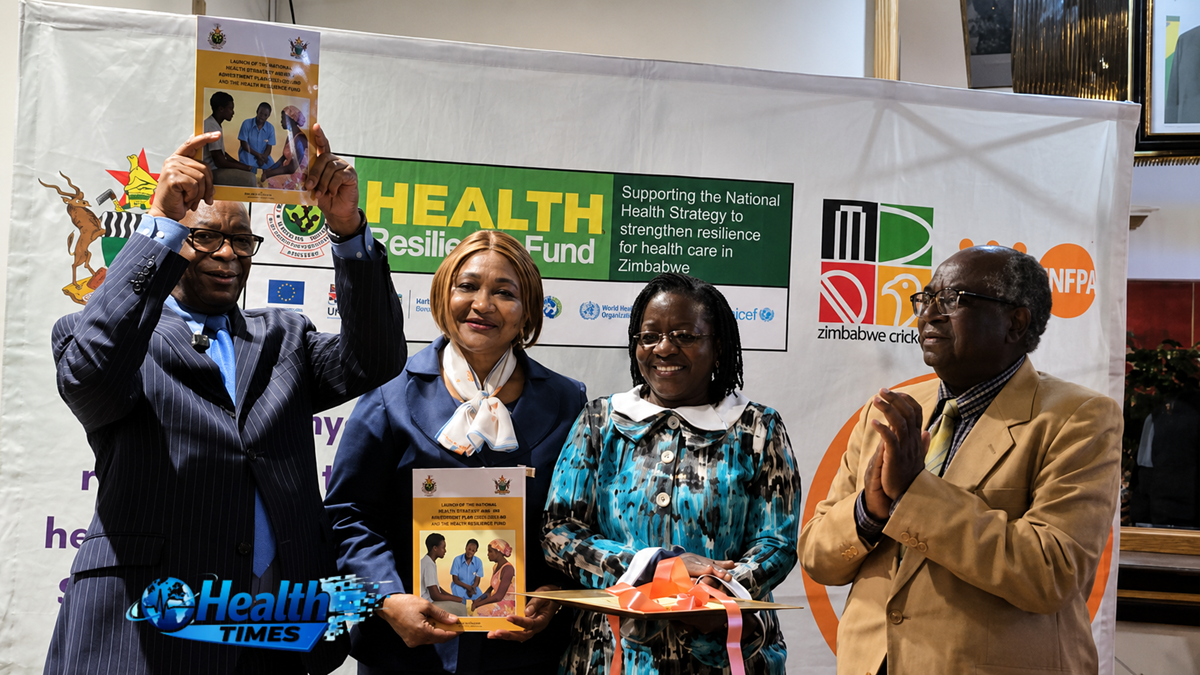
The Ministry of Health and Child Care (MoHCC) suggests that these issues may be addressed in a separate bill; this must be upheld as a serious public commitment. Parliament should facilitate a genuinely inclusive conversation involving all sectors of society. Sustainable solutions require trust-building and evidence-based policymaking. Furthermore, the government must recognise that reproductive justice includes access to information, contraception, maternal healthcare, and support for survivors of violence. Investment here is a public health priority and a development imperative.
Zimbabwe ratified the Maputo Protocol and the SADC Protocol on Gender and Development. These commitments require ensuring access to safe abortion in specific cases. These are obligations the state accepted, and they must finally be reflected in domestic law and practice.
What must civil society do?
Civil society must continue generating data on maternal mortality and healthcare barriers to shift the discussion away from moral panic toward practical solutions. Strategic, consistent litigation is also important; existing rights mean little if they cannot be enforced. International solidarity should support these locally driven efforts to identify solutions that fit Zimbabwe’s unique context.
Information as a Justice Issue
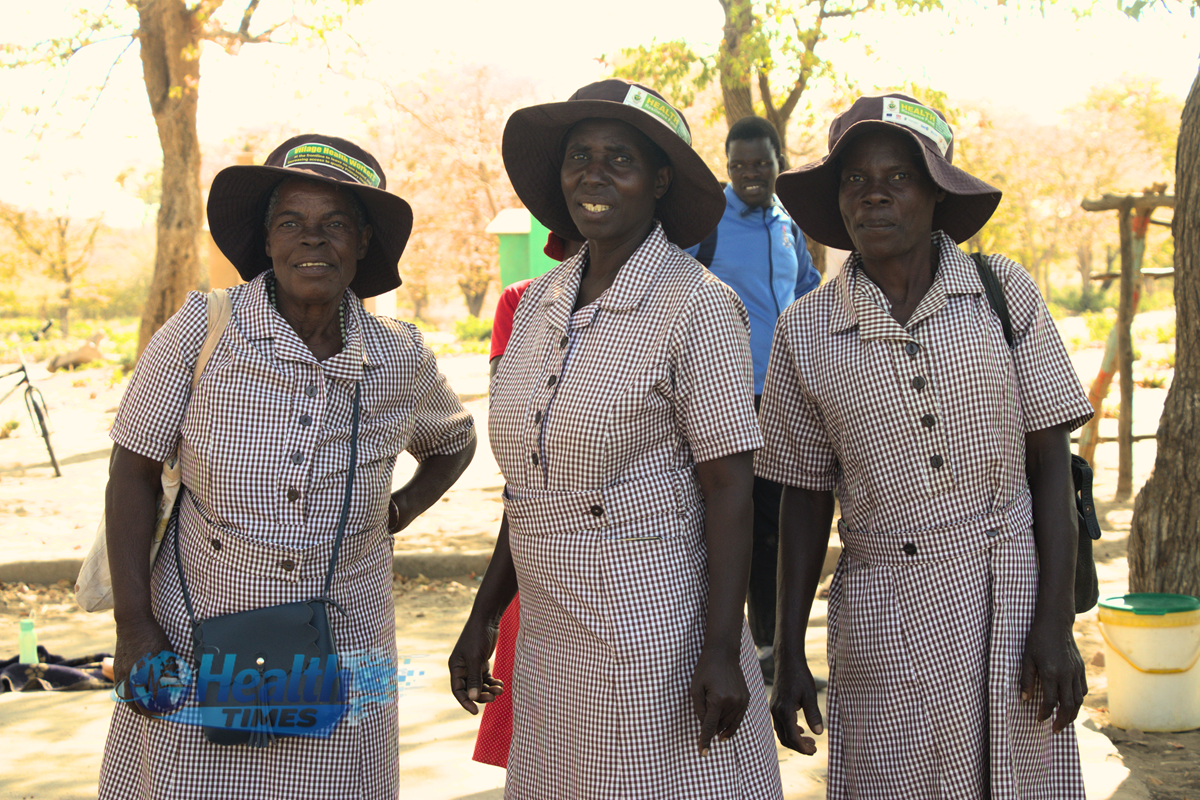
Reproductive justice begins with education. It starts with a girl learning that her body belongs to her and knowing how the law protects her when the worst has happened. The failure to provide age-appropriate information is an injustice, and violence and exploitation thrive in silence. Schools must provide honest, medically accurate sexuality education, and Zimbabwe must invest in community health workers and local language platforms to reach women where they live. A right that a girl has never heard of cannot be exercised.
The work ahead
Clause 11 may be removed from the Bill, but we need to save the lives of girls and women in Zimbabwe. One woman or girl is one too many for us to stand by. The article calls on all stakeholders to move forward to protect positive health outcomes, ensure informed decision-making and achieve reproductive justice for all.