WHAT started as a single suspected Cholera case in Chegutu a month ago, could soon become a full blown epidemic in Zimbabwe, amidst indications that only two out of the 10 administrative provinces in the country are yet to record confirmed cases of Cholera.
By Michael Gwarisa
According to the Ministry of Health and Child Care (MoHCC), eight provinces so have recorded cases of Cholera since the beginning of 2023, with cases in the eight provinces having no epidemiological link to each other. However, only Harare and Bulawayo have no confirmed cases at the moment but health experts have warned that it was just a matter of time before the diarrhoeal bug hits the major cities.
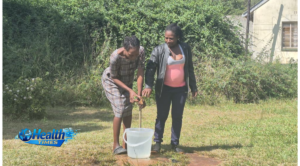
Public health experts have raised fears that should the disease hit Harare’s high density suburbs, the situation could become uncontrollable as most residents have gone for several months without garbage being collected. While residents have resorted to getting drinking water from boreholes, recent findings by the Harare City Health department showed that boreholes were also not safe sources of drinking water.
In an interview with HealthTimes, City of Harare Spokesperson, Mr Innocent Ruwende said the City was already preparing for the possibility of a Cholera outbreak.
We are prepared, our team is alert. The city is offering free treatment for diarrhoea cases. Therefore, the general populace is being advised to treat all drinking water regardless of source and to ensure safe hygiene practices.
“To guard against the disease, the City of Harare is advising the following to the general populace: Consult City of Harare on suitable site for borehole drilling, to regularly monitor the quality of their borehole water (at least once every 3 months and more frequently during rainy season) and to have water sources tested by authorized personnel. The City of Harare will continuously test public boreholes and will be more frequent where there is cholera suspicion,” said Mr Ruwende.
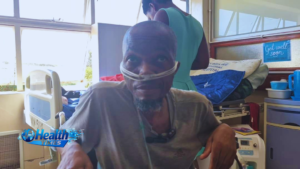
Cholera is an intestinal infection caused by Vibrio cholera bacteria and is extremely infectious disease causing severe acute rice watery diarrhoea. It takes between 12 hours and 5 days for a person to show symptoms after ingesting contaminated food or water. Cholera affects both children and adults and can kill within hours if untreated.
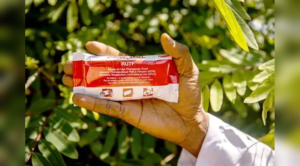
As of 31 March 2023, 30 cases are hospitalized. These are admitted at: Beitbridge District Hospital CTC (21) in Mat South Province, Chimanimani District (2), Mutasa District (1) in Manicaland Province, Chidodo (3) Mbire District in Mash Central Province and Chinengudu CTC Chegutu District (3) in Mash West Province. The number of tests that were done on March 31 were 211 RDT, 53 RDT positive (25.1 % positivity) and Culture 181 culture done, 52 culture positive (29.1 % positivity).
As at March, 31, 2023, Zimbabwe had recorded 309 suspected cholera cases, 52 confirmed
cases, 272 recoveries & 2 Deaths.
Meanwhile, Community Working Group of Health (CWGH) Executive Director, Mr Itai Rusike called City authorities to take the issue of water and sanitation seriously before the situation blows out of proportion.
“The increase in uncollected urban waste is a matter of concern to many communities, and a source of disease transmission. Bill payments from residents include an earmarked portion for waste collection and these funds should be ring-fenced, protected and fully used for waste collection,” said Mr Rusike.
He added that the persisting and recurrent outbreaks of cholera gives a poor reflection of health and development status of the country.
“The threat and risk of cholera outbreaks exists for as long as the conditions for transmission persist. Therefore CWGH, is still encouraging boiling of water at household level and treatment of water using treatment chemicals where possible. We appeal to the urban local authorities to collect garbage regularly, and to treat water and sewage effectively. Communities should appreciate the importance of food and personal hygiene and especially promoting hand washing.
“The cholera hot-spot areas and those struggling to deal with the cholera scourge should seriously consider introducing the cholera vaccine but the vaccine should remain a complimentary measure and not a replacement to the Water Sanitation and Hygienic interventions and these need to be implemented even as the population receives vaccination.”
He also said the cholera outbreak of 2008-2009 was a marker of the need for investment in water and sanitation infrastructure.
“In order to address the public health issues surrounding cholera outbreaks, there was need to organize massive clean-up of public markets and stopping illegal vending of food in undesignated areas. Waste management should be enhanced by responding to all sewer system blockages and spillage as a matter of urgency and clearing illegal dumpsites.”
He added that Zimbabwe needs to strengthen the Primary Health Care principles and the laws regarding public health which explicitly state that communities have a big role to play in public health but they need an enabling environment for them to do so effectively.
“In view of the ongoing and persisting cholera outbreaks, communities are encouraged to visit their nearest health facilities for any diarrhoeal illness for early treatment. Treatment of water at the point of use by boiling or using aqua tablets remains important looking at the continued failure by the urban local authorities to avail adequate safe water.”