By Michael Gwarisa
The world promised never again after COVID-19. But the most important part of that promise, the Pathogen Access and Benefit Sharing (PABS) annex, remains unfinished. WHO and Brazil are now urging G7, G20 and BRICS leaders to “finish what we started” before the next pandemic strikes.
The World Health Organization and the Government of Brazil have issued a joint appeal to global leaders, urging them to “finish what we started” by finalising the remaining piece of the WHO Pandemic Agreement, warning that the world remains dangerously exposed to the next health emergency.
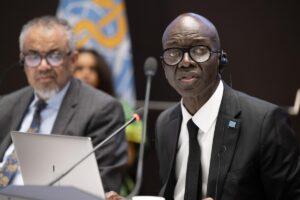
In an open letter addressed to leaders of the G7, G20 and BRICS countries, WHO Director-General Dr Tedros Adhanom Ghebreyesus and Brazilian President Luiz Inácio Lula da Silva called for urgent political action to conclude negotiations on the Pathogen Access and Benefit Sharing annex, known as PABS.
“We write to you together, from Geneva and from Brasília, with one shared conviction: that the world must finish what it started,” the leaders said.
The appeal comes as countries prepare for another round of negotiations in July, where diplomats are expected to attempt to finalise the remaining technical and political disagreements.
The WHO Pandemic Agreement was adopted more than a year ago following the COVID-19 pandemic, which claimed an estimated 20 million lives globally and exposed deep inequalities in access to vaccines, diagnostics and treatments.
“We begin not with an institution or an annex, but with a memory the whole world shares,” the letter reads. “Not so long ago, our hospitals overflowed. Families said goodbye to the people they loved through glass, or by telephone, or not at all.”
The leaders said the world had already fulfilled part of its promise by agreeing on the broader framework of the Pandemic Agreement, but warned that the most critical component remains unresolved.
That missing piece, the PABS annex, is designed to regulate how countries share pathogen data and biological materials, and how benefits such as vaccines and treatments are distributed during future outbreaks.
Without it, WHO warned, the agreement cannot enter into force.
“To respond to future pandemics in time, countries must be able to quickly identify pathogens with pandemic potential and share their genetic information and material,” the letter states.
Dr Tedros and President Lula stressed that the remaining disagreements were not technical alone, but political, requiring leadership at the highest level.
“This is one of those moments, and it is yours,” they wrote to world leaders.
They warned that delays could leave the world exposed to another global health crisis, pointing to scientific estimates suggesting a significant probability of another pandemic within the next decade.
The letter also addressed concerns from some countries that the agreement could infringe on national sovereignty, insisting that it would not.
“Nothing in the Agreement gives WHO any authority to direct or alter a country’s laws or policies,” the leaders said, adding that decisions on lockdowns, travel restrictions and vaccination mandates would remain with sovereign governments.
Equity remains one of the most contentious elements of the negotiations, with countries in the Global South pushing for guarantees that vaccines and treatments developed from shared pathogens will be accessible to all.
“The PABS system rests on a simple, fair bargain: those who share dangerous pathogens quickly must be able to trust that the vaccines and treatments born from that sharing will reach their own people too,” the letter states.
Brazil, which held the G20 presidency in 2024, has previously pushed for global recognition of inequality as a driver of pandemic vulnerability.
The leaders said the system would also bring predictability to global health security, replacing ad hoc arrangements with a stable framework for future crises.
Negotiators are expected to reconvene from 6 to 17 July, with mounting pressure to conclude the text.
Dr Tedros and President Lula urged governments to treat the July session as a decisive moment.
“We ask you to treat 17 July as a deadline, not a milestone,” they wrote.
They warned that delays would have real world consequences, recalling that COVID-19 caused trillions of dollars in economic losses and disrupted education, livelihoods and health systems worldwide.
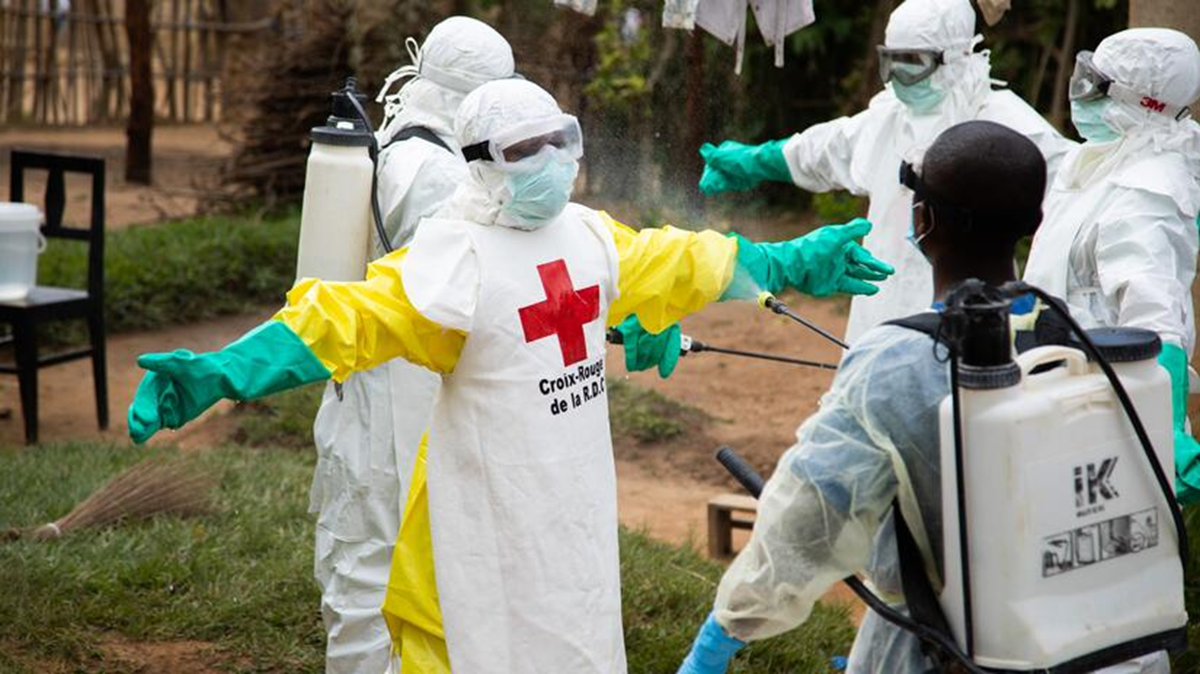
At the same time, outbreaks such as Ebola continue to highlight ongoing gaps in global preparedness, particularly in vaccine access and rapid response systems.
The letter concludes with a reminder of past global health achievements, including the eradication of smallpox and near elimination of polio, arguing that finishing the Pandemic Agreement would continue that legacy.
“We made a promise to the millions we lost,” the leaders wrote. “Let us be the generation that keeps that promise.”
As negotiations resume, the message from Geneva and Brasília is clear: the world has already agreed on the architecture of pandemic preparedness. What remains is political will to complete it.