Kuda Pembere in Bulawayo
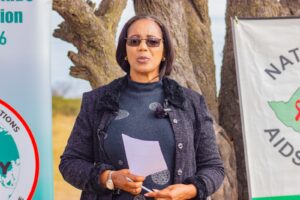
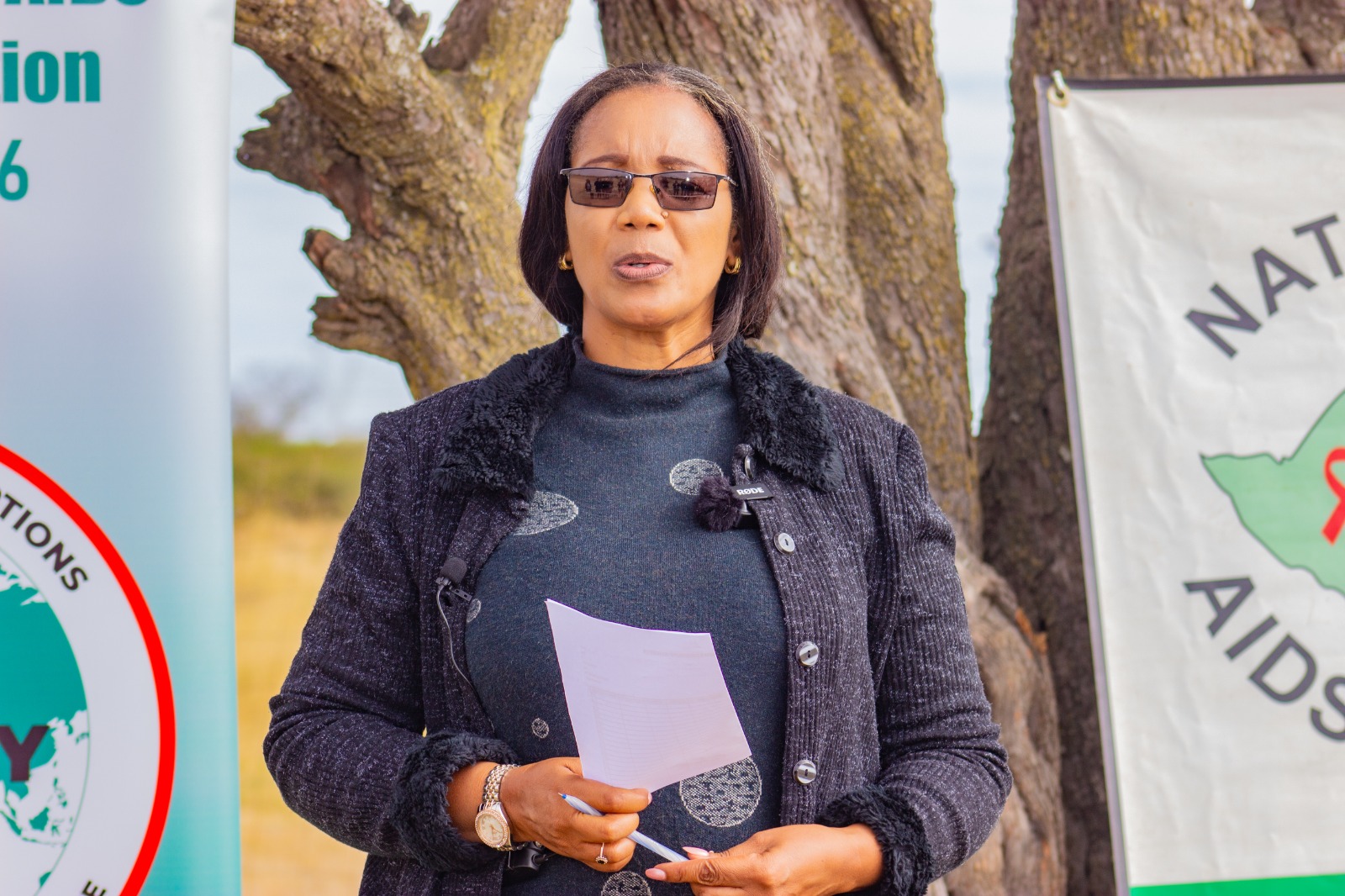
A rise in sexually transmitted infections (STIs) among young people aged between 10 and 24 years is prompting the National AIDS Council (NAC) to intensify HIV prevention programmes in Magwegwe District, one of Bulawayo’s areas with identified HIV hotspots.
For NAC programming purposes, Magwegwe District encompasses Magwegwe, Pumula and Lobengula suburbs and serves an estimated population of about 150,000 people.
Magwegwe District AIDS Coordinator Kenneth Ncube said data collected from health facilities between 2023 and 2025 showed a concerning increase in STI infections among adolescents and young adults, a trend that health officials consider a key indicator of HIV transmission risk.
“If you look at the data that we are collecting from our health centres, one of the most important indicators that proxies HIV infections is sexually transmitted infections,” said Ncube.
“In other words, where we are seeing an increase in sexually transmitted infections, we suspect there is also an increase in HIV infections because STIs are easier to detect and therefore guide our planning and programming.”
According to NAC data, the highest burden of STI infections is concentrated in the 10 to 24 and 25 to 49 age groups. However, adolescents and young adults account for much of the recent increase.
“Looking at the Magwegwe programme data from 2023 to 2025, there are hardly any STIs in the age bands zero to nine and 50 years and above. However, there are many such infections in the 10 to 24 and 25 to 49 age bands,” said Ncube.
“The 10 to 24 age group contributes largely to the increases in the number of sexually transmitted infections, while the 25 to 49 age band, though contributing significantly, is hardly responsible for the increase.”
Ncube attributed the trend to risky sexual behaviour, experimentation and low risk perception among young people.
“The cause is more of risky behaviour, low-risk perception and experimenting. When these young people start engaging in sexual activity, they are mostly interacting with their peers,” he said.
The findings come as NAC has identified Old Magwegwe and Old Pumula as some of the district’s HIV hotspots based on data gathered through testing programmes, attendance registers and community interventions.
“If you go to our registers, you will find that these are the areas with bigger HIV prevalence. You can tell from the attendance registers who the people we are supporting are and where they are coming from,” said Ncube.
“We are testing people, we are getting HIV-positive cases, and they are coming from those areas. That directs us to say those are our hotspots.”
He said the higher HIV burden is linked largely to socio-economic conditions rather than the age of the suburbs.
“It has nothing to do with them being old locations. It is more about the higher population density and the kind of social conditions found there,” he said.
“If you have a higher population density, you also tend to have cheaper accommodation, and that attracts people who may be more vulnerable because of economic hardships and limited access to services.”
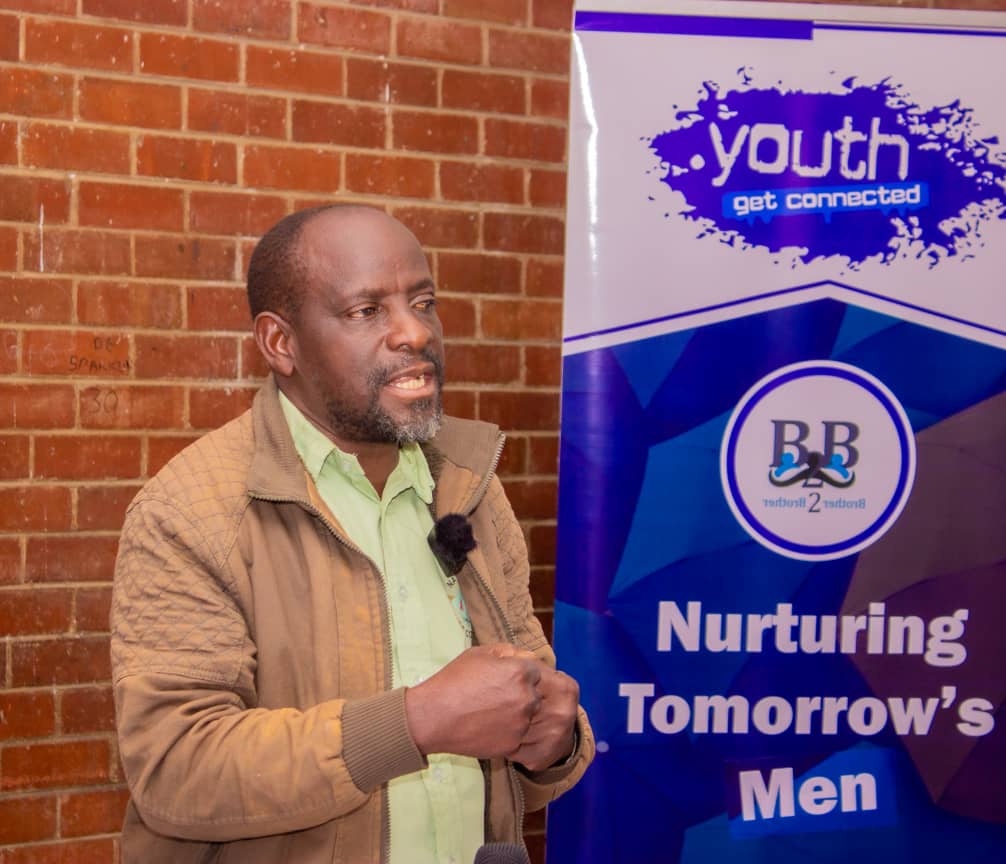
In response, NAC has scaled up targeted interventions, including the Brother-to-Brother Programme, a mentorship initiative aimed at adolescent boys and young men aged between 10 and 24 years.
The programme, implemented by youth organisation .Youth through a social contracting arrangement with NAC, seeks to equip young men with sexual and reproductive health knowledge, life skills and mentorship to reduce risky behaviours associated with HIV and STIs.
Ncube said the initiative was informed by HIV testing data showing higher HIV positivity rates among boys than girls in the district.
“You will realise that if you look at HIV positivity rates measured from our health centres, boys have higher HIV positivity rates than girls. That is why we give the Brother-to-Brother programme a higher priority,” he said.
The district also continues to face challenges related to male involvement in prevention of mother-to-child transmission programmes and gender-based violence, issues health officials believe can be addressed through interventions targeting boys and young men.
Director of .Youth, Vezimpilo Ncube, said the programme focuses on empowering young men with life skills and sexual and reproductive health information while encouraging positive health-seeking behaviour.
“Mainly, the project seeks to empower adolescent boys and young men within their communities on sexual and reproductive health rights. It also seeks to give them life skills training and help them cope with life challenges so that they can contribute effectively to a better Zimbabwe,” she said.
For mentor Jezreel Somandla Mpofu, the programme is already making a difference in communities where drug and substance abuse, crime and gang activity remain significant concerns.
“There is a lot of gangsterism and drug abuse in this area and many young men can easily find themselves in prison because of crime and drugs. But through the Brother-to-Brother programme, we have seen boys coming forward to attend programmes at the centre and participate positively in community activities,” he said.