By Michael Gwarisa
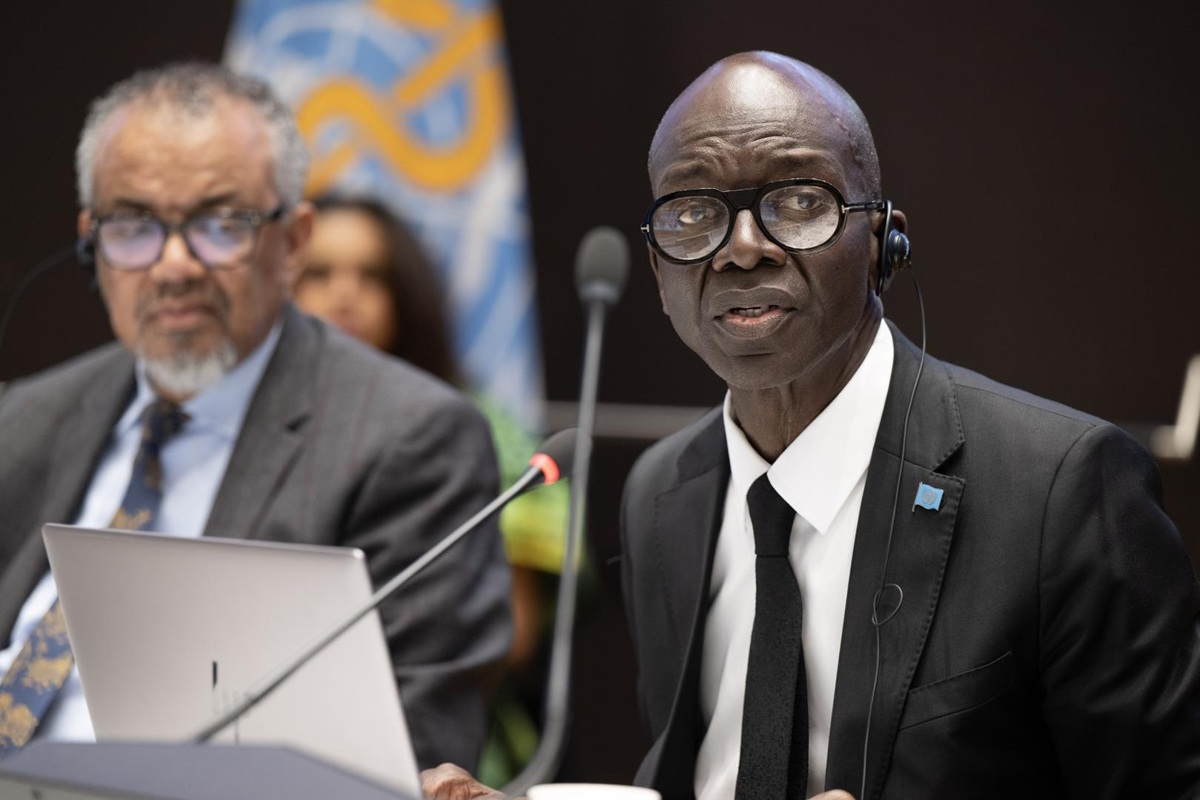
As the world commemorates World Blood Donor Day 2026, the World Health Organization (WHO) Regional Director for Africa, Prof Mohamed Yakub Janabi, has called for stronger investment in blood services across the continent, warning that demand for safe blood continues to outpace supply.
In his World Blood Donor Day message, Prof Janabi praised voluntary blood donors and urged governments, health professionals, and communities to strengthen efforts to ensure universal access to safe blood.
This year’s commemoration is being held under the theme: “One Drop of Humanity. Give Blood. Save Lives.”
“Every blood donation reflects the essence of our common humanity, solidarity, compassion, and care for one another,” Prof Janabi said.
He noted that thousands of patients across Africa depend on blood transfusions every day, including women experiencing childbirth complications, children suffering from severe malaria and anaemia, road traffic accident victims, and people living with chronic illnesses.
“For each of them, safe blood is not optional, it is essential to survival,” he said.
Prof Janabi said access to safe blood and blood products remains central to building resilient health systems and achieving universal health coverage.
He acknowledged progress made across the African Region over the past two decades, revealing that annual blood donations increased from approximately 2.2 million in the early 2000s to nearly 7 million in 2023. He added that close to seven in every ten donations now come from voluntary, unpaid donors.
The WHO Regional Director also noted that many countries have strengthened national blood systems through dedicated policies, plans, and structures within ministries of health.
Despite these gains, Prof Janabi said major gaps remain.
“The need continues to outpace supply,” he said, adding that the African Region collects an average of only six blood donations per 1,000 people, far below what is needed to meet basic healthcare demands.
He also stressed the importance of maintaining safe blood supplies through robust screening systems.
“Ensuring safety is equally critical,” Prof Janabi said, noting that while most countries screen donated blood for infections including HIV, hepatitis and syphilis, coverage remains uneven.
He highlighted ongoing challenges including low numbers of regular voluntary donors, limited infrastructure and resources, and misinformation and cultural beliefs that discourage blood donation.
Calling for collective action, Prof Janabi urged governments to prioritise investment in national blood programmes while encouraging communities to support blood donors and promote regular donation.
“Because when we give blood, we give more than a medical resource, we give hope, dignity, and the promise of a healthier future for all,” he said.