By Michael Gwarisa
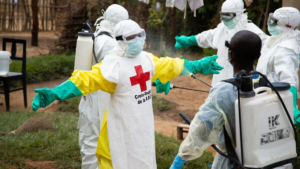
The current outbreak of Bundibugyo Ebola virus disease (BVD) in the Democratic Republic of Congo (DRC) has become the largest ever recorded since the strain was first identified nearly two decades ago, according to data from Africa CDC. As of June 9, 2026, the outbreak had recorded 635 confirmed cases and 127 deaths, eclipsing previous outbreaks caused by the same virus strain.
When Bundibugyo ebolavirus was first detected in Uganda’s Bundibugyo District in 2007, health authorities recorded 56 confirmed cases and 37 deaths. Five years later, the DRC reported 59 confirmed cases and 38 deaths during another outbreak linked to the same strain. Together, those outbreaks accounted for just 115 confirmed cases, less than one-fifth of the infections recorded in the current epidemic.
“This outbreak, the current one,” said Dr. Jean Kaseya, the Africa CDC Director General, “is almost five times what we saw in Uganda, and 17 times what we had in DRC in 2012. The burden of the current outbreak is exceeding the two Bundibugyo outbreaks that we know from the past.”
The scale of the current outbreak has surprised public health experts. Africa CDC data shows the epidemic is approximately 4.9 times larger than the 2007 Uganda outbreak and 17 times larger than the 2012 DRC outbreak, making it the largest Bundibugyo Ebola outbreak ever documented.
Kaseya said the outbreak’s rapid geographic expansion is one of the clearest signs that transmission remains far from under control. When health authorities first declared the outbreak on May 15, cases were confined to three health zones in a single province. Within a week, the virus had spread to 11 health zones across three provinces. Five days later, the number of affected health zones had risen to 14. By June 7, the outbreak had reached 27 health zones, nearly doubling its footprint in just 10 days.
According to Kaseya, the pace of expansion demonstrates how quickly the virus is moving through communities, particularly in densely populated mining areas where frequent movement of people creates ideal conditions for transmission.
“The number of health zones affected doubled in just 10 days,” Kaseya said, warning that the outbreak continues to spread faster than responders can fully contain it.
Ituri Province remains the epicentre of the outbreak, accounting for 92 percent of confirmed cases and 74 percent of all reported deaths. Of the more than 600 confirmed cases recorded in the province, 104 people have died, underscoring the severity of the crisis.
The biggest concern, however, remains contact tracing, one of the most important tools for breaking chains of Ebola transmission.
Kaseya explained that health experts would ordinarily expect each confirmed Ebola patient in a high-density setting such as Ituri to have between 20 and 40 contacts requiring monitoring. Based on the current caseload, authorities estimate there could be as many as 24,000 people who should be on the contact list. Yet fewer than 5,000 contacts have been identified in Ituri, and only a fraction of those are being actively monitored.
He said the gap between the number of expected contacts and those actually under surveillance presents one of the greatest risks to the response, as undetected contacts can continue transmitting the virus within communities.
Africa CDC figures show that only 6,022 contacts have been listed across the affected areas in the DRC and Uganda, despite estimates suggesting the true number could range between 12,700 and 25,400. Of those identified, only 4,336 are currently under active follow-up, representing between 17 and 34 percent of the contacts health authorities believe should be under surveillance.
“If we don’t reach out to all these people, if we don’t put them on the list and follow them, there is a huge risk of transmission being sustained in the community,” Kaseya said.
He added that the situation is further complicated by the presence of confirmed Ebola patients who have not yet been admitted to treatment facilities and remain within communities, increasing the likelihood of continued spread.
For Africa CDC, improving surveillance, expanding laboratory capacity and strengthening risk communication efforts have therefore become central pillars of the response. Kaseya said health authorities are working closely with community leaders to improve public awareness and encourage cooperation with contact tracing teams, warning that controlling the outbreak will remain difficult unless more potential contacts are identified and monitored.
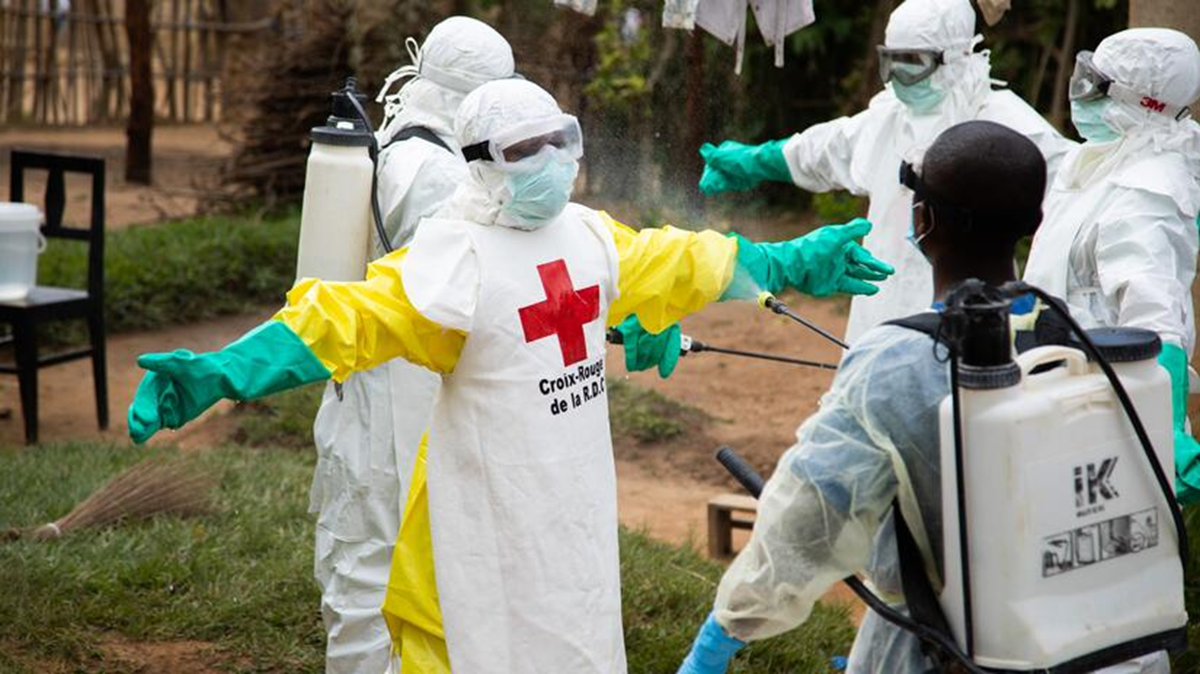
The outbreak is also exposing weaknesses in safe and dignified burial services, a critical component of Ebola control. Africa CDC estimates that Ituri Province currently has only 14 percent of the burial teams required to safely manage Ebola-related deaths.
The province requires 49 burial teams but currently has only seven available. Authorities have also identified a shortage of 91 vehicles and 456 trained personnel needed to support safe burials and decontamination activities. Public health experts warn that such gaps increase the risk of unsafe burial practices, which have historically played a significant role in fueling Ebola transmission.
Beyond the operational challenges, the outbreak data provides insight into who is being affected most. Women account for a slight majority of infections, representing 54 percent of confirmed cases. However, men are dying at a higher rate, with a case fatality rate of 26.1 percent compared to 17.9 percent among women.
Adults aged between 15 and 44 years account for more than 60 percent of all confirmed infections, making them the most affected age group. The findings suggest that the outbreak is having its greatest impact on economically productive members of society, particularly those engaged in trade, mining and other activities that involve frequent movement and close social interaction.
Complicating the response further is the absence of a licensed vaccine or therapeutic specifically designed for Bundibugyo ebolavirus. Unlike outbreaks caused by the more common Zaire strain of Ebola, for which vaccines and treatments are available, containment of the current epidemic relies heavily on traditional public health interventions such as surveillance, infection prevention and control measures, isolation of cases, contact tracing and community engagement.
The growing scale of the outbreak has prompted Africa CDC and its partners to mobilise substantial resources. A response and preparedness plan covering the DRC, Uganda and several neighbouring high-risk countries is expected to cost more than US$517 million. The funding will support surveillance, laboratory systems, clinical care, community engagement, logistics and preparedness activities across the region.