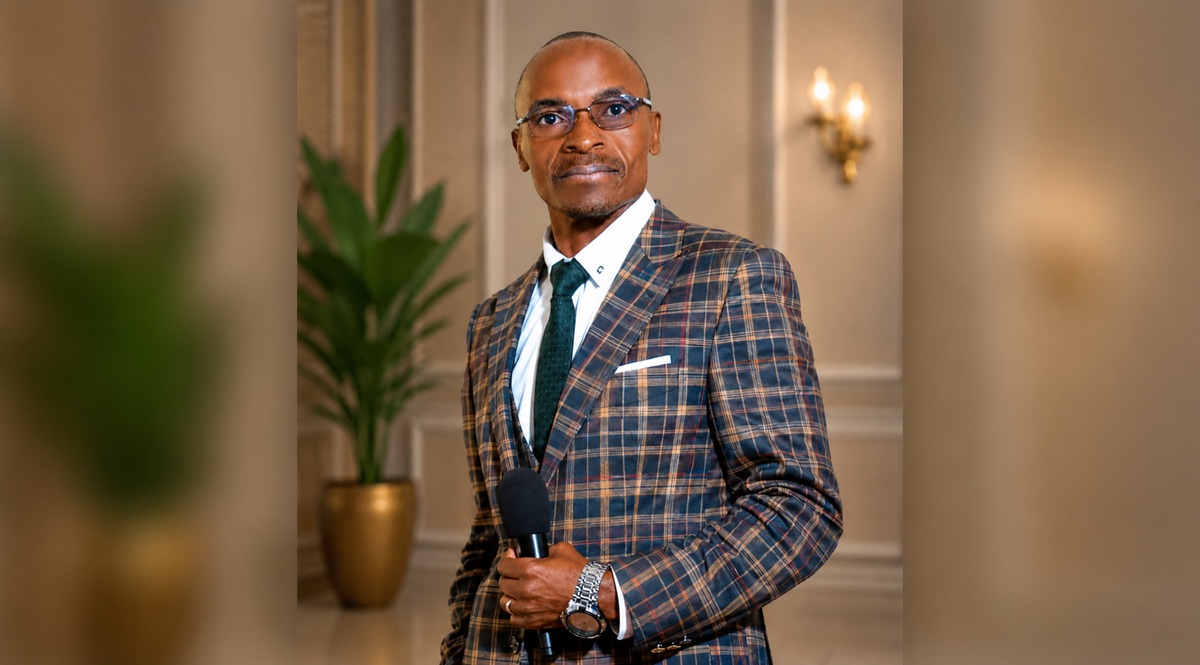
By Chaplain Simbarashe P. Chenjerai
As the world marks Men’s Health Month and reflects on the contribution of men during June, 21 June presents an important opportunity to acknowledge the often-overlooked role that men continue to play in society.
Throughout history, men have served as providers, protectors, builders, innovators, leaders, mentors and custodians of family heritage. Whether in homes, workplaces, churches, communities or national institutions, men have consistently contributed to the advancement of society through sacrifice, resilience and service.
However, while much is expected from men, little is often said about the burdens they silently carry.
Modern society frequently views men through the lens of responsibility. Men are often expected to provide financial security, offer protection, lead families, support extended relatives, withstand hardships and remain emotionally strong even during personal crises. While these expectations reflect admirable qualities, they can also create immense pressure on men, many of whom feel obligated to endure suffering in silence.
Many men wake up every morning carrying responsibilities that affect not only themselves but entire families. Their decisions influence spouses, children, siblings, parents, employees, congregations and communities. Yet despite these responsibilities, appreciation is often limited and support systems may be inadequate.
In occupational health and organisational psychology, prolonged exposure to such pressures has been associated with stress-related disorders, burnout, anxiety, depression and reduced overall wellbeing. The expectation that men must always remain strong can discourage them from seeking help when they need it most.
The State of Men’s Health
One of the most significant issues affecting men globally is the underutilisation of healthcare services.
Studies consistently show that men are less likely to seek preventive healthcare or attend routine medical screenings. As a result, many serious conditions are often detected only after they have progressed.
Among the major health concerns affecting men are:
• Hypertension (High Blood Pressure)
• Prostate Enlargement and Prostate Cancer
• Diabetes Mellitus
• Cardiovascular Diseases
• Musculoskeletal Disorders
• Mental Health Challenges
• Occupational Injuries
• Substance Abuse Disorders
Public health practitioners continue to emphasise the importance of preventive healthcare measures, including regular medical check-ups, blood pressure monitoring, prostate examinations, physical exercise, proper nutrition, adequate hydration and quality sleep.
A healthy man is better positioned to support his family, contribute to economic productivity and participate meaningfully in community development. Investing in men’s health is therefore not merely a personal responsibility but a societal necessity.
Men’s Mental Health Deserves Attention
Mental health remains one of the least discussed aspects of men’s wellbeing.
Many men experience grief, financial pressure, unemployment, workplace stress, marital difficulties, bereavement and emotional exhaustion. Yet societal norms often discourage them from expressing vulnerability or seeking assistance. Mwana asingacheme anofira mumbereko.
As a result, countless men suffer silently.
The development of emotional intelligence, psychological resilience and healthy coping mechanisms should be encouraged among boys and men alike. Seeking counselling, mentorship, pastoral guidance or professional mental health support should never be viewed as weakness. On the contrary, it demonstrates courage, self-awareness and responsibility.
Families, churches, employers and community leaders must create safe environments where men can openly discuss their challenges without fear of ridicule or judgement.
Men and Economic Development
Men continue to play critical roles across numerous sectors of the economy, including engineering, agriculture, transportation, mining, manufacturing, security services, construction and infrastructure development.
Many of these occupations involve significant physical demands and exposure to operational risks. They require technical competence, strategic decision-making, leadership skills and strict adherence to safety standards.
Across Africa and the world, millions of men work long hours under challenging conditions to sustain households and support economic growth. Their labour contributes directly to national productivity, infrastructure development and community sustainability.
At the same time, economic uncertainty, inflationary pressures and employment challenges continue to place considerable strain on many men. This underscores the need for continuous skills development, entrepreneurship, professional advancement and economic empowerment initiatives.
The Importance of Fatherhood
One of the greatest contributions a man can make is positive fatherhood.
Research in developmental psychology has repeatedly demonstrated that children benefit significantly from the presence of engaged and responsible fathers. Positive father involvement contributes to improved educational outcomes, emotional stability, social development and self-confidence.
A father provides more than financial support. He offers mentorship, protection, guidance, discipline, wisdom and moral leadership.
As we celebrate men this month, we also honour fathers, grandfathers, stepfathers, mentors, teachers, coaches and community leaders who invest their time and experience in shaping future generations.
Strong fathers help build strong families, and strong families help build strong nations.
Valuing Men Beyond Their Utility
One challenge of contemporary society is the tendency to evaluate men primarily according to their productivity, earnings or ability to provide.
Yet every man possesses inherent dignity and value irrespective of his occupation, income level, age or social status.
Whether he is a farmer, mechanic, teacher, pastor, engineer, driver, entrepreneur, technician, retiree or student, every man deserves respect and recognition as a human being.
Men should not only be appreciated when they succeed or when they are useful to others. They should be valued because they are human beings created with purpose, potential and worth.
A Call for Balance
Recognising men’s challenges does not diminish the challenges faced by women, children or any other group. Rather, it strengthens society’s commitment to supporting the wellbeing of all people.
A balanced society acknowledges the struggles of everyone while promoting mutual respect, compassion and understanding.
As we celebrate men this June, let us encourage men to prioritise their health, seek support when necessary, invest in personal development and continue serving their families and communities with integrity.
Let us also encourage families, employers, faith-based organisations and policymakers to develop structures that support men’s physical health, mental wellbeing and economic participation.
Conclusion
Behind many successful families, thriving communities and developing nations are men whose sacrifices often go unnoticed.
Many have endured hardship quietly, worked tirelessly, carried responsibilities faithfully and continued moving forward despite adversity.
This June, let us pause to appreciate these men.
Let us celebrate their resilience.
Let us acknowledge their struggles.
Let us support their wellbeing.
And let us remind them that their contributions matter.
For when men are healthy, empowered and supported, families become stronger, communities become safer and nations become more prosperous.
Chero banga rikasapinza sei, razor haichekeswe nyama!
Chaplain Simbarashe P. Chenjerai
Disclaimer
Simbarashe P. Chenjerai is a freelance writer who writes in his personal capacity. The views and opinions expressed in this article are his own and do not necessarily represent those of any organisation, institution, employer or affiliated body.
About the Author
Simbarashe P. Chenjerai is:
• An Ordained Pastor and Certified Chaplain
• An Author
• A Human Capital Developer
• A Counsellor
• A Communicator
Contact Details:
Call/WhatsApp: +263 772 889 002
Email: chaplainspchenjerai@gmail.com