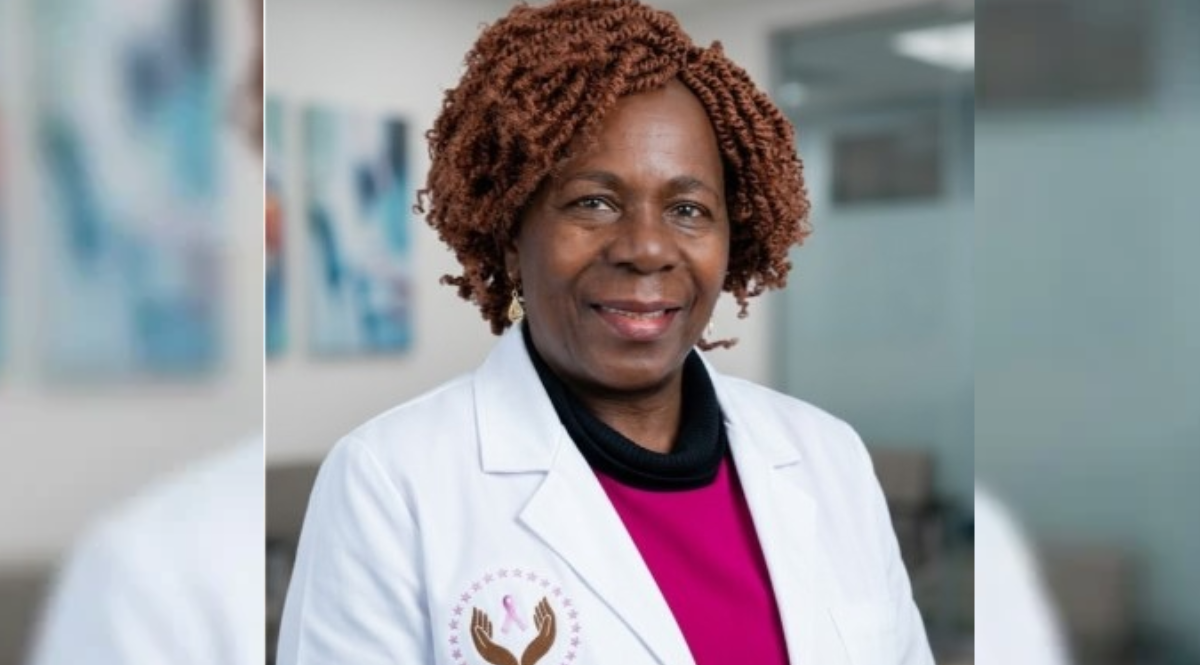
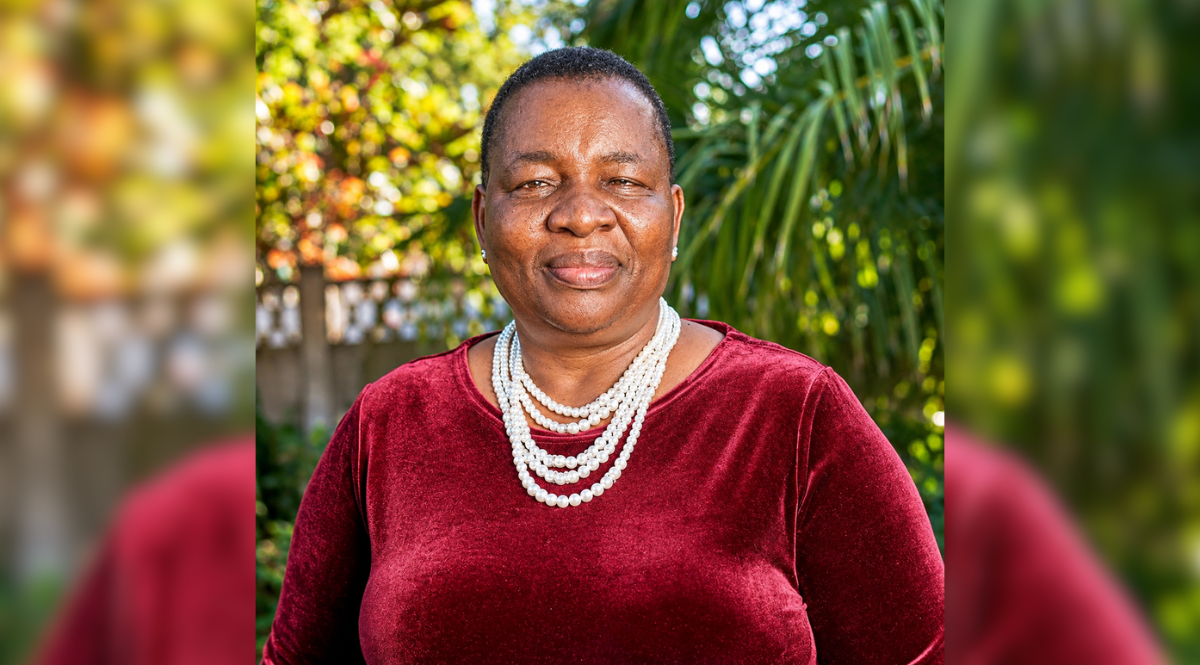
By Barbara Marufu | Breast Cancer Survivor
My breast cancer journey began with something so small that I could easily have ignored it.
One day in 2003, I was at home watching television after a long drive. I was tired, and as I sat there, I happened to feel a very small lump in my breast.
There was no pain. I had no other symptoms. Nothing about me suggested that I was sick.
The following day, I went to see a doctor. After examining me, the first doctor reassured me that there was nothing to worry about and suggested that it could be picked up at my next appointment for a mammogram.
But something inside me was not satisfied.
I was worried, so I sought a second opinion that same day. That doctor referred me to a surgeon, who performed a lumpectomy.
The results changed everything.
The lump was cancerous.
I remember telling myself that this too would pass. I did not break down when I heard the diagnosis. But when I had to tell my husband and children, the seriousness of what I was facing began to sink in.
Even then, I held on to my faith.
I believed that God is the one who gives life, and that belief helped me focus on the next step rather than allowing fear to take over.
I underwent treatment and continued working as a teacher. My life did not simply stop because I had been diagnosed with cancer. But emotionally, it was not always easy.
There were good days and bad days. I was on an emotional roller coaster, with moments when I felt strong and others when I felt low.
The fear of being seen differently
One of my biggest challenges was accepting the diagnosis itself and then deciding who I should tell.
I did not want everyone to know that I had breast cancer.
I lost my hair during treatment, but I wore a wig because I wanted people to see me as a normal person. I was afraid of being judged and of the stigma that surrounded cancer.
I remember having an argument with my husband about this because he would tell people that I had breast cancer. For me, it was not pleasant. I wanted to keep the diagnosis private and only let people at my workplace know because I was frequently taking leave for treatment and then returning to work.
That became my routine.
I would leave work for treatment and then come back.
I did not want breast cancer to become the only thing people saw when they looked at me.
Treatment also meant travelling between home and Harare, and the costs were not easy. Fortunately, at the time, in 2003, I had medical aid that covered most of my treatment. There were occasions when we had to pay cash and wait to be reimbursed after the assessment.
I was also fortunate not to experience some of the symptoms that affect other patients, such as severe nausea.
For the most part, I was able to continue working.
Then, nine years later, it came back
I thought I had put breast cancer behind me.
But in 2012, the doctors discovered that some of my lymph nodes were inflamed. They were removed and tested.
The results were positive for cancer.
That devastated me.
I had believed that because I had completed treatment, I would be okay. Suddenly, I was facing the disease again.
I had to sit down with my oncologist and talk about how much the recurrence had affected my trust in the treatment I had received.
The treatment that followed was also difficult.
After four cycles, I became extremely sick. There was a time when I could not walk and suffered severe constipation. I went back to my oncologist, only to be told that I was expected to undergo another four cycles.
It was a very difficult period.
But once again, I found myself looking for ways to cope physically, emotionally and spiritually.
Support made a difference
Looking back, I realise that one of the reasons I was able to remain emotionally stable was the support I received from the people closest to me.
My husband stood by me throughout the journey. He accompanied me to my appointments and remained present through the difficult moments.
My children were there for me. So were my friends and extended family.
That support was a blessing.
I had heard stories from other women about how breast cancer had affected their marriages and families. Some relationships changed, and some women ended up divorced.
For me, my husband continued to treat me as the same person he had always known.
That made a tremendous difference.
Financially, my medical aid helped significantly. We also had a friend in Harare where we could stay during treatment, which made travelling for care much easier.
I could miss work for a few days and return.
That support system helped me continue living my life while undergoing treatment.
Finding another way to cope
During that difficult period, my friend Farise introduced me to a medical doctor, Michelle Stridholm, who had written a book titled There Is No Disease Which Is Incurable.
She spoke to me about the importance of having a good relationship with God, with ourselves and with other people. She also talked to me about food, rest and sleep.
I began paying much more attention to what I ate and to giving my body time to rest. I went through a period of juicing vegetables and avoiding meat for about 90 days.
For me, those changes became part of how I tried to take care of myself during a very difficult period.
I also learned that looking after yourself is not only about treatment. It is about the way you approach your life, your relationships, your emotional wellbeing and your faith.
Turning my experience into support for others
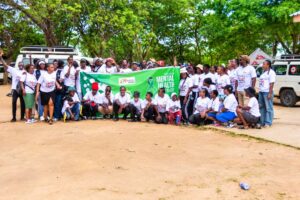
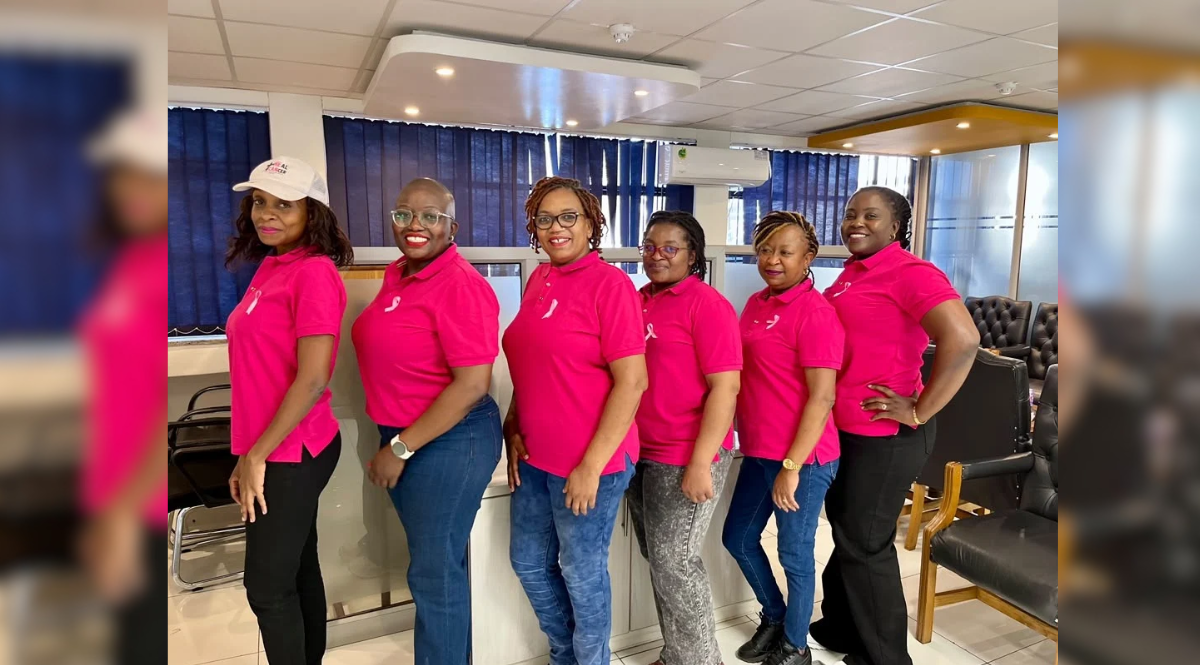
My experience eventually made me realise that no woman should have to walk this journey alone. Together with my friend Paris, I am involved in a support group for breast cancer survivors, patients, caregivers and families affected by the disease.
We started because we understood how lonely the journey can be.
When people hear the words “breast cancer”, many immediately think of death. The fear can be overwhelming. The journey can be emotionally draining, not only for the patient but also for the family.
But support can make a difference.
Today, I want women to know that a breast cancer diagnosis does not mean that they should lose hope. I encourage women to go for screening, to pay attention to changes in their bodies and to seek medical attention early. I also encourage families and friends to support those going through treatment. Treat them as people, not as their disease.
My faith has remained at the centre of my journey. I continue to believe that God is able, and that there is nothing impossible with Him.
One of the words I hold on to is: “I will not die, but live to declare the goodness of God.”
That is also why I continue speaking about breast cancer. If my story can encourage another woman to check a lump, seek medical attention, go for screening or simply realise that she is not alone, then sharing my experience is worthwhile.
I am now working on a book about my journey, which is in the final stages of publication.
What began in 2003 with a small, painless lump became a journey I never expected.
But it also became a journey of faith, resilience, support and, ultimately, a reason to help other women face breast cancer with greater knowledge and hope.