By Kuda Pembere
Parirenyatwa Group of Hospitals has graduated 237 nurses, including 160 specialist nurses, as Zimbabwe seeks to strengthen its healthcare workforce and expand access to specialised services.
The graduates completed training in disciplines ranging from general and community nursing to ophthalmic, oncology, renal, intensive care and operating theatre nursing, as well as midwifery and anaesthetic nursing.
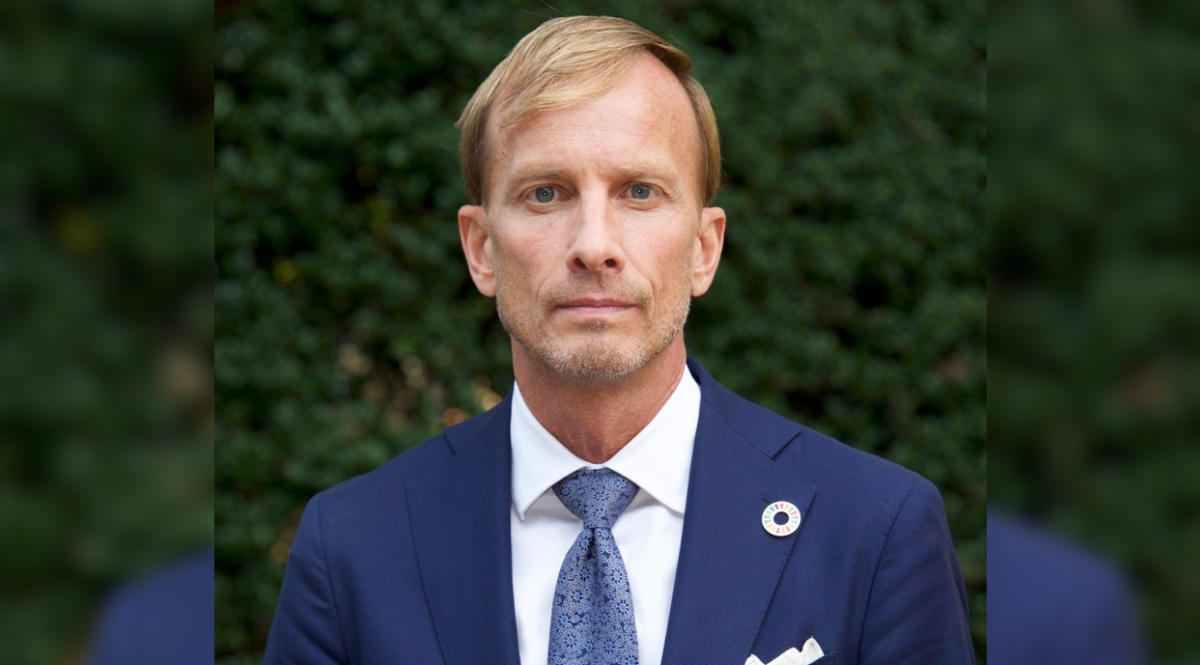
Officiating at the graduation ceremony on Tuesday, Health and Child Care Ministry Secretary Dr Aspect Maunganidze said the graduates were entering a profession with one of society’s greatest responsibilities: caring for human life.
He commended the hospital’s leadership, principal tutors and clinical instructors for sustaining 11 nursing programmes and maintaining the institution’s training mandate.
Maunganidze said nurses needed to adapt to a changing healthcare environment marked by emerging diseases, a growing burden of non-communicable diseases and persistent threats from illnesses such as cholera and typhoid, as well as mpox.
“Technology can help us monitor patients and improve clinical decisions, but it will never replace the human touch,” he said.
He said nurses played a central role in the health system by reassuring patients, recognising their fears and protecting their dignity.
The ministry secretary said Government’s ambition to expand the health workforce by more than 50,000 professionals by 2030, effectively doubling the workforce, needed to be matched by quality training, specialist skills and supportive working conditions.
The expansion is part of the country’s broader development ambitions under Vision 2030 and the National Development Strategy 2, which runs from 2026 to 2030.
Maunganidze urged nurses to uphold professional ethics, maintain confidentiality, keep accurate records and observe infection prevention measures.
“We reject negligence, we should reject discrimination, and we should reject corruption,” he said.
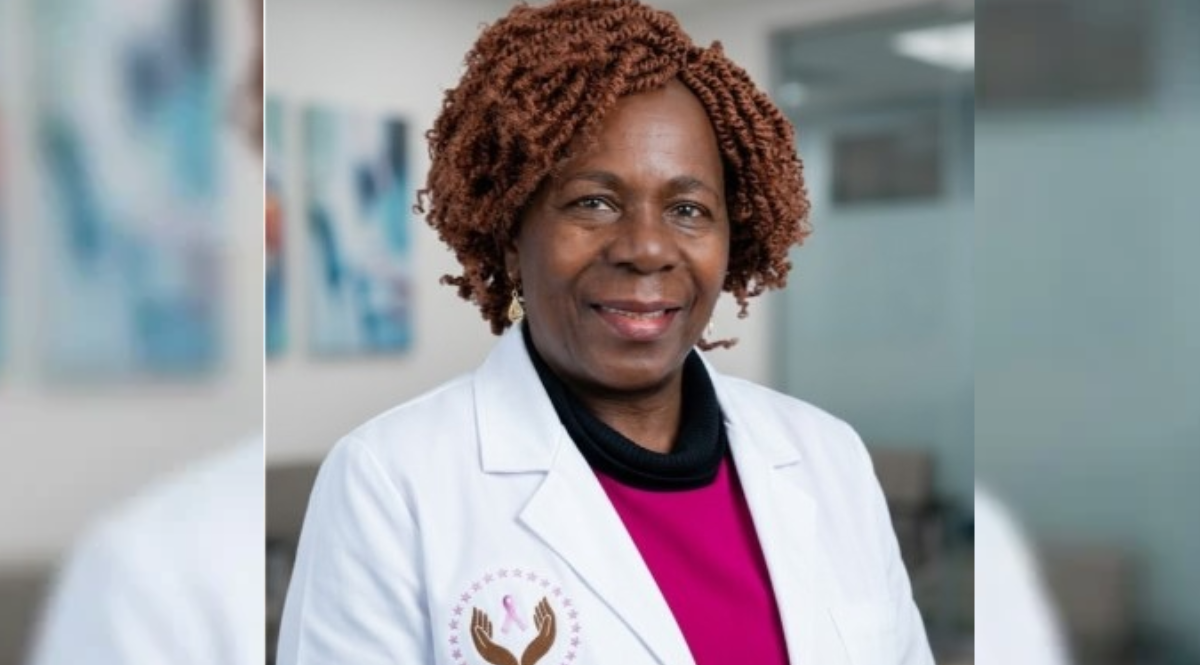
Parirenyatwa Group of Hospitals chief medical officer Dr Tsitsi Magure said the institution was committed to establishing its School of Nursing as a leading centre for specialist nursing education.
Magure said the 237 graduates comprised 77 general nurses and 160 specialist nurses, trained in programmes intended to meet Zimbabwe’s increasingly complex healthcare needs.
She said the institution’s training programmes continued to attract students from across the region, strengthening Parirenyatwa’s reputation as a centre for specialist nursing education.
“As Zimbabwe advances towards Vision 2030, we recognise that modern infrastructure and sophisticated medical technologies alone cannot transform healthcare,” she said.
“It is the skilled hands, knowledgeable minds, and compassionate hearts of our healthcare professionals that ultimately make the difference.”
Magure said the hospital would continue supporting the decentralisation of specialist services and improving access to quality healthcare across the country.
Principal tutors Mrs Musvipa, Ms Longwe and Mrs Pabwaungana, giving an overview of nurse training at the hospital, said their schools had achieved a 100 percent pass rate.
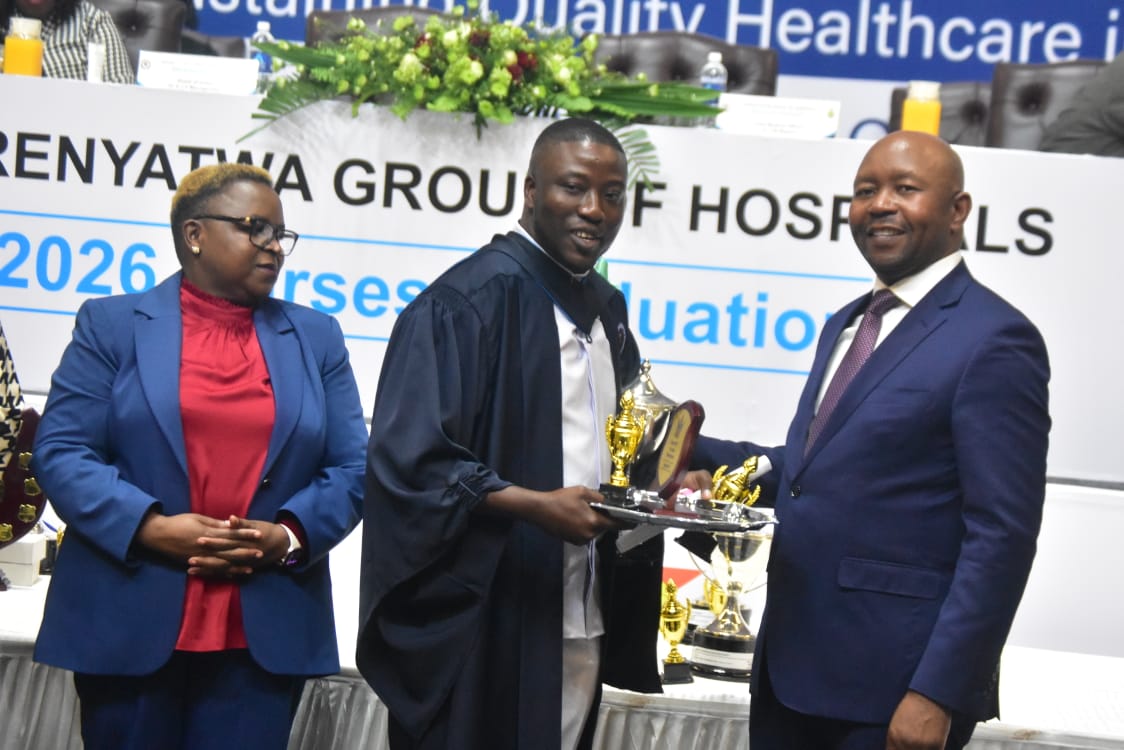
Among the graduates was Meluleki Mpofu, an ophthalmic nurse based at Esigodini District Hospital in Umzingwane District, Matabeleland South, who was named the Best Ophthalmic Nurse for 2025.
Mpofu said he pursued the ophthalmic nursing diploma after identifying a shortage of eye care services in his district.
“Firstly, it is my passion and secondly, I realised that in our district, at the time I applied for the course, there was no ophthalmic nurse. I realised there was a gap, especially in eye care services in the community. So I had a zeal to cover that gap,” he said.
He said graduating as an ophthalmic nurse was a major milestone and that being recognised as the best student had reinforced his responsibility to provide professional and compassionate care.
Mpofu credited his tutors for their commitment and patience, which he said helped the students achieve a 100 percent pass rate in ophthalmic nursing.
He said he hoped to use his specialist training to help address the shortage of eye care services in the communities served by his district hospital.