
By Michael Gwarisa
For many people, the words palliative care immediately bring to mind the final days of life. It is often associated with patients for whom doctors have run out of treatment options and families are preparing for the worst.
But for people living with breast cancer, particularly those dealing with advanced or metastatic disease, palliative care means something much broader.
It is about pain relief, symptom control, emotional support, dignity and helping patients and their families navigate one of the most difficult periods of their lives.
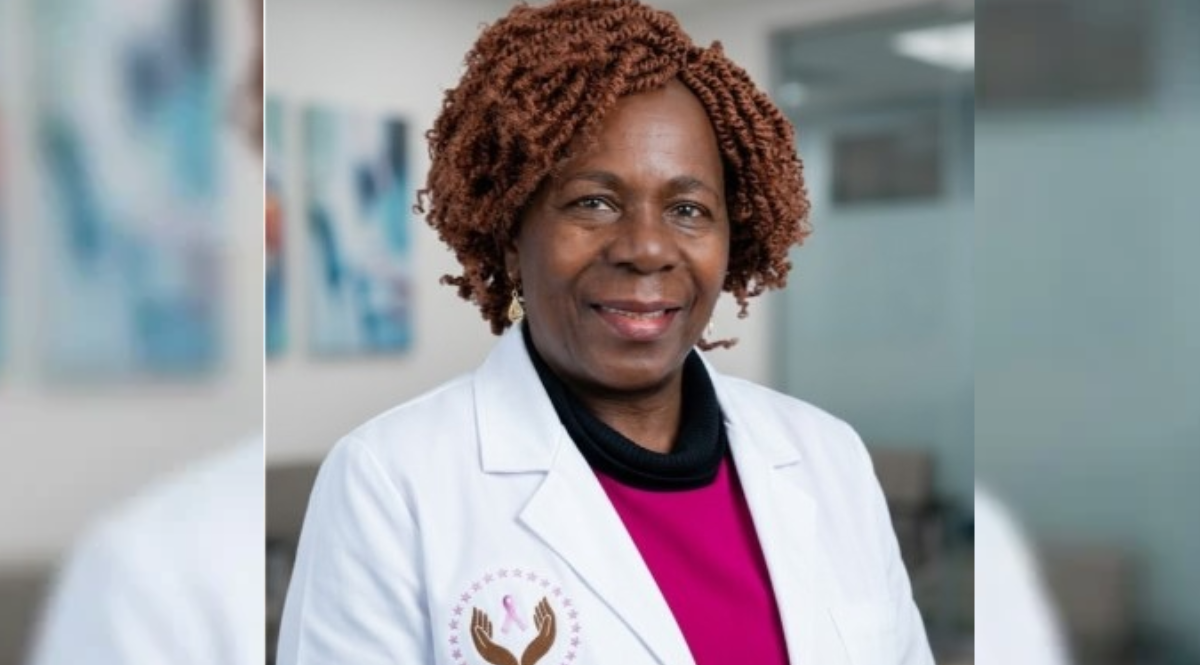
In an interview with HealthTimes, Rosemary Chanetsa, a Palliative Care nurse with The Hospice and Palliative Care Association of Zimbabwe (HOSPAZ) said palliative care should not be viewed as an alternative to cancer treatment or as an indication that a medical team has given up.
Instead, it can form part of cancer care from the time a person is diagnosed with a life-limiting illness and can continue alongside surgery, chemotherapy, radiotherapy and hormonal treatment.
“Palliative care is an essential component of comprehensive healthcare that aims to prevent and relieve suffering and improve the quality of life of patients living with serious illnesses such as breast cancer,” Chanetsa said.
For a patient with advanced breast cancer, the burden of illness can extend far beyond the tumour itself.
The disease and its treatment can bring pain, fatigue, nausea, vomiting, breathlessness, loss of appetite and sleep disturbances. At the same time, patients may be dealing with anxiety, depression, fear of death and uncertainty about what the future holds.
For women who undergo breast surgery, changes to their bodies can also affect self-esteem, personal identity and intimate relationships.
HOSPAZ says palliative care recognises these realities by looking at the patient as a whole person rather than focusing only on the disease.
“Breast cancer affects the whole person, not just the part of the body affected by the disease,” the organisation says.
That approach becomes particularly important as treatment becomes more difficult or when cancer progresses.
More than pain relief
Pain management remains one of the most important components of palliative care, but it is only one part of the picture.
Palliative care teams can help patients manage physical symptoms associated with cancer and its treatment while also providing psychological and social support.
For a patient experiencing severe fatigue, for example, care may involve assessing the underlying causes and developing an appropriate management plan. For someone experiencing anxiety or depression, counselling and psychosocial support may be needed.
Families may also need help.
A prolonged cancer journey can create financial and practical pressures, particularly where patients require repeated hospital visits. Transport costs, loss of income, childcare responsibilities and the expense of prolonged treatment can place considerable strain on households.
She added that palliative care teams can help identify available support and connect patients and families with appropriate services.
This makes palliative care particularly relevant in Zimbabwe, where relatives frequently play a major role in caring for sick family members at home.
The family is part of the care team
When breast cancer becomes advanced, the patient’s family often becomes an important part of the day-to-day care system.
Relatives may help with medication, personal care, transport to health facilities, communication with healthcare professionals and emotional support.
But caregiving can itself become exhausting.
Family members may experience anxiety, grief, physical exhaustion, loss of income and uncertainty about how to respond when the patient’s condition changes.
HOSPAZ argues that these caregivers also need support.
Depending on what services are available, this can include education about basic caregiving, guidance on symptom management, counselling, psychosocial support and bereavement services.
Community-based palliative care can be particularly important because it can allow patients to remain at home where appropriate while giving families access to advice and professional support.
“Supporting caregivers is not an optional extra; it is an important part of providing compassionate, quality palliative care,” HOSPAZ says.
Protecting dignity when cancer advances
As breast cancer progresses, patients can face difficult decisions about treatment.
Palliative care can help patients and families understand the potential benefits and burdens of available treatments and make decisions based on the patient’s wishes, values and goals.
This is where dignity becomes central.
HOSPAZ says patients should be treated as active participants in their care, with healthcare professionals explaining treatment options clearly, respecting their preferences and maintaining their privacy.
Palliative care can also help patients remain as independent as possible by managing symptoms, supporting mobility and helping them continue everyday activities where their condition allows.
Patients may also require nutritional advice, rehabilitation, psychological support or assistance with personal care.
Quality of life, therefore, cannot be measured simply by whether a patient is receiving cancer treatment.
It also encompasses comfort, meaningful relationships, emotional wellbeing, personal choice and the ability to live with dignity.
A gap between need and access
Yet while the need for palliative care is considerable, access remains uneven.
HOSPAZ says Zimbabwe has made progress in developing palliative care services, but important gaps remain in geographical coverage, essential medicines and the availability of trained healthcare professionals.
The African Palliative Care Association Atlas of Palliative Care in Africa 2025 identifies 12 specialised palliative care services in Zimbabwe, equivalent to 0.08 services per 100,000 inhabitants. The country profile also identifies one specialised paediatric palliative care service.
For people living in rural and underserved communities, accessing these services can be particularly difficult.
Long distances to health facilities, transport costs, limited numbers of trained personnel and difficulties obtaining essential medicines can all become barriers.
There are encouraging foundations in professional training. The Atlas indicates that palliative care teaching is mandatory in two of Zimbabwe’s three medical schools and all three nursing schools assessed.
But HOSPAZ says continued investment in education and practical skills is needed.
The organisation also points to the importance of stronger referral pathways linking cancer treatment centres, district hospitals, primary healthcare facilities, hospices and community-based programmes.
The aim is straightforward: where someone lives or how much money their family has should not determine whether they can access compassionate care and pain relief.
The problem of pain
For many cancer patients, one of the most immediate concerns is whether they will be able to obtain adequate pain relief.
HOSPAZ says patients can continue to experience avoidable pain when essential medicines are unavailable, unaffordable or inaccessible at the facilities where they receive treatment.
The challenge extends beyond Zimbabwe.
According to the APCA Atlas of Palliative Care in Africa 2025, Africa’s average consumption of strong opioids, excluding methadone, was 77 defined daily doses for statistical purposes per million inhabitants per day between 2020 and 2022. The global average was 238.
The Atlas also reports that 50 of the 54 African countries assessed had immediate-release oral morphine available in fewer than 30 percent of primary healthcare facilities, with access generally lower in rural areas.
Zimbabwe’s reported opioid consumption, excluding methadone, was 18 defined daily doses per million inhabitants per day, substantially below the global average cited by the Atlas.
HOSPAZ says improving the situation requires coordinated action to ensure essential medicines are consistently available, healthcare professionals are adequately trained and patients and families receive accurate information about pain management.
Medicines such as morphine have an important role in managing moderate to severe cancer pain when clinically indicated. They must be prescribed and monitored appropriately, but concerns surrounding opioids should not prevent patients from receiving effective pain relief.
“Pain relief is not a luxury. It is an essential component of humane and quality healthcare,” HOSPAZ says.
Palliative care does not mean giving up
Perhaps the most important message HOSPAZ wants patients and families to understand is that referral to palliative care does not mean that doctors have abandoned hope.
Palliative care can be introduced alongside active cancer treatment and adapted as a patient’s needs change.
For someone receiving treatment aimed at curing or controlling breast cancer, hope may mean remission or recovery.
For another patient, particularly someone with advanced disease, hope may take a different form: better control of pain, spending meaningful time with family, maintaining independence, remaining at home or simply being comfortable and treated with dignity.
In this sense, palliative care does not replace hope. It broadens what hope can mean during a serious illness.
It recognises that even when cancer cannot be cured, there is still much that can be done.
Symptoms can be treated. Anxiety can be addressed. Families can be supported. Difficult decisions can be discussed. Patients can be helped to maintain independence and dignity for as long as possible.
And importantly, no patient should have to face the physical and emotional burden of breast cancer alone.
For HOSPAZ, strengthening palliative care is therefore not simply about expanding another component of the health system.