By Staff Reporter
A deal between the United Nations Childrens Fund (UNICEF) and the Vaccine Alliance (Gavi), will cut the price of the RTS,S/AS01 malaria vaccine by about 40 percent, generating an estimated US$50 million in savings between 2027 and 2029.
Announced on Friday, the agreement will reduce the price to €5.50 (USD6.15) per dose from early 2027, subject to regulatory and manufacturing milestones, including World Health Organisation (WHO) prequalification of a new manufacturing facility.
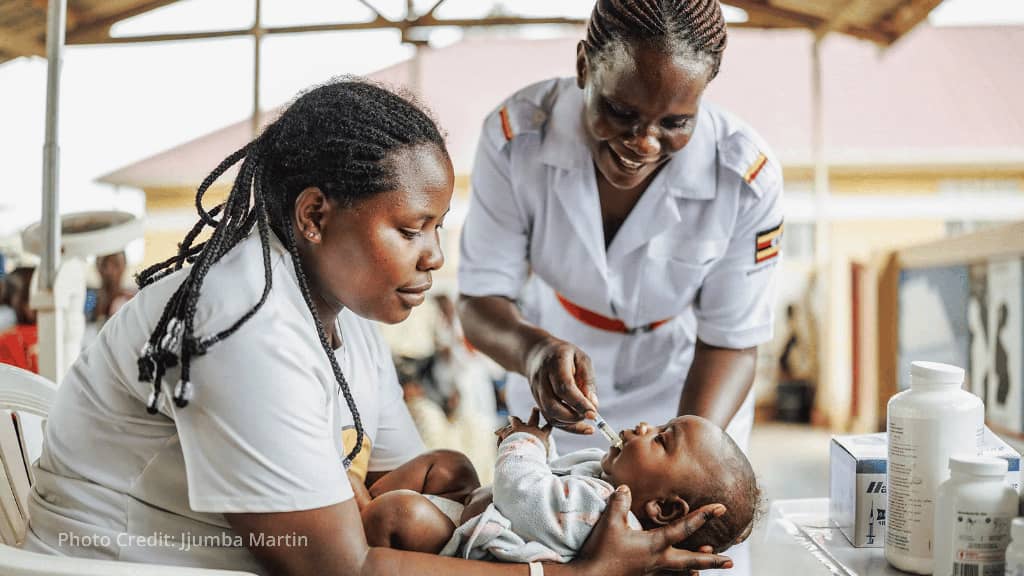
The savings could fund a full four-dose malaria vaccination course for up to one million additional children or help countries expand access to other vaccines.
UNICEF negotiated the agreement, with financial backing from Gavi. The deal was enabled by an advance payment from the International Finance Facility for Immunisation (IFFIm).
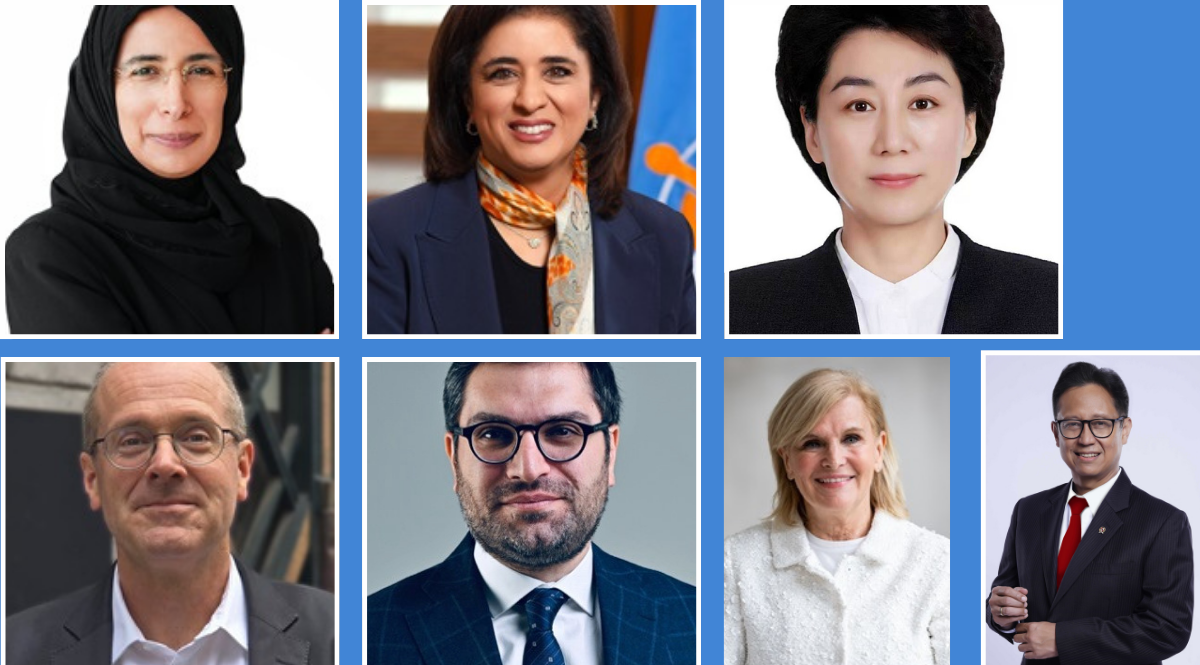
UNICEF Supply Division director Leila Pakkala said the agreement would help expand access to malaria vaccines while supporting the development of new vaccines.
“This agreement is an important step towards protecting more children from malaria by expanding access to life-saving vaccines where they are needed most,” Pakkala said.
“At the same time, it sends a strong signal in support of continued innovation, helping to advance the development of next-generation vaccines that can further reduce the burden of malaria for future generations.”
Gavi chief vaccine programmes and markets officer An Vermeersch said the agreement demonstrated how financing and partnerships could help make vaccines more affordable.
“Today’s announcement is a powerful example of what the Vaccine Alliance does best: bringing together financing, technical expertise and strategic partnerships to shape healthier vaccine markets and expand access for the children who need vaccines most,” Vermeersch said.
IFFIm board chair Georgina Baker said the agreement reflected the facility’s role in accelerating access to vaccines and reducing costs.
“Impact is at the heart of IFFIm’s mission. As we mark twenty years of helping expand access to life-saving vaccines, this transaction demonstrates the continued relevance of IFFIm’s model,” Baker said.
She added: “We were created to accelerate vaccine access, increase availability, and help lower costs so that more children can be protected sooner. By helping secure lower prices for RTS,S/AS01 malaria vaccines, and working alongside Gavi and UNICEF, we can maximise our collective impact and help ensure that more children are protected from malaria.”
The price reduction comes as demand for malaria vaccines continues to grow following the start of their rollout in 2024.
More than 74 million malaria vaccine doses have been procured and delivered by UNICEF, while Gavi-funded malaria vaccination programmes have been incorporated into routine immunisation in 25 African countries that account for more than 70 percent of the global malaria burden.
The agreement builds on the transfer of vaccine production to a manufacturer in a developing country and is intended to support a more sustainable supply of malaria vaccines as demand increases.
However, the lower price will depend on the required regulatory and manufacturing milestones being met before UNICEF begins procuring doses under the agreement.
Gavi has set a target of vaccinating an additional 50 million children against malaria by 2030, at a time when international aid funding is declining.
Malaria remains a major cause of illness and death, particularly among children in Africa.
In 2024, an estimated 282 million malaria cases and 610,000 deaths were recorded globally. Africa accounted for up to 95 percent of cases and deaths, while children under five accounted for about 74 percent of malaria deaths.
Malaria vaccines have been introduced into childhood immunisation programmes in 25 African countries, including Ghana, Zambia, Kenya and Malawi, which began using the RTS,S vaccine in 2019. Countries now use either RTS,S or the newer R21 vaccine, depending on their programmes and supply arrangements
The RTS,S/AS01 vaccine is administered in four doses. When given seasonally in areas with high seasonal transmission, a full course reduces malaria cases by about 75 percent.
Vaccination remains one component of malaria prevention and control, alongside insecticide-treated nets, repellents, other vector-control measures, preventive medicines, prompt diagnosis and treatment.
Health authorities also face the challenge of changing malaria transmission patterns as rising temperatures and extreme weather events affect the spread of the disease and disrupt health services.