By Kuda Pembere
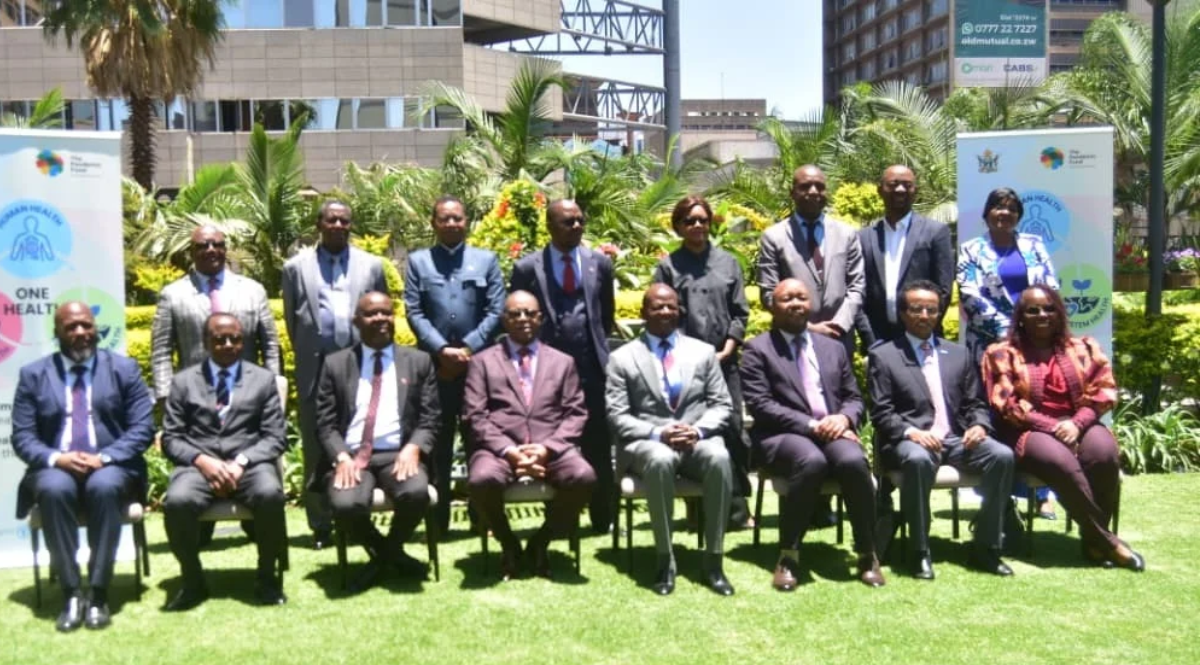
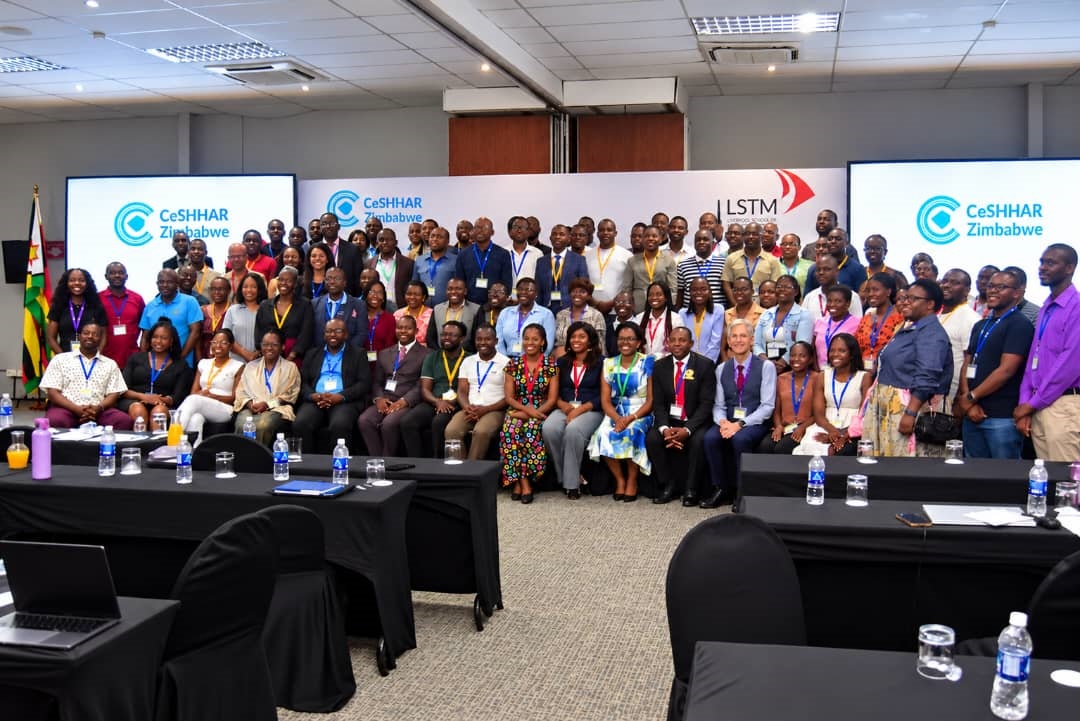
Zimbabwe last week launched a regional climate and health research consortium backed by a US$20 million Wellcome Trust investment to generate evidence that informs policy and helps unlock funding for climate-related health interventions.
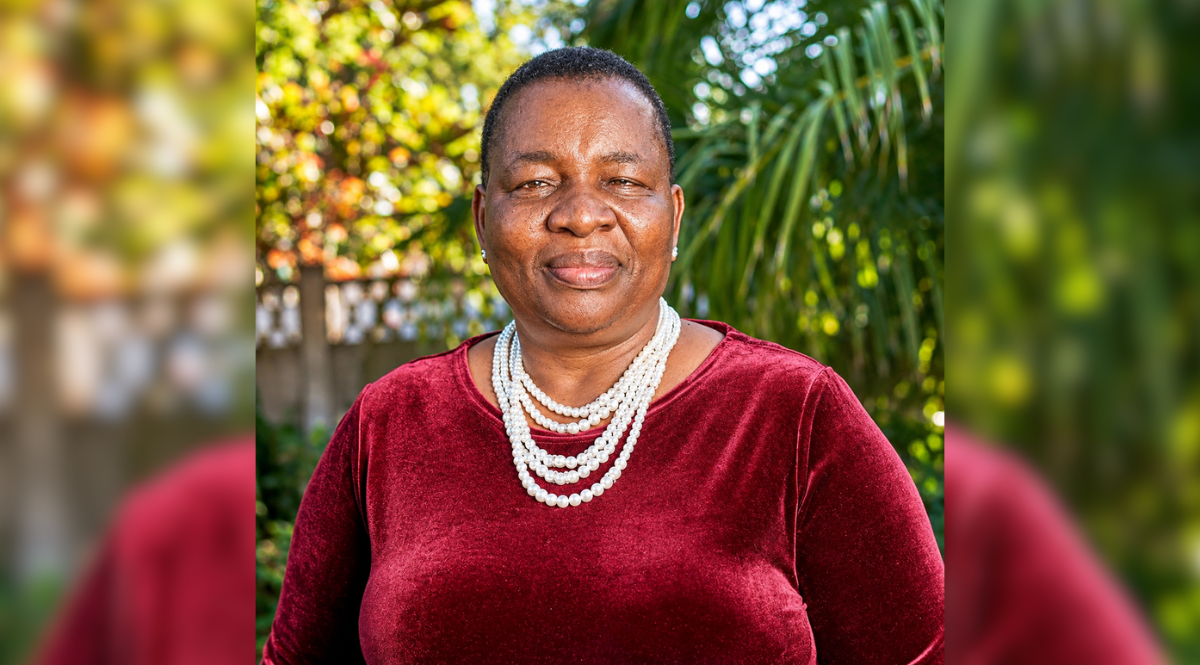
Dr Fortunate Machingura, director of Climate, Environment and Health at CeSHHAR Zimbabwe, has been appointed Zimbabwe country director for the Southern Africa Consortium for Climate Change and Health (SACCCH), which brings together Zimbabwe, Malawi and South Africa.
Speaking to HealthTimes, Machingura said the initiative would support research into how climate conditions affect health outcomes while developing interventions that governments could adopt and scale up.
The investment is also intended to help unlock climate health financing through mechanisms such as the Green Climate Fund.
“This is a US$20 million investment by Wellcome to support climate and health science that informs policy and impact but also helps to catalyse and unlock climate health financing from climate financing mechanisms such as the Green Climate Fund,” she said.
Machingura said similar centres were being established to support climate and health research in other African regions, including West and East Africa.
She said SACCCH would focus on five critical areas, beginning with the use of existing health data alongside climate indicators to better understand how environmental conditions affect health outcomes.
One area of research will examine the relationship between temperature, humidity and pregnancy outcomes using data from mother-and-baby cohorts followed from conception to about three months after birth.
Researchers will map health outcomes against location-specific temperature and humidity data to better understand the effects of climate exposure on mothers and infants.
Machingura said the consortium would also focus on developing practical interventions rather than simply documenting the effects of climate change.
“We can’t continue just looking at data and talking about the impacts of climate change. We already know them,” she said.
The consortium will develop and test solutions in Zimbabwe, Malawi and South Africa, focusing on extreme heat, heavy rainfall, flooding and drought.
Machingura said evidence from these interventions could help governments and decision-makers determine which solutions should be scaled up, while opening opportunities to seek larger financing from institutions such as the Green Climate Fund.
In Zimbabwe, the work will be guided by the National Adaptation Plan and the ongoing vulnerability and adaptation assessments, which Machingura said were launched by the Health and Child Care Minister on 16 April 2026.
She said the process would contribute to the development of the country’s first health national adaptation plan by identifying vulnerable populations and determining which interventions work in the local context.
Machingura called for collaboration across sectors, saying climate-related health risks extended beyond the health sector and required interdisciplinary research and coordinated responses.
“We are open for collaboration and would like to collaborate with everyone really because the impacts of climate change are not just in the health sector. They are multi-sectoral, so we need all sectors to come on board,” she said.
In a pre-recorded address, Health and Child Care Minister Dr Douglas Mombeshora said the launch represented an opportunity for African institutions to generate evidence that shaped policy and strengthened climate-resilient health systems.
He said Africa needed to move away from relying predominantly on evidence generated elsewhere and invest in research institutions capable of producing locally relevant findings and solutions.
The consortiums would also strengthen coordination among countries, align research priorities and improve the translation of scientific findings into policy, Mombeshora said.
He said climate change was already reshaping the distribution of diseases across Africa, with malaria spreading into new ecological zones and other threats, including cholera, dengue and Rift Valley fever, requiring attention.
Delivering the keynote address, Dr Shungu Munyati, a member of SACCCH’s Impact Advisory Board, said climate change was already affecting communities, particularly vulnerable populations.
She said CeSHHAR Zimbabwe established its Climate, Environment and Health Department in 2022 under the leadership of its chief executive director, Professor Stanley Luchters, with Machingura leading the department.
Through the department, Zimbabwe established a national demonstration laboratory in Mt Darwin District to investigate the relationship between climate and health and work with communities to develop interventions for vulnerable populations, Munyati said.
She also highlighted Zimbabwe’s hosting of the first Climate and Health Africa Conference in 2024, which brought together more than 500 delegates and 30 African health ministers.
Munyati said the conference produced the Harare Declaration, which was helping shape climate and health policy across Africa.
She said the research generated in Zimbabwe had helped position the country alongside Malawi and South Africa as hosts of African policy centres supported by Wellcome.
Munyati said the Impact Advisory Board would provide independent strategic advice, ensure research remained aligned with national priorities, strengthen engagement with decision-makers and help translate evidence into policy, practice and sustainable financing.
“With that counsel, we will help shape the climate and health science and policy agenda across Southern Africa,” she said.