
Zimbabwe Drops National Health Insurance Name, Unveils Tax-Funded Healthcare Provision Programme
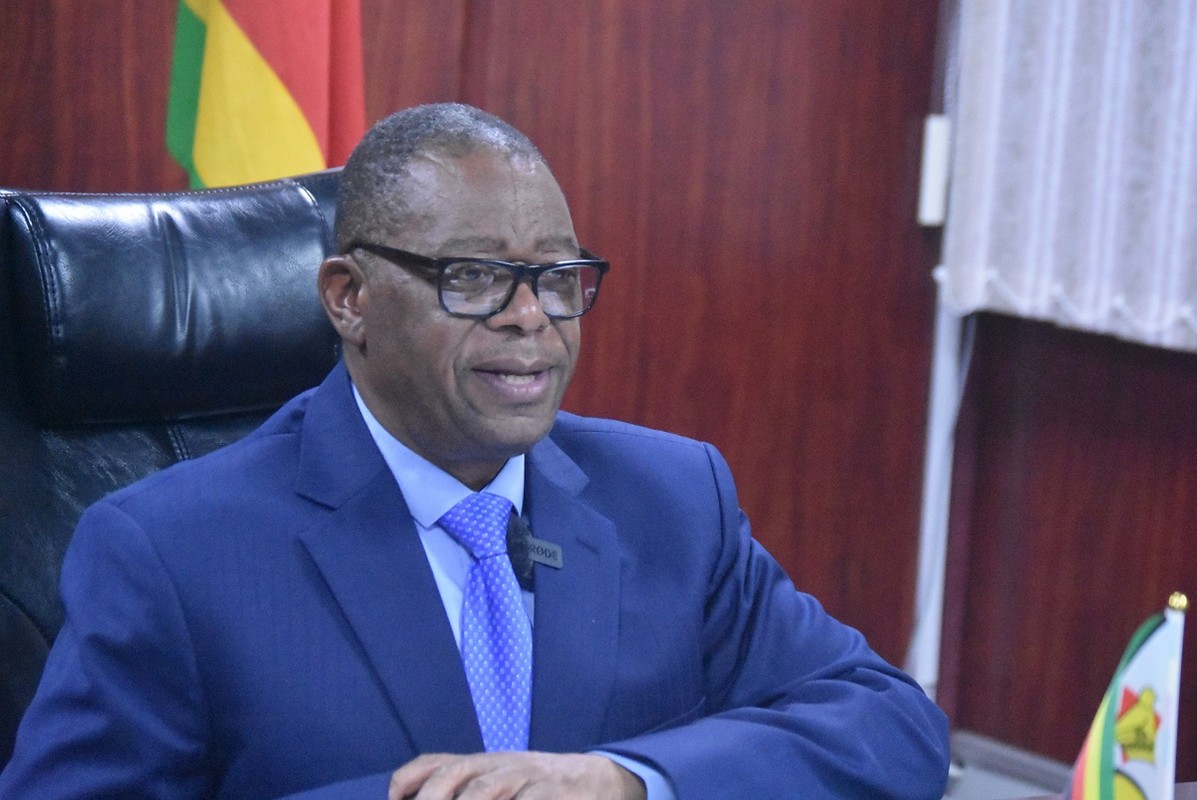
By Michael Gwarisa HARARE – Zimbabwe has abandoned plans to establish a National Health Insurance Scheme, opting instead for a National Healthcare Provision Programme, a new tax-funded model aimed at providing free healthcare services at public health institutions, Health and Child Care Minister Dr Douglas Mombeshora has announced. Speaking while responding to questions during the
Read More
New National Health Strategy Targets Protection of Earmarked Funds
Kuda Pembere Zimbabwe has begun the process of drafting its new National Health Strategy which also aimes to ensure all health financing is properly managed and effectively utilized, a top Cabinet official has said. This includes the much-anticipated National Health Insurance Scheme (NHIS), which is set to provide financial protection for families and reduce out-of-pocket
Read MoreHealth Services Suffer as Budget Remains Unused
By Kudakwashe Pembere As Finance Minister Professor Mthuli Ncube prepares to present the 2026 National Budget, concerns persist over Zimbabwe’s failure to fully utilise health allocations, despite the Ministry of Health and Child Care consistently receiving less than 15 percent of the national budget. According to the 2025 Mid-Term Budget and Economic Review, the Health
Read More“Consult Us Before Introducing New Health Taxes,” Business Pleads With Mthuli
By Michael Gwarisa Zimbabwe’s business community has warned that introducing more health levies without consulting the private sector could negatively affect business operations and undermine collaborative health financing efforts. Over the years, the government has introduced several taxes to boost domestic health financing. These include the airtime levy, the fast-food levy, and the sugar tax.
Read MoreMhangura Hosts World Contraception Day as Zimbabwe Pushes for Domestic Family Planning Investment
By Kuda Pembere in Mhangura Zimbabwe last Friday belatedly marked World Contraception Day in Mhangura with the launch of the country’s Contraceptive Cost Recovery Framework, aimed at improving domestic financing for family planning commodities and services. The commemorations, held at Mhangura Recreational Club, drew hundreds of community members and health stakeholders. Mashonaland West was selected
Read MoreAfrica Lags Behind in Mental Health Spending, Allocating Less Than 10 Cents Per Person
By Kuda Pembere At a time when African Governments are seized with the scourge of drug and substance misuse, Zimbabwe included, they are spending less than US$0.10 per capita on mental health, compared to more than US$50 in other regions of the world. Government expenditure per capita refers to the total government spending divided by
Read MoreTreasury Generates US$25 Million from Sugar Tax Collections
By Kuda Pembere Zimbabwe’s Treasury raised ZiG685.8 million (about US$25.4 million) from the sugar tax between January and May 2025, with the funds earmarked for the procurement of cancer equipment and medication. This was revealed by Finance, Economic Development and Investment Promotion Minister Professor Mthuli Ncube during the Mid-Term Budget Review presentation on Thursday. Prof
Read MoreEMF Medical Aid Society Reinforces Commitment to Quality Healthcare with Digital Innovation and Expanded Wellness Benefits
By Michael Gwarisa EMF Medical Aid Society has reaffirmed its dedication to delivering accessible, innovative, and member-centric healthcare at its Annual General Meeting (AGM). The Society unveiled a forward-thinking strategy designed to meet the evolving health needs of Zimbabweans. Against the backdrop of a turbulent economic climate in 2024, EMF showcased resilience and innovation in
Read More
After Years Stuck at 10%, Zimbabwe’s Medical Aid Coverage Crashes to Just 4%
By Michael Gwarisa Health insurance coverage in Zimbabwe has declined to a historic low, with new data revealing that only four percent of the country’s population is currently covered by any form of medical aid. This comes after more than a decade in which the national coverage rate stagnated at around 10 percent, raising fresh
Read MoreCuts in Health Aid Threaten Global Health Systems – WHO Warns
By Staff Reporter The World Health Organization (WHO) has raised alarm over the growing trend of reduced and suspended Official Development Assistance (ODA) for health, warning that such cuts are already weakening health systems in low- and middle-income countries and placing millions of lives at risk. In its latest report titled “The Impact of Suspensions
Read More