
By Kuda Pembere
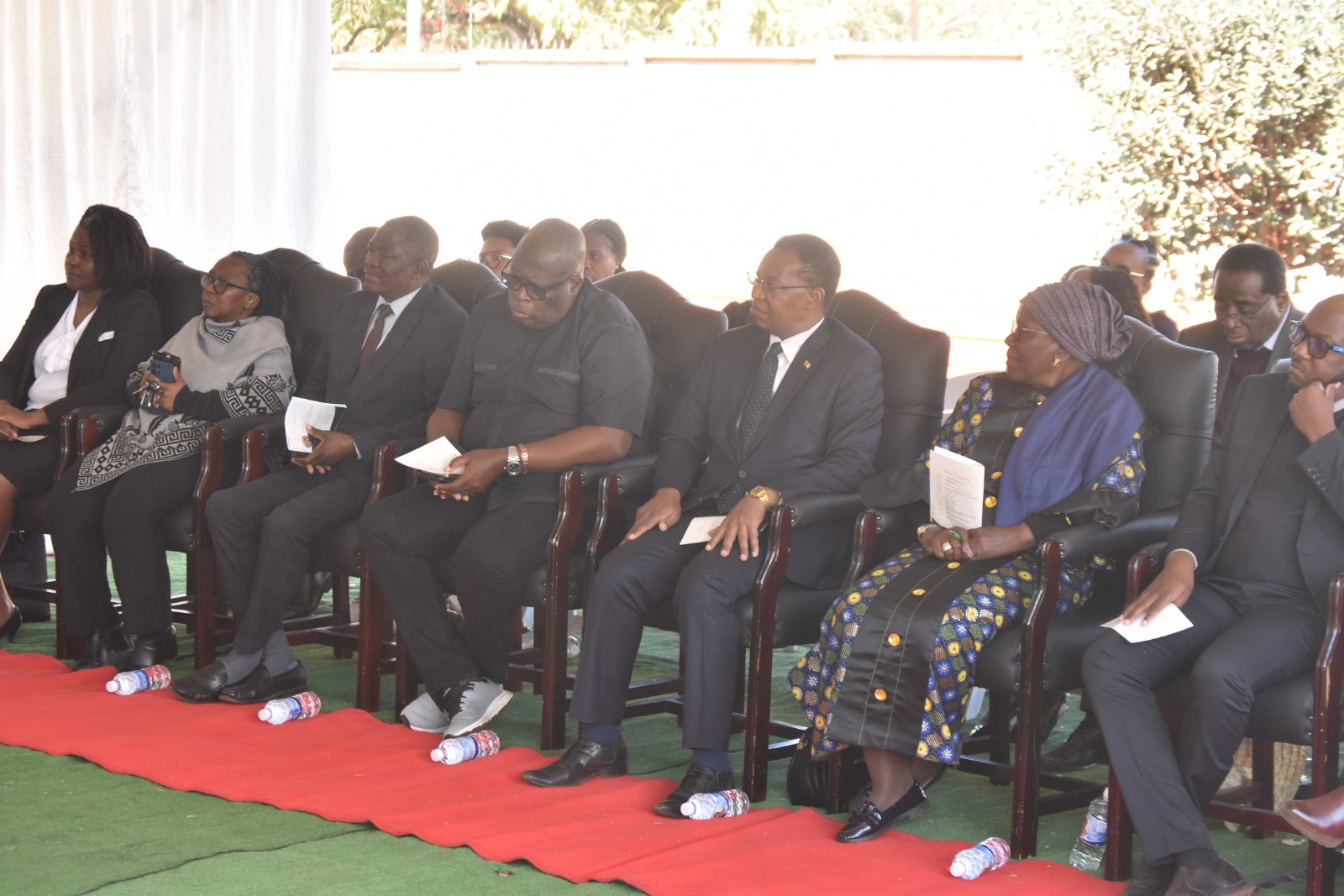
National Hero Professor Herbert Mapfumo Chinyanga laid the foundation for Zimbabwe’s modern health workforce by championing specialist medical training and establishing the country’s anaesthesia profession, health leaders said during a memorial service held in Harare on Friday.
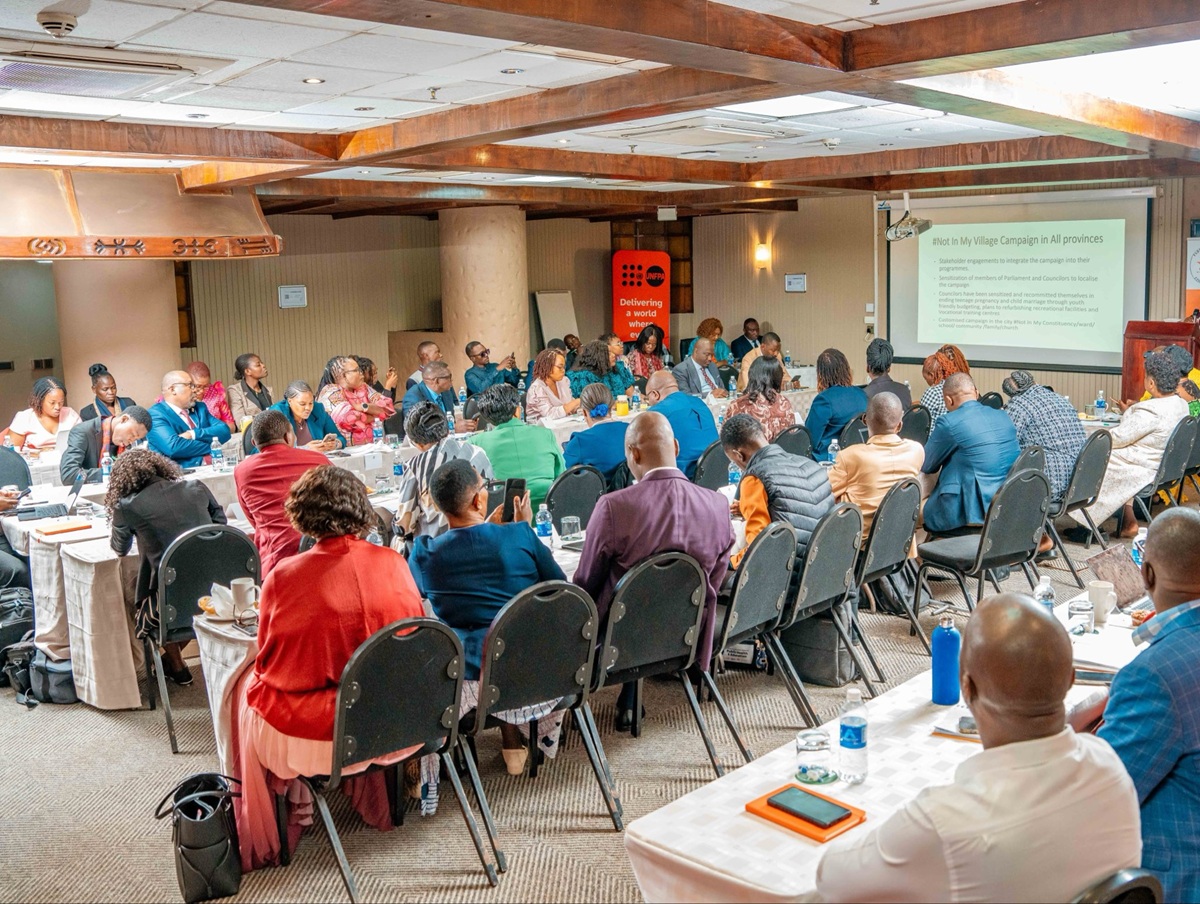
The memorial, organised by the Zimbabwe Anaesthetists Association, celebrated the life and legacy of the renowned anaesthetist, teacher and mentor, whose contributions continue to shape healthcare delivery in Zimbabwe.
In a speech read on his behalf by Chief Director for Curative Services Dr Maxwell Hove, Health and Child Care Ministry Permanent Secretary Dr Aspect Maunganidze said Prof Chinyanga understood early that sustainable healthcare depended on investing in people.
“At a time when Zimbabwe was still consolidating its institutions following independence, Professor Chinyanga understood that sustainable health development required more than the provision of services. It required deliberate investment in people and national capacity.
“He recognised that a resilient health system depends on its ability to train, develop and sustain its own health professionals,” Dr Maunganidze said.
He said Prof Chinyanga’s vision remains aligned with the Ministry’s National Health Strategy, which identifies a skilled and motivated workforce as the foundation of quality, equitable and accessible healthcare.
“The ministry’s ambition to double the health workforce by 2030 is not merely a numerical target. It is a strategic investment in the health, productivity and prosperity of our people,” he said.
Dr Maunganidze said the Government would honour Prof Chinyanga’s legacy by expanding health professional education, strengthening specialist and postgraduate training, developing centres of excellence and creating opportunities for future generations of healthcare workers.
Zimbabwe Anesthetic Association president Dr Musvo Mapfanyangira described Prof Chinyanga as the father of anaesthesia in Zimbabwe, saying he created the country’s first local anaesthesia training programme after returning home in 1985.
“Professor Chinyanga did not inherit a profession in Zimbabwe. He built one,” she said.
“When he returned home in 1985, anaesthesia in this country had no local training pathway. By 1986, it did. Every anaesthetist who has stood at the head of an operating table in Zimbabwe owes something to the foundation he established.”
She said the association had gathered to celebrate the generations of specialists produced through the training programme he founded and praised his commitment to mentorship.
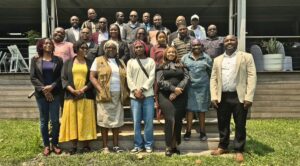
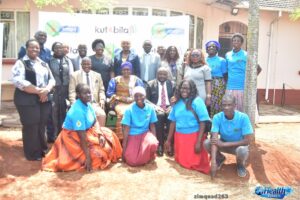
The association joined together to honour him for the foundation he laid and the generation of anaesthetists produced
“What he has done cannot be measured in words. It takes humility to understand and acknowledge as well as to give respect and honor where it is due. Those who walk in hospital halls, who listen to the beeping sound in theatre, who toil at night to save a woman in a rural hospital, who walk back and forth and around an ICU bed and those who continue to teach even when it is hard, have had a glimpse of what he created,” Dr Mapfanyangira said.
Zimbabwe Medical Association (ZiMA) representative Dr Enock Mayida described Prof Chinyanga as “a giant in the medical profession” who dedicated his life to saving lives, advancing science and mentoring future generations of doctors.
College of Anaesthetists of East, Central and Southern Africa representative Dr Doreen Mashava said Prof Chinyanga consistently emphasised patient safety and excellence in clinical practice.
“Every lesson and every tutorial was about administering safe anaesthesia to our patients. He guided us academically, professionally and personally, helping many of us grow into the specialists we are today,” she said.
Zimbabwe Society of Obstetricians and Gynaecologists representative Dr Mugove Madziyire said the specialist anaesthetists trained under Prof Chinyanga had significantly strengthened efforts to reduce maternal and perinatal deaths.
“We have benefited immensely from the critical mass of anaesthetists created by Professor Chinyanga. Their contribution has helped improve maternal and newborn outcomes across Zimbabwe,” he said.
Surgical Society of Zimbabwe president Dr Wilfred Muteweye said the country’s surgical services would not have reached their current level without the training programme established by Prof Chinyanga.
“We know that without an anaesthetist there is no surgery. Today, government central hospitals perform about 50,000 operations every year, and that platform was laid by Professor Chinyanga. To me, that is the work of a true hero,” he said.
Speaking on behalf of the family, Prof Chinyanga’s son, Farayi, thanked President Emmerson Mnangagwa and the Government for conferring National Hero status on his father.
“We are deeply grateful to the Government of Zimbabwe for honouring my father in this way. As a family, we honestly were not expecting it, and we are truly humbled,” he said.
His niece Commissoner Tendai Bare said it was his vision to see Zimbabwe as a training hub for anesthetists in the region.
Prof Chinyanga was honoured with the Zimbabwe Medical Association’s Excellence in Teaching Award in 2023 in recognition of more than four decades of teaching and mentoring.
A medical doctor, scientist and specialist in anaesthesia and intensive care, he mentored generations of healthcare professionals in Zimbabwe and abroad, including at the University of Zimbabwe, the University of Ghana and the University of Toronto.
His pioneering work established Zimbabwe’s anaesthesia training programme, strengthened intensive care services and helped improve surgical safety, leaving a legacy that continues to shape the country’s health system.
Prof Chinyanga was born on July 26 in 1939. His wife passed away three years ago and he will be buried beside his wife at Etosha Cemetery tomorrow.