
By Alice Mudzingwa
HARARE – Young people from across Zimbabwe have called for greater participation in governance and policy-making, urging government, development partners and civil society organisations to create more opportunities for youth leadership and meaningful involvement in national development.
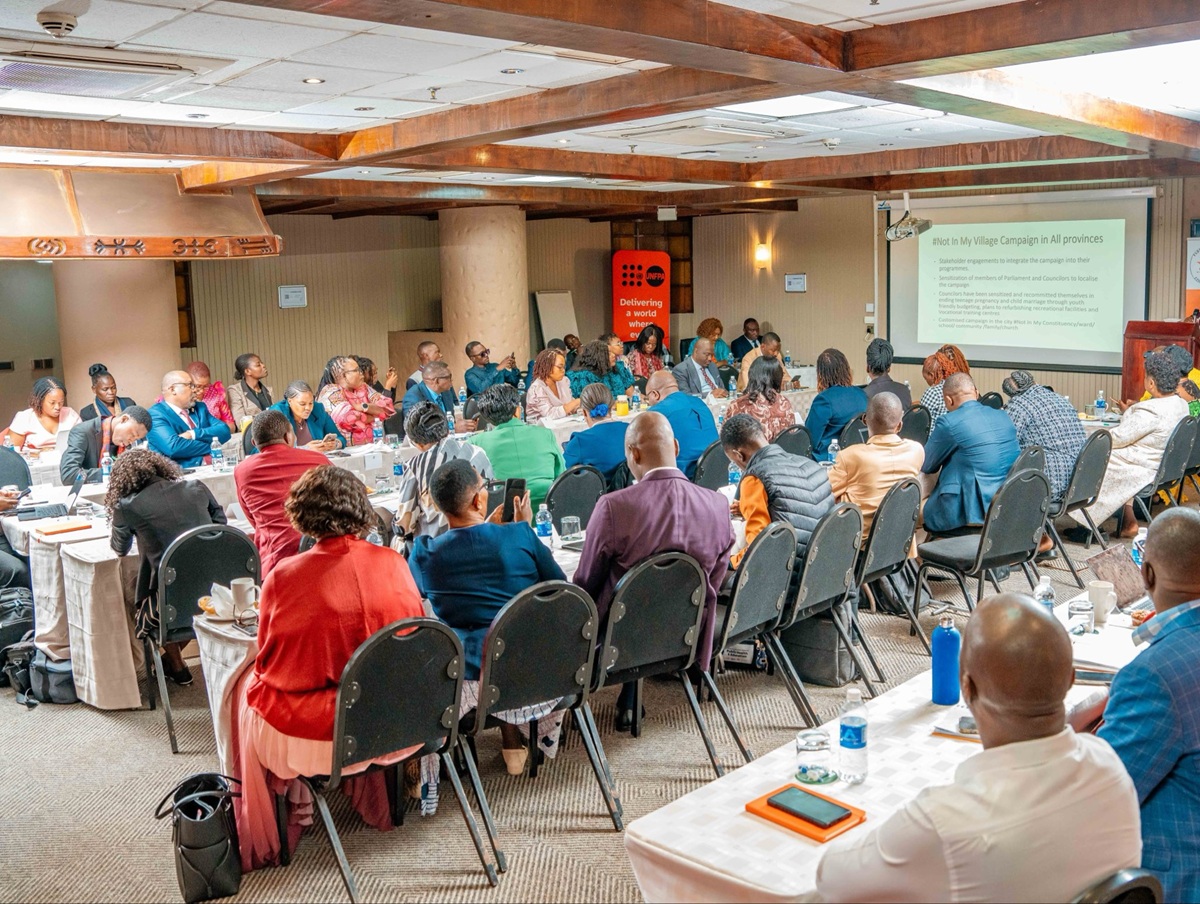
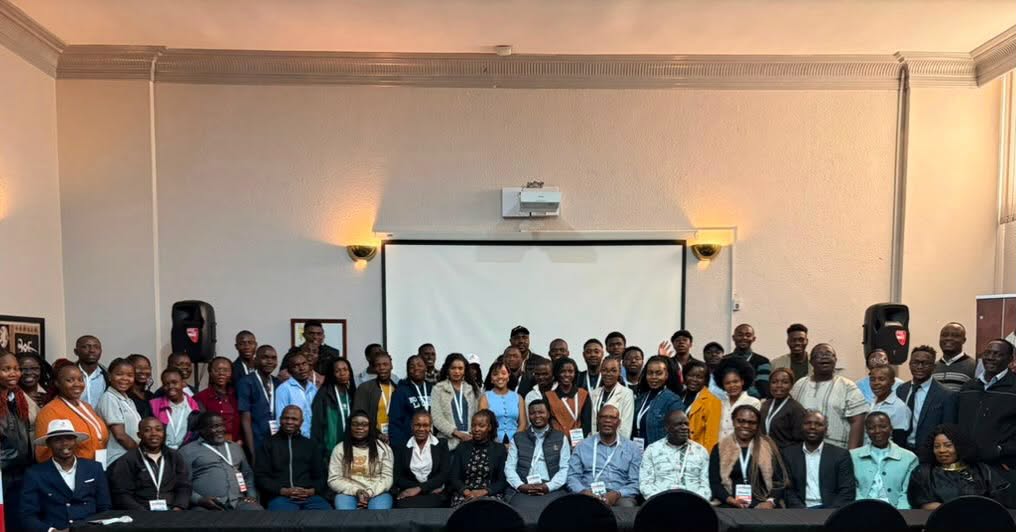
The calls were made during a Youth Indaba, where delegates discussed key issues affecting young Zimbabweans, including unemployment, access to quality education, mental health, climate change, gender equality and digital innovation. Participants also appealed for increased investment in youth empowerment through funding, skills development and support for youth-led initiatives.
Matobo Youth Development Initiative representative Descent Dube said young people should be recognised as active contributors to national development rather than passive beneficiaries of programmes.
“The future of Zimbabwe depends on young people taking leadership roles in shaping policies and driving sustainable development in their communities. There is a need to cultivate a generation of young people who are proactive rather than merely responding to policies or programmes introduced by the government. We want young people to be at the forefront of development ideas as future leaders,” said Dube.
Matabeleland youth climate advocate Mercy Mukwani emphasised the need to strengthen partnerships and collaboration among youth organisations to ensure they work collectively towards achieving national development goals.
“We urge the Ministry of Youth and other stakeholders to work more closely with grassroots youth organisations so that young people can better understand and benefit from the policies and programmes designed for them,” said Mukwani.
SAYWHAT National Coordinating Committee (NCC) Youth Sounding Board Chairperson Kushinga Madzima also called for greater unity among organisations implementing youth empowerment and climate action initiatives.
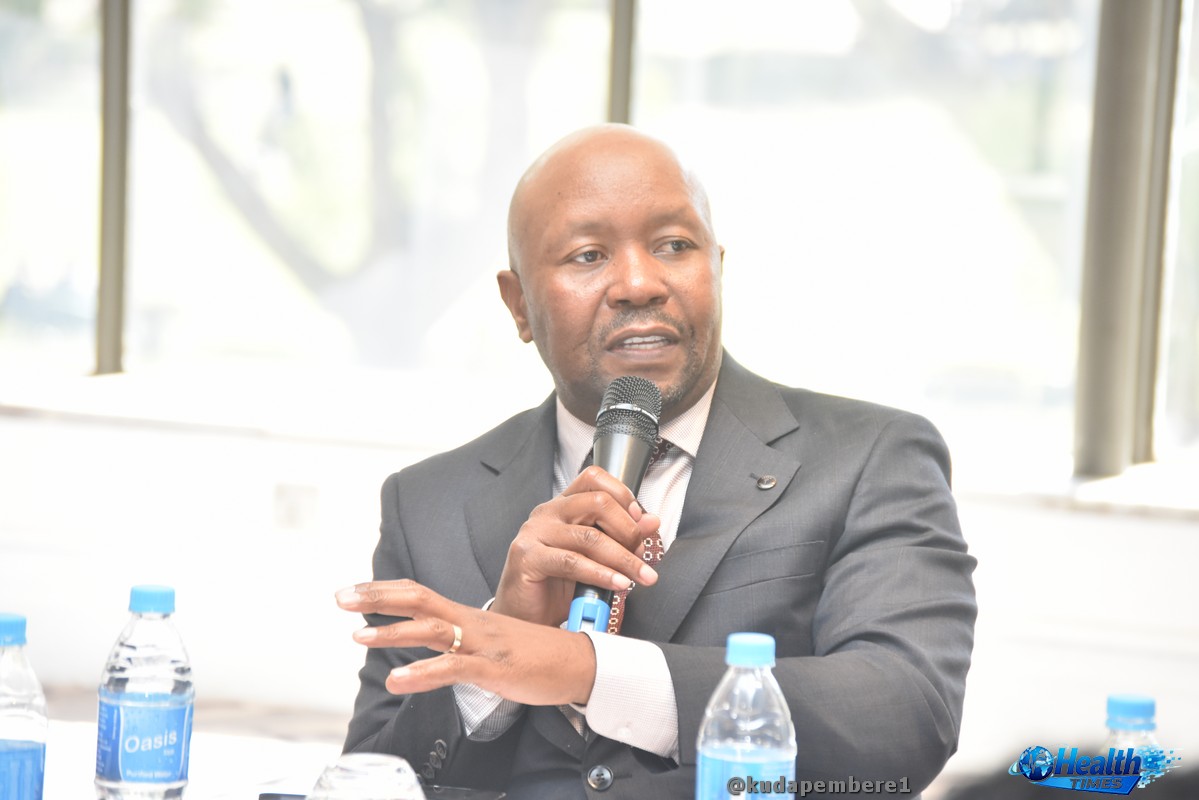
“One of the biggest challenges in the advocacy space is the lack of collaboration. Instead of working in isolation, organisations should come together to maximise their impact. We also encourage funding organisations to make information on available opportunities easily accessible to young people across Zimbabwe,” said Madzima.
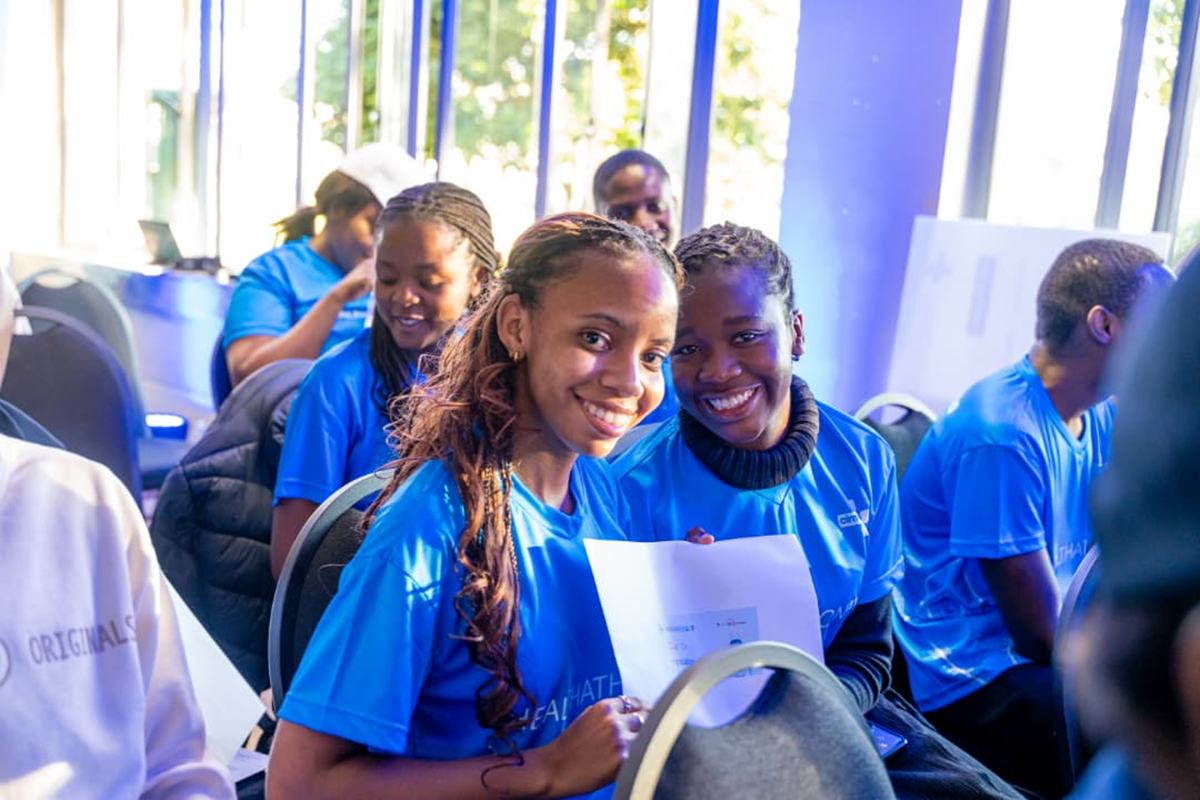
Delegates participated in panel discussions and group sessions, where they developed recommendations aimed at strengthening youth participation in governance, expanding employment opportunities, promoting social inclusion and improving access to opportunities for young people.
At the conclusion of the Indaba, organisers pledged to compile the recommendations into a policy brief to be shared with relevant government ministries and other stakeholders to help inform future youth development programmes.
Zimbabwe Youth Council Research and Development Officer Joseph Mhasvi said the Youth Indaba forms part of broader efforts to empower young people to become agents of positive social change while strengthening collaboration between youth, government and civil society.