
By Michael Gwarisa
RIO DE JANEIRO, Brazil – Zimbabwe is reshaping its HIV prevention strategy by putting communities at the centre of decision-making, using insights gathered from ordinary citizens to guide the country’s national PrEP Choice campaign and preparations for the introduction of long-acting injectable HIV prevention, lenacapavir (LEN).
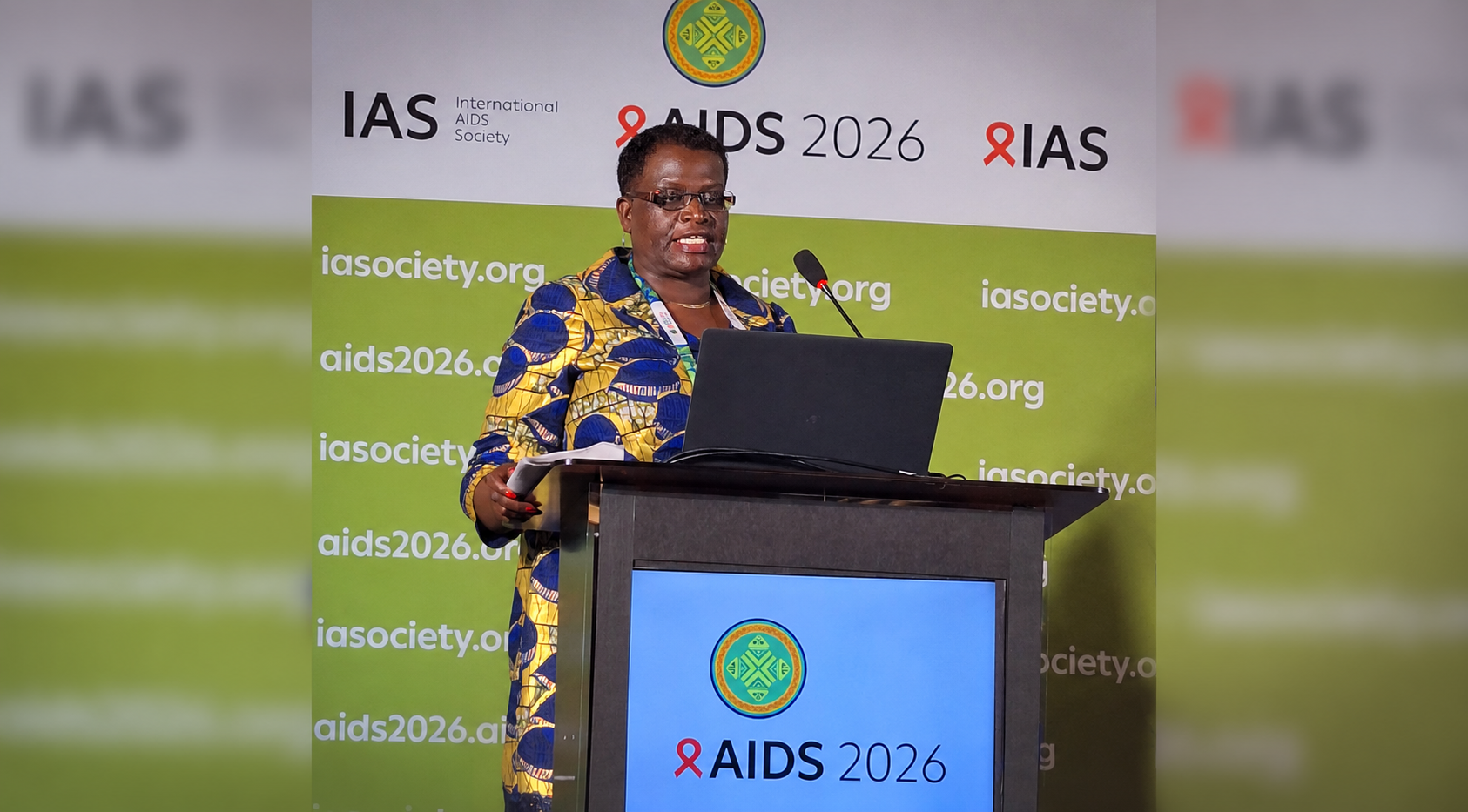
Presenting at the 26th International AIDS Conference (AIDS 2026), Getrude Ncube of Zimbabwe’s Ministry of Health and Child Care said the country adopted a Human-Centred Design (HCD) approach that moved beyond testing communication materials to understanding how HIV prevention fits into people’s everyday lives.
“We did not use Human-Centred Design simply to test communication materials,” Ncube said.
“We used it to understand people’s lives, priorities and experiences and to allow those insights to shape our national demand generation strategy from the beginning.”
Zimbabwe’s approach marked a departure from the traditional public health model that first develops campaigns before seeking community feedback. Instead, the Ministry conducted 16 co-creation workshops in Harare and Bulawayo involving 185 participants from diverse population groups before developing communication strategies. The objective, Ncube said, was not to determine whether people liked campaign materials but to understand how HIV prevention could fit naturally into their lives.
The communities remained involved throughout the process, contributing to insight generation, reviewing early creative concepts, helping shape the national master brand and informing the country’s demand generation strategy.
“Communities were not consulted at the end. They helped shape the beginning,” Ncube said, adding that the process transformed communities from recipients of communication into partners in creating it.
One of the strongest findings was that people wanted to be seen as more than the categories used in health programmes. Women engaged in sex work identified themselves as mothers, daughters and entrepreneurs. Men who have sex with men wanted to be recognised as sons, brothers and friends, while artisanal miners described themselves as parents and community members. Adolescent girls and young women wanted to be viewed as students and future professionals.
“We learned and we heard: Design for the whole person. Not only the programme label,” Ncube said.
She said the findings prompted Zimbabwe to move away from designing communication around programme labels and instead focus on shared human aspirations. Participants consistently connected with messages centred on hope, choice, freedom, confidence, respect, family and peace of mind rather than campaigns that focused solely on identity or risk categories.
The workshops also challenged the tone traditionally used in HIV prevention campaigns. Across almost every audience, participants associated existing messaging with fear, judgement and stigma. When asked how HIV prevention should feel, they consistently spoke about confidence, hope, freedom and peace of mind.
“Across almost every audience, prevention communication today was associated with fear and judgement,” Ncube said.
“People wanted confidence. Freedom. Hope. Peace of mind.”
She said the findings signalled an important shift away from fear-based messaging towards communication that empowers people to make informed choices about HIV prevention.
As Zimbabwe prepares for the rollout of lenacapavir, participants expressed considerable enthusiasm for the long-acting injectable. Ncube said communities were less interested in efficacy statistics than in how the medicine could improve their daily lives.
“What stood out was that they rarely spoke about efficacy percentages,” she said.
“Instead, they spoke about what LEN would mean for their everyday lives: convenience, privacy, peace of mind and freedom from taking pills every day.”
Participants said receiving two injections a year, instead of taking a daily pill, offered greater convenience and privacy. At the same time, they raised questions about side effects, fertility, long-term safety, trust and availability, highlighting the need for public education before widespread introduction of the product.
“These findings reinforced the importance of building LEN literacy before widespread promotion,” Ncube said.
The consultations also revealed that communities were not looking to be persuaded to use a particular prevention product. Instead, they wanted clear and balanced information that would allow them to make informed decisions.
“Give us information… and let us decide,” participants repeatedly told researchers.
According to Ncube, that message became the foundation of Zimbabwe’s PrEP Choice approach.
“Communities did not reject HIV prevention,” she said.
“They wanted clear, honest information that respected their ability to make decisions for themselves. That insight became the foundation for Zimbabwe’s PrEP Choice approach.”
The findings are already being translated into policy and programme implementation. Zimbabwe is using the evidence gathered through the Human-Centred Design process to develop a national PrEP Choice master brand, build public understanding of lenacapavir before rollout, strengthen community engagement, identify trusted messengers, develop audience-specific communication materials and finalise its national demand generation strategy.
Closing her presentation, Ncube said the experience had fundamentally changed the country’s approach to HIV prevention.
“People do not wake up thinking about HIV programmes,” she said.
“They wake up thinking about their families, their futures, their relationships and their responsibilities. If HIV prevention can fit naturally into those lives, it becomes more relevant, more respectful and ultimately more meaningful. That is what communities helped us understand.”
The presentation underscored Zimbabwe’s shift towards a prevention model anchored on informed choice, community ownership and communication that reflects people’s lived realities, a strategy the country hopes will strengthen the uptake of HIV prevention services as new technologies become available.