By Kuda Pembere
Journalists have been urged to verify information with relevant authorities before publication, particularly during humanitarian emergencies, to prevent misinformation and unnecessary panic in affected communities.
The call comes in the aftermath of the Kariba ferry disaster and the more recent Harare-Chivhu road disaster, which generated widespread public interest and a flood of information on social media.
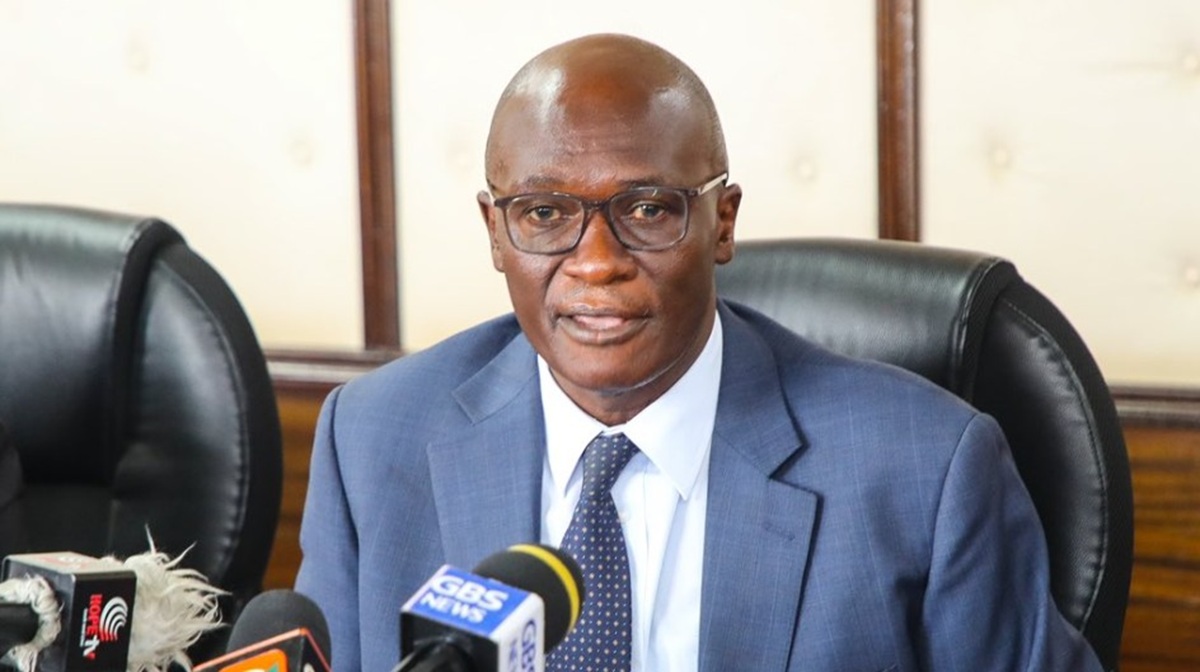
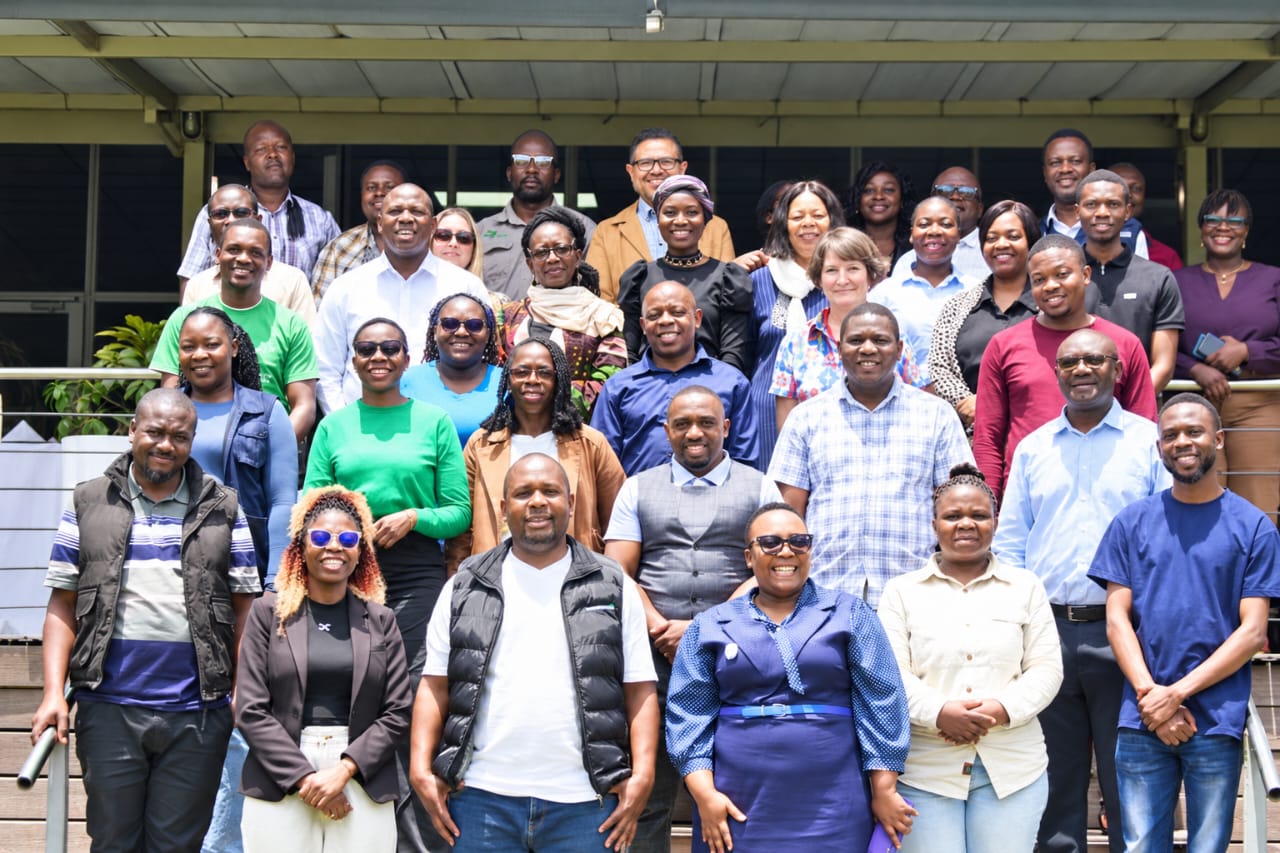
Speaking at an Emergency Reporting Training Workshop for Journalists organised by UNICEF Zimbabwe, Director of the Civil Protection Department in the Ministry of Local Government and Public Works, Farai Hokonya, said responsible journalism was critical to helping communities prepare for hazards and disasters.
The training sought to strengthen the media’s capacity to report accurately and responsibly during humanitarian emergencies.
“At this critical training workshop, we are not just here as government officials and journalists, but we are here as partners united by a single cause, which is our duty to protect human life, environment, and safeguard our nation’s future,” Hokonya said.
“The media is a critical partner in Zimbabwe’s disaster risk management and humanitarian response. During emergencies, communities rely on the media for information that is accurate, timely, accessible, and actionable.
“Through responsible reporting, journalists can inform communities, counter misinformation, promote preparedness, and most importantly, contribute to saving lives.”
Hokonya said the Civil Protection Department was responsible for coordinating national preparedness, prevention, mitigation, response and recovery to disasters and emergencies.
He said this required close collaboration between government institutions, local authorities, humanitarian partners, communities, the private sector and the media.
Zimbabwe faces a range of hazards, including droughts, floods, severe storms, disease outbreaks, fires and road traffic accidents.
“It is therefore important that we strengthen our focus on disaster risk reduction, preparedness, and resilience, rather than concentrating only on a response after disasters,” Hokonya said.
He said disaster risk management should begin with information that enables communities to take early action rather than waiting until a disaster occurs.
“For too long, the relationship between disaster management and the media has been reactive. They have always been calling each other after certain events have happened already,” he said.
“Historically, the media arrives when the floodwaters have already arisen, when the drought has already taken hold, or when infrastructure has already crumbled, or a horrific accident has happened.”
Hokonya said while reporting death tolls, displacement and damage remained important, journalists should also focus on preparedness and anticipated risks.
“The disaster risk management sector in this country follows the mantra that says disaster management begins with information, so we can’t bring the information after the disaster has already happened,” he said.
He challenged journalists to verify information before amplifying it, particularly as social media increasingly becomes a source of unverified information during emergencies.
“When an emergency strikes, social media fills with rumours that complicate the response efforts and cause unnecessary public anxiety,” Hokonya said.
“As trained media professionals who are here with me today, your voice must be the ultimate anchor of truth, working hand in hand with our structures and everybody who is at all levels, so that information that is actionable can be aired out.”
He said media organisations should strengthen their investigations and engagement with authorities to ensure accurate figures and information are published.
“We need to improve on our investigations, we need to improve on our interactions with authorities that are there, so that we can have reliable information, reliable data that we can then use to flag our stories,” he said.
UNICEF Representative to Zimbabwe Etona Ekole said the recently launched National Action Plan for Early Warning for All in Mutare was an important step towards turning hazard information into timely action.
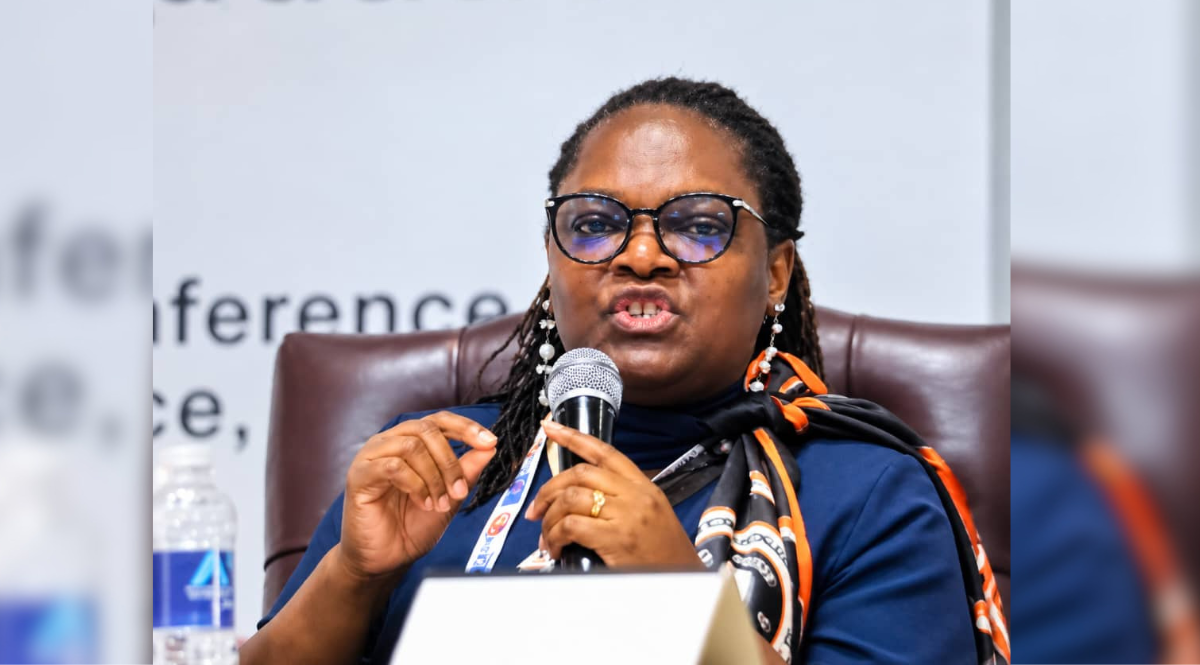
“Its launch will help ensure that vulnerable children and families receive timely early warning messages that are clear, practical and actionable. Information in humanitarian situations plays an important role. To journalists here present, you are critical to this system,” Ekole said.
She said journalists had an important role before, during and after disasters.
“Before a crisis, journalists help translate early warnings into clear, practical messages that families can understand and act on. During an emergency, journalists provide timely updates, amplify official guidance, counter misinformation and connect affected communities to life-saving services.
“After a disaster, journalists help to keep public attention on recovery, on accountability and the needs of children and families and communities who may otherwise have been forgotten,” she said.