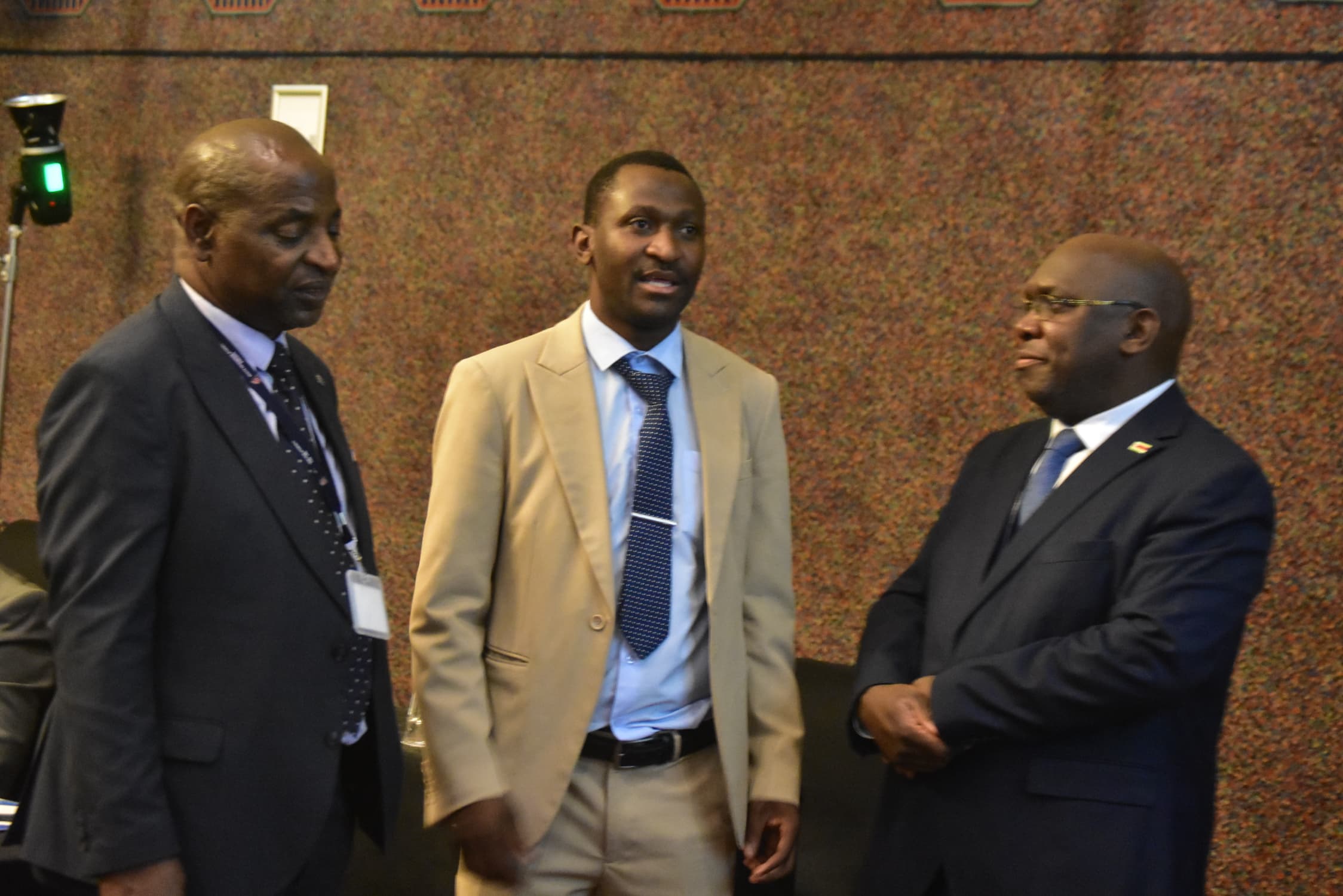
By Michael Gwarisa
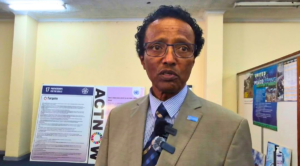
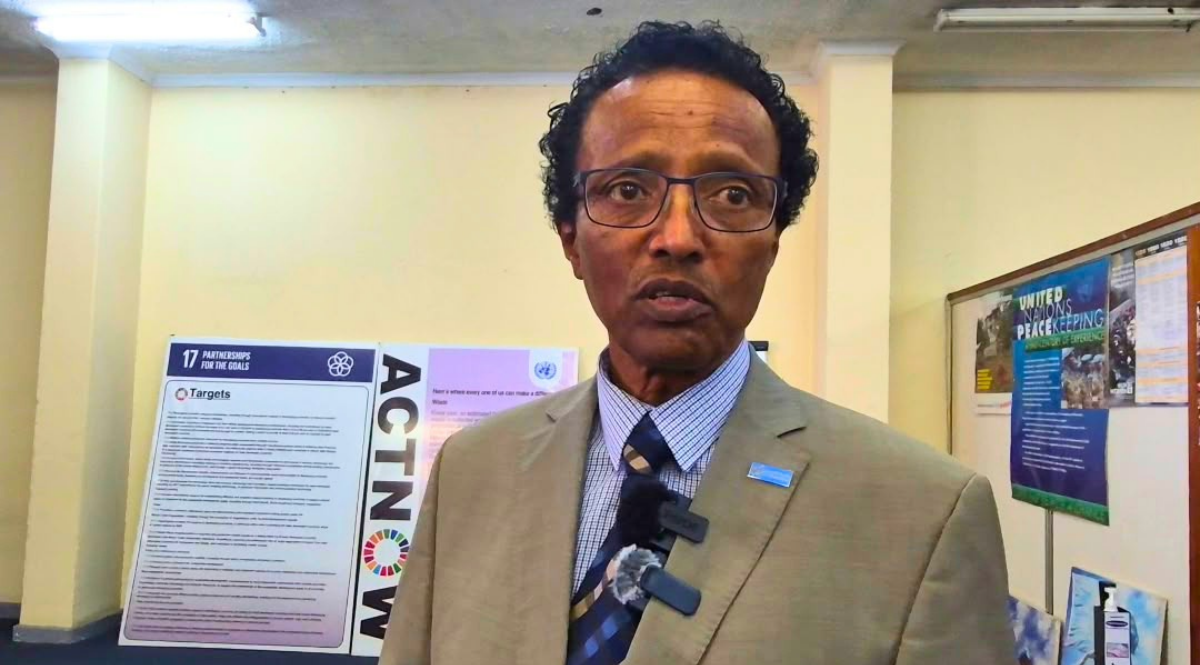
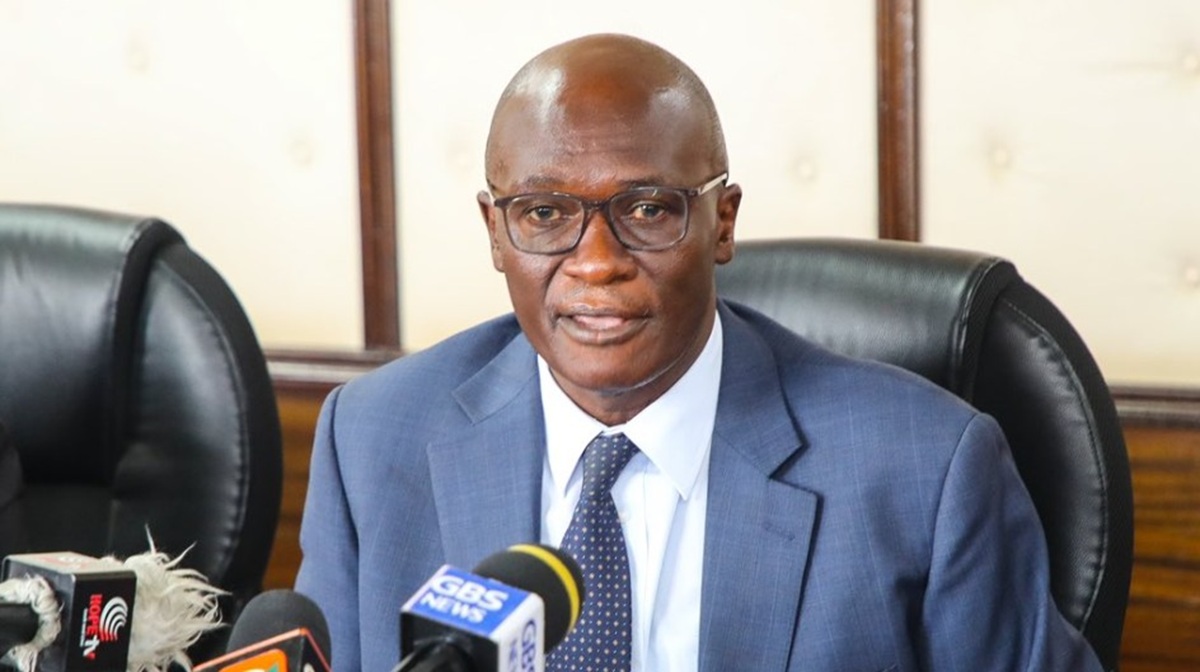
Zimbabwe’s growing drug and substance abuse crisis has renewed debate over how people who use drugs are treated, with harm reduction expert Wilson Box questioning the effectiveness of militarised and highly regimented rehabilitation programmes.
Box argues that drug dependence should be approached primarily as a public health issue rather than through punitive measures, saying rehabilitation centres that rely on quasi-military strategies may not address the underlying causes of substance use or prevent relapse.
“It’s supposed to be treated. That is punishment. What is happening at Matrix, quasi-military strategies, there are better ways to really look at that,” Box said.
He also raised concerns about approaches used at other rehabilitation centres, without naming the facilities, saying there are more effective public health approaches that could be considered.
“Even what is happening elsewhere, its also not the best, right?” he said.
“Someone from here out there. Yes, this one you can actually quote me. That is not the way to do it in Zimbabwe because when you treat people the Matrix way we expect the number of people using drugs reducing.”
Zimbabwe’s drug crisis is substantial, although reliable national estimates of the number of people using drugs remain limited. Afrobarometer reported in January 2025 that 79% of Zimbabweans considered drug and substance abuse widespread in their communities, with 56% describing it as “very widespread.”
The pressure is also being felt within the mental health system. Afrobarometer cited figures from the Zimbabwe Civil Liberties and Drug Network indicating that, in 2021, drug abuse accounted for 60% of psychiatric admissions, with 80% of those admissions involving young people aged 16 to 25. The figures point to the particularly heavy burden of substance use among young Zimbabweans, although they should not be interpreted as a current national surveillance estimate.
Earlier data also showed a sharp increase in drug-related admissions at Harare Central Psychiatric Hospital, from 150 cases in 2019 to 825 in 2020, according to figures cited by Afrobarometer.
Against this backdrop, the Government has adopted a multisectoral response. Cabinet approved the Zimbabwe Multi-Sectoral Drug and Substance Abuse Plan 2024-2030 in April 2024, with the strategy recognising drug and substance abuse as a growing threat to public health, security, economic growth and social stability.
The national plan calls for a broad response that includes supply reduction, demand reduction and harm reduction. It identifies alcohol, tobacco, cannabis and the non-medical use of controlled medicines among commonly abused substances, while noting that crystal methamphetamine, cannabis and other substances are used among young people. The plan estimates that approximately 60% of patients admitted to mental health institutions suffer from drug use disorders.
For Box, however, the continued scale of the problem raises questions about whether existing rehabilitation approaches are sufficient.
“But at the moment, there is an increase, meaning that intervention is not actually working,” he said. “Let’s try the public health and see what happens.”
His position reflects a wider harm reduction argument that people who use drugs should be able to access healthcare, counselling and other support without fear of punishment or stigma.
Box has previously argued that criminalising drug use can push people who use drugs underground and discourage them from seeking treatment and harm reduction services.
Zimbabwe’s challenge, therefore, extends beyond getting people into rehabilitation centres. It is also about determining whether treatment helps people sustain recovery, addressing mental health and social factors associated with substance use, and ensuring that those leaving rehabilitation can reintegrate into their families and communities.
With drug and substance abuse widely perceived as a growing community problem and young people carrying a significant burden, Box believes Zimbabwe needs to examine the evidence behind its rehabilitation models.