By Michael Gwarisa
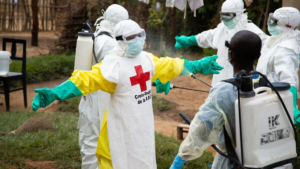
Africa is currently battling five major infectious disease outbreaks: Mpox, Measles, Dengue, Lassa Fever, and Cholera. Among these, Cholera has emerged as the deadliest, quietly eclipsing the rest in scale and lethality. Yet, despite its heavy toll, it remains under-prioritized.
In 2024, the Africa Centres for Disease Control and Prevention (Africa CDC) declared Mpox a Public Health Emergency of Continental Security (PHECS), a bold step triggered by its rapid transmission across the Democratic Republic of Congo (DRC), Sierra Leone, and Uganda. That response was swift and strategic, culminating in a marked decline in cases within a year. But now, as Cholera rips through 21 countries with far deadlier outcomes, Africa faces a new test of urgency, coordination, and political will.
As of June 27, 2025, Africa CDC data shows 162,973 suspected Cholera cases, with 6,002 confirmed and 3,378 deaths, over six times more fatalities than Mpox, which recorded 561 deaths from 21,560 cases across 26 countries. Cholera’s Case Fatality Rate (CFR) currently stands at 2.07 percent, nearly three times higher than Mpox’s 0.77 percent.
Despite the clear disparity in severity, Cholera continues to receive a fraction of the attention and resources.
Speaking on Mpox progress, Prof. Yap Boum II, Deputy Incident Manager for Africa CDC’s Mpox response, reported a consistent decline in cases, with Sierra Leone’s burden dropping from 53 percent to 41 percent within a single week. Over three million Mpox vaccine doses have been delivered across the continent, with more than 763,000 already administered.
Meanwhile, Cholera vaccine rollout remains dismal. The Oral Cholera Vaccine (OCV) coverage stands at just 7 percent continent-wide, leaving large populations exposed, especially in areas of high transmission and poor infrastructure.
Africa CDC’s Epidemic Intelligence Unit Lead, Dr. Kayeng Mercy, acknowledged these gaps but pointed to ongoing efforts to mobilize resources.
We have a stockpile that can be dispersed quickly to affected countries,” she said. “For example, Sudan received over a million doses this year and nine million from UNICEF last year. Partners are coming on board, just as they did with Mpox.”
Still, the urgency seen in Mpox response has not been replicated for Cholera, despite worsening numbers and deteriorating conditions in hotspot regions.
The DRC has reported 31,032 cases and 694 deaths across 14 provinces, with children accounting for 40 percent of infections. In Angola, 25,168 cases and 743 deaths have been reported. While some provinces show higher vaccine coverage, community deaths remain disturbingly common. In Sudan, the outbreak has reached 29,412 cases, with CFRs soaring to 25 percent in some districts, largely due to destroyed water and power systems amid ongoing conflict.
Cholera’s ability to kill rapidly, often before a patient reaches a health facility, is a core challenge. Africa CDC data reveals that 57 percent of deaths occur in healthcare facilities, while the remaining 43 percent happen in the community, signaling systemic failures in early detection and care access.
More Than a Health Crisis
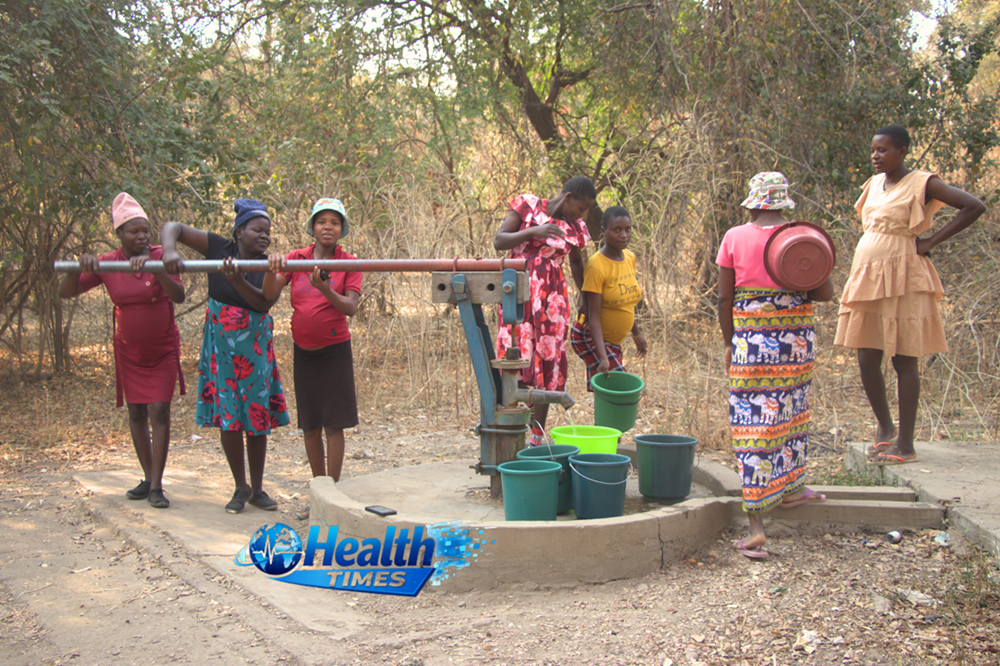
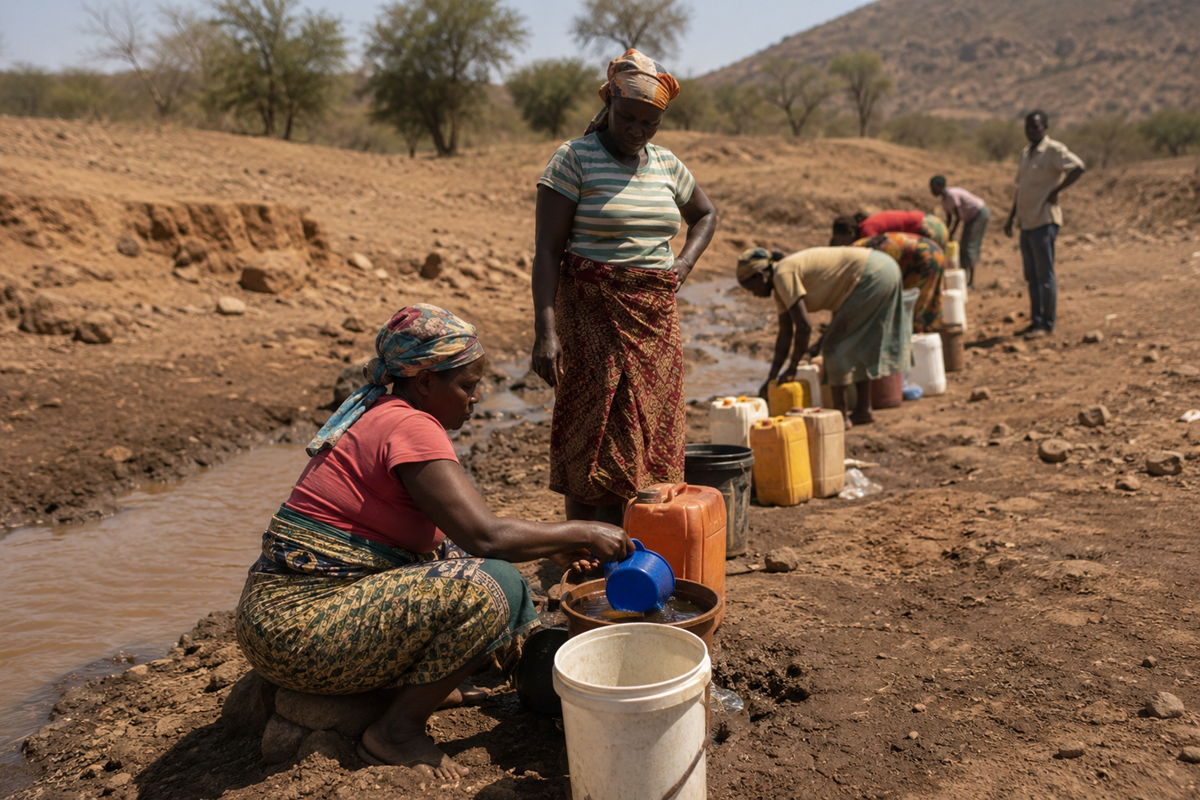
Both Prof. Boum and Dr. Mercy stress that Cholera is more than a medical issue, it is deeply rooted in structural deficiencies such as poor water and sanitation, climate shocks like flooding, and the displacement of populations by conflict.
“Cholera needs a multisectoral approach. Water and sanitation infrastructure must be prioritized,” emphasized Prof. Boum. In DRC, the low OCV uptake is further strained by concurrent Mpox and Measles outbreaks in the same provinces.
The scope of the crisis calls for integrated solutions that bring together sectors and actors beyond health.
Why Continental Action Is Urgent
Cholera now meets, and arguably exceeds, the criteria for a PHECS declaration:
-
High mortality, especially among children and displaced populations
-
Cross-border transmission, amplified by regional instability and natural disasters
-
Weak health systems, ill-equipped to detect and treat cases early
-
Low vaccine coverage and fragmented WASH infrastructure
A PHECS declaration would not merely be symbolic. It would trigger emergency funding, fast-track vaccine delivery, enhance coordination across borders, and prioritize water and sanitation investments, just as was done effectively during the Mpox response.
A Strategic Roadmap for Ending Cholera
To move from crisis response to resilience, the following actions are essential:
-
Declare Cholera a PHECS to unlock emergency mechanisms and signal high-level urgency
-
Activate National Cholera Taskforces that integrate Health, Water, Finance, and local government
-
Embed OCV into routine immunization programs, particularly in known hotspots
-
Strengthen WASH systems through public-private partnerships and targeted investment
-
Roll out community-based detection and education campaigns, empowering early action
-
Enhance cross-border surveillance and rapid response teams, enabling faster interventions where outbreaks spread regionally
These actions are modeled on the success Africa CDC achieved in curbing Mpox. But the Cholera context requires even more intensity, scale, and durability.
Conclusion: Cholera Deserves the Same Urgency as Mpox
Africa’s response to Mpox demonstrated what is possible when urgency meets coordination. It showed that with the right leadership and resources, outbreaks can be contained. Cholera deserves no less. When a disease causes six times more deaths and continues to spread in silence, the continent cannot afford a lukewarm response. Now is the time for Africa CDC to lead a bold, multisectoral charge. Declaring Cholera a Public Health Emergency of Continental Security is the first step in shifting from reaction to resolution, and in saving thousands of lives in the process.