By Tanaka Musungwini
BSc Honours Social Work Student (4th Year), Women’s University in Africa
Introduction and background
Climate change is no longer a distant environmental issue discussed only by scientists and policymakers. It is now a lived reality affecting health, livelihoods, food security, water access, education, mental wellbeing, social protection and community resilience. For Zimbabwe and many other developing countries, climate change is increasingly becoming a development crisis, a public health crisis and a social justice crisis.
The World Health Organisation (2023) defines climate change as long-term shifts in temperatures and weather patterns, largely driven by human activities such as burning fossil fuels, deforestation, mining, industrial emissions and pollution. These changes result in global warming, rising sea levels, extreme weather events, changing rainfall patterns, droughts, floods and increased vulnerability to disease outbreaks (WHO, 2023). The World Health Organisation estimates that about 3.6 billion people already live in areas highly susceptible to climate change, and that between 2030 and 2050, climate change could cause approximately 250,000 additional deaths per year from undernutrition, malaria, diarrhoea and heat stress alone.
This article argues that social workers and other professionals including public health and development practitioners must mainstream climate change awareness into their everyday work. Climate change should not be treated as a specialist environmental subject only. It must become part of community health education, social work practice, counselling, public health planning, child protection, poverty reduction, livelihoods programming, disaster preparedness, policy advocacy and community development.
Theoretical framework: Green Social Work and the Social Determinants of Health
This article is anchored on two complementary frameworks thus the Green Social Work Theory and the Social Determinants of Health framework. The Green Social work theory by Lena Dominelli’s argues that social work must address the relationship between people, communities, the natural environment, environmental degradation and social justice (Dominelli, 2012). It extends traditional social work practice beyond the social environment to include the physical and ecological environment, recognising that climate change, droughts, floods, food insecurity and environmental degradation directly affect human wellbeing (Dominelli, 2012).
The Social determinants of Health model states that health is shaped by the conditions in which people are born, grow, live, work and age (WHO, 2008) and has its roots from Marc Lalonde’s Health Field Concept, Dahlgren and Whitehead’s model of social determinants, and the WHO Commission on Social Determinants of Health chaired by Sir Michael Marmot. This framework is important because climate change affects the social foundations of health, including food security, water, housing, income, livelihoods, education, sanitation, healthcare access and social support. Together, these frameworks show that climate change is not only an environmental issue, but also a health, development and social justice issue.
Climate change as a threat to development
According to United Nations Development Program Human Development report, development is about improving human wellbeing, reducing poverty, expanding opportunities and enabling people to live with dignity. Climate change threatens all these goals as it destroys crops, reduces household income, damages homes and infrastructure, disrupts schooling, increases disease burden and weakens community stability. Climate change also deepens the cycle of poverty as disasters destroy livelihoods, increase health costs, force households to sell assets, disrupt children’s education and push vulnerable families further into debt.
For development practitioners, this means climate change must be integrated into project design, risk assessment, budgeting, implementation, monitoring and evaluation. A livelihoods project that ignores drought risk may fail. A health program that ignores climate-sensitive diseases may remain incomplete. A child protection programme that ignores climate-induced displacement may miss children at risk. A poverty reduction program that ignores climate shocks may fail to protect the very households it seeks to support.
The link between climate change and health
According to the World Health Organisation Climate change affects health directly and indirectly with direct effects including heat exhaustion, dehydration, injuries and deaths from floods, storms, droughts and heatwaves while indirect effects includes malnutrition, diarrhoeal diseases, malaria, respiratory illness, mental health problems and disruption of healthcare services (World Health Organisation, 2023). Furthermore, the World Health Organisation documents that rising temperatures and altered rainfall patterns create favourable conditions for mosquitoes, increasing malaria transmission; floods disrupt clean water supplies, increasing cholera and diarrhoeal diseases; prolonged heatwaves increase heat exhaustion, dehydration and cardiovascular risks; poor air quality worsens asthma and respiratory conditions; and droughts and floods reduce food availability, contributing to malnutrition.
Why social work must take climate change seriously
Social work is founded on human rights, social justice, empowerment, dignity and community wellbeing and climate change threatens all these values. Mugambiwa, Kwakwa and Rapholo (2024) explain that social workers traditionally assess people within their social environments, but they must now also consider the natural environment because ecological systems shape human development, suffering, vulnerability and resilience. Their article identifies green social work as being grounded in four major tenets namely transformative social change, social workers as agents of change, environmental sustainability and environmental justice (Mugambiwa, Kwakwa and Rapholo, 2024).
The Role of Social Workers
International Federation of Social workers 2022 policy report echoed that social workers have an important role in climate and other ecological issues. The report further states that the social work profession is strategically placed to be involved in climate change awareness, mitigation and adaptation because it engages across micro-mezzo-and macro levels. In support, the Canadian Social Workers Association 2020 position statement on climate change and social work argues that social workers have an important role in “humanising climate change” by showing how it is tied to social inequities and how it affects individuals and communities at the most fundamental level. It further frames climate justice as a social work concern because climate change disproportionately affects marginalised communities.
Nyahunda, Matlakala and Makhubele (2019) study on the role of social workers in mitigating climate change effects in Makonde communal lands in Zimbabwe is important in this discussion. The study noted that social workers were not directly involved in climate change interventions in the Makonde area, largely because of lack of training on climate change, lack of policy recognition of social workers in climate change programming, and limited integration of climate issues into everyday social work practice. The authors recommend that Zimbabwe should mainstream social workers into climate change policies and that universities should integrate climate change into social work curricula. This is important for Zimbabwe so that social workers cannot remain peripheral in climate change responses when they are already working with the families and communities most affected by climate shocks.
Climate change and child protection
According to UNICEF (2025) Climate change affect child protection and is recognized as a “threat multiplier,” as it exacerbates financial and socio-economic tensions, aggravates risk factors for violence, abuse, and exploitation including poverty and social inequalities while undermining protective systems provided by families, communities, and states. This means social workers and child protection practitioners must make child protection climate-sensitive. It is therefore important that case management, community child protection committees, school social work, parenting support and social protection systems should all consider how climate shocks affect children’s safety, development and wellbeing. This buttress the importance of social workers being involved and taking a lead in climate awareness, mitigation and adaptation for communities.
The role of universities and training institutions
Universities and professional training institutions must prepare future social work and related development and public health professionals for climate-sensitive practice. Climate change should be integrated into social work, public health, development studies, nursing, psychology, environmental health, education and policy programmes. The study by Nyahunda, Matlakala and Makhubele (2019) specifically recommends that universities training social workers in Zimbabwe should make climate change part of the curriculum so that social workers understand how ecological factors affect human development and social wellbeing. This is especially relevant for social work students so that they will graduate ready into a world where climate-related disasters, poverty, displacement, food insecurity and mental health challenges are increasingly connected.
Recommendations
Zimbabwe and other developing countries should take practical steps to mainstream climate change into health, development and social work practice and or scale up if already in place. First, climate change should be integrated into the curricula of social work, public health, nursing, development studies and related professions. Students should learn about climate justice, disaster social work, climate-sensitive diseases, environmental health, mental health impacts, community resilience and policy advocacy.
Second, social workers should be formally included in national and local climate change policies, disaster risk reduction structures and community adaptation programmes. Their role should not be limited to post-disaster relief but to be involved in preparedness, awareness, psychosocial support, social protection and community resilience. Third, public health systems should strengthen surveillance for climate-sensitive diseases such as malaria, cholera and diarrhoeal diseases while health workers and Village Health Workers should be trained to recognise and respond to climate-related health risks.
Fourth, health facilities should be made climate-resilient through solar energy, reliable water supplies, sanitation systems, emergency plans, cold chain protection, resilient infrastructure and stronger supply chains. Fifth, communities should be empowered through climate awareness campaigns delivered in local languages using trusted structures such as schools, clinics, churches, traditional leaders, community health workers, social workers and youth groups. Sixth, climate adaptation must prioritise vulnerable groups, including children, older persons, women, persons with disabilities, people with chronic illnesses, rural communities and informal settlement residents. Last but not least, government, universities, civil society, health professionals, environmental experts, social workers and development partners must work together in a multisectoral and multidisciplinary way as climate change is too complex for one sector to address alone.
Conclusion and author’s perspective
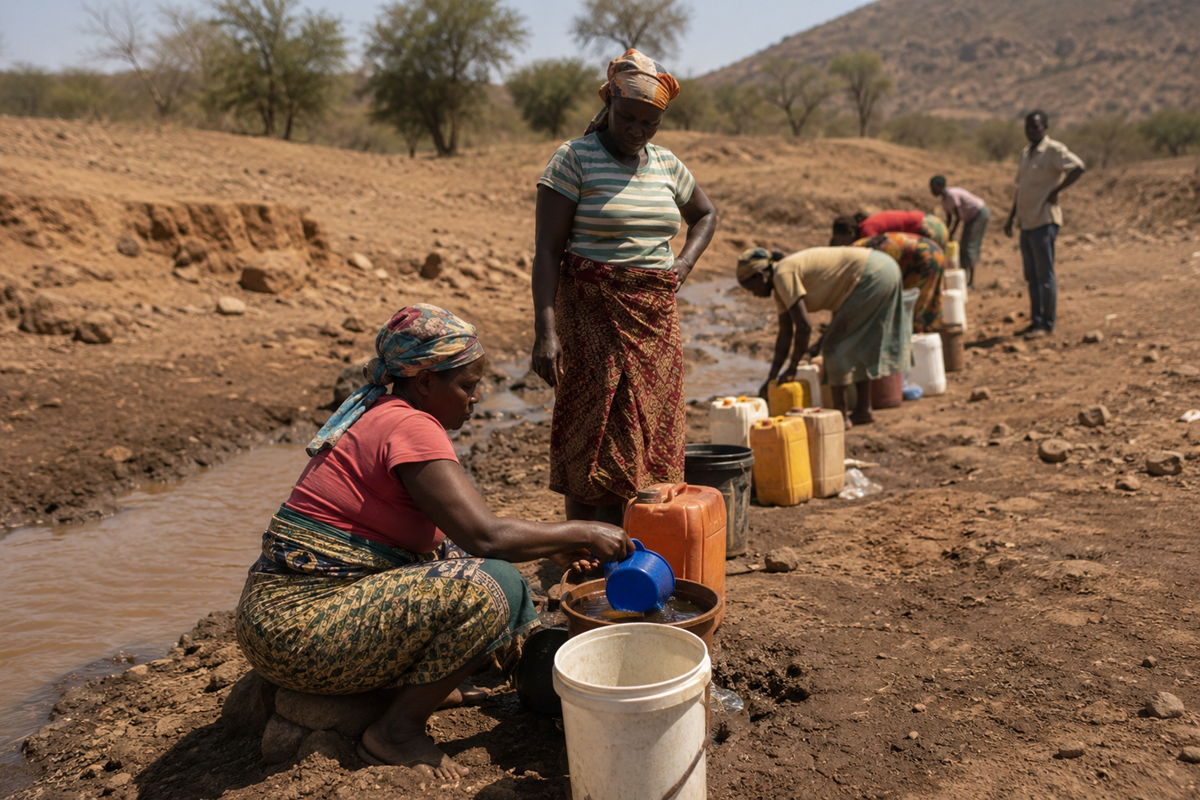
It is my humble submission that climate change must now be treated as a mainstream professional issue for health, development and social work practitioners. The effects of climate change are already visible in disease outbreaks, droughts, floods, food insecurity, water shortages, mental health distress, poverty and displacement. For social workers, climate change is not outside the profession but central to the profession’s mandate because it affects human wellbeing, family stability, social justice, child protection, livelihoods, mental health and community resilience. For public health professionals, climate change is not a future risk but already changing disease patterns, increasing health emergencies and weakening the social determinants of health. For development practitioners, climate change is not a separate environmental agenda because it is now a core threat to sustainable development and threatens attainment of the Global goals – SDGs.
Zimbabwe needs multidisciplinary professionals who can connect climate science with community realities. With health workers including public health professional who can explain climate-sensitive diseases, social workers who can support affected families, development practitioners who can design climate-resilient programmes, and policymakers who can protect the most vulnerable. Climate change awareness should therefore be mainstreamed in classrooms, clinics, communities, social welfare offices, development programs and policy spaces. The future of development, health and social justice depends on our ability to act now.
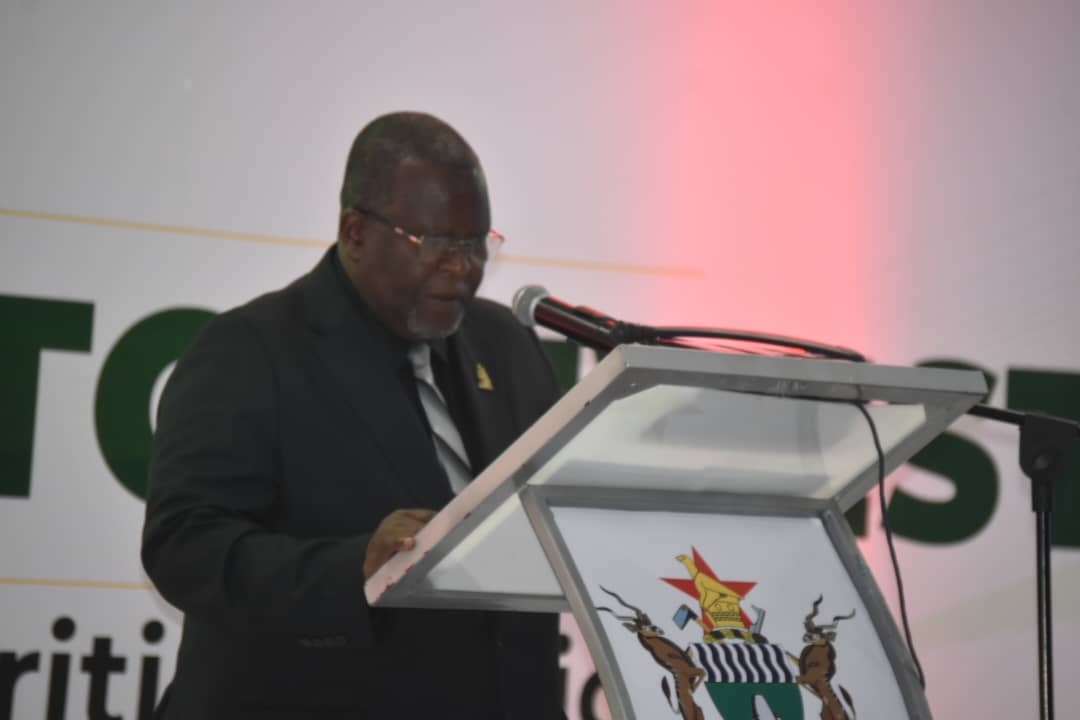
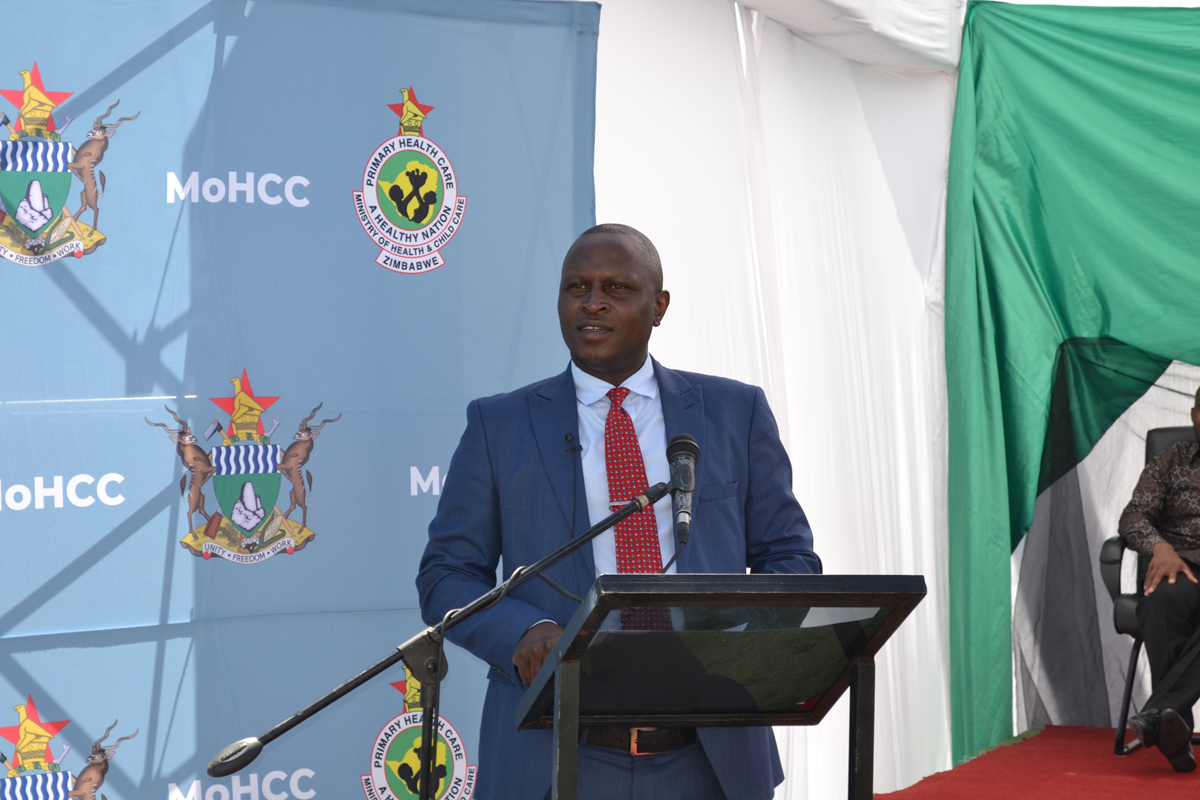
As His Excellency President Emmerson Mnangagwa stated at the 1st Climate and Health Africa Conference in Harare, “Climate change is not merely an environmental disaster. It is a public health emergency.”
About the author
Tanaka Musungwini is a 4th Year BSc Honours Social Work student at Women’s University in Africa. She is a youth, public health and social advocate with interests in child protection, community development, public health, youth empowerment, social justice and climate-change.
Disclaimer
While the author acknowledges and references work from various organisations, scholars and policy sources, the views expressed in this article, as well as any errors or omissions, remain the sole responsibility of the author.