Kuda Pembere in Bulawayo
Mawaba Primary School says it is determined to preserve the gains achieved through the DREAMS programme, including a dramatic reduction in child sexual abuse cases, despite the suspension of funding for the initiative.
School authorities say the programme helped establish a Gender-Based Violence (GBV) room and strengthened child protection systems, contributing to a situation where the school has not recorded a single case of child sexual abuse since 2020.
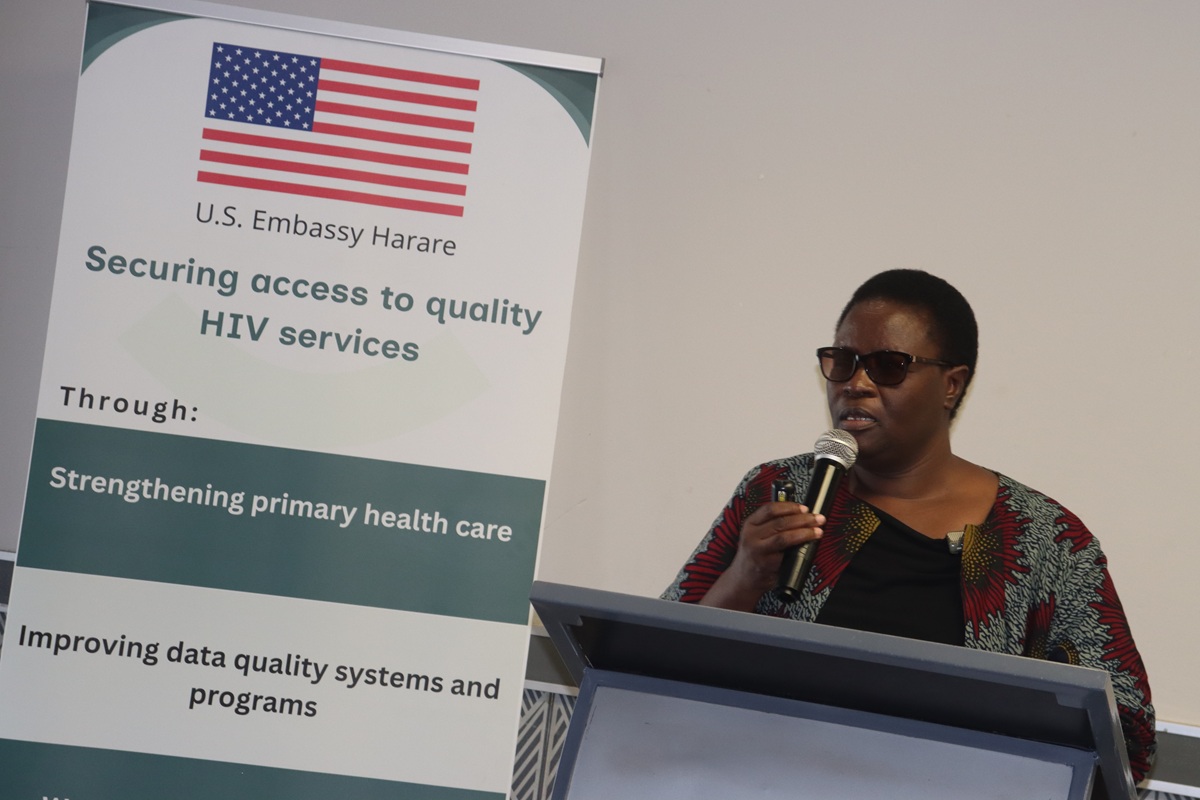
The Determined, Resilient, Empowered, AIDS-free, Mentored and Safe Girls (DREAMS) programme was supported by the United States Government and implemented locally with the support of the National AIDS Council (NAC). The initiative focused on preventing HIV infections among adolescent girls and young women while addressing gender-based violence, teenage pregnancy and other social vulnerabilities.
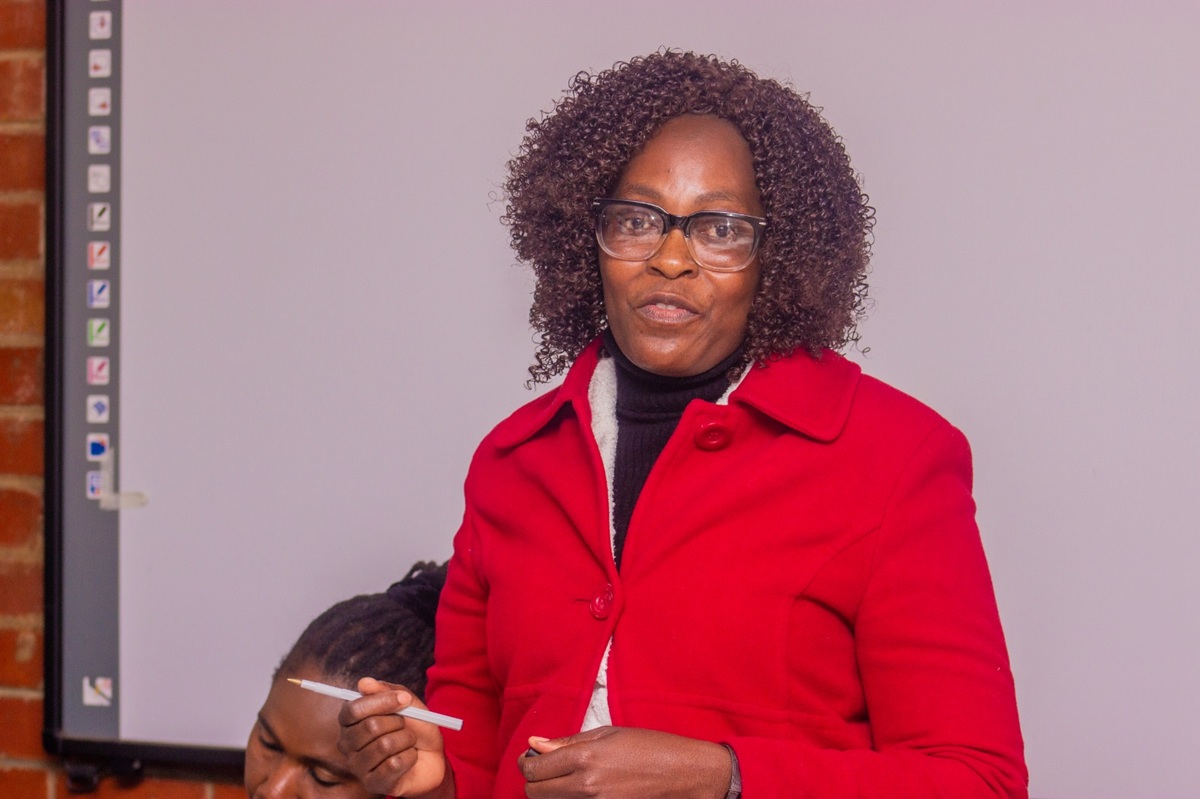
Speaking during a media tour organised by NAC, Mawaba Primary School headmistress Mrs Nokuthula Sibanda said the project left a lasting impact on the school and surrounding community.
“This DREAMS programme introduced us to the concept of a GBV room. Teachers and school heads were trained, and after receiving that knowledge we sat down with the School Development Committee and explored ways of helping learners, staff members and the wider community,” she said.
Mrs Sibanda said the school converted one of its classrooms into a dedicated GBV room where learners and community members could seek counselling, support and referrals.
“We saw many learners facing various forms of abuse and neglect. Some were experiencing sexual abuse at home, while others needed counselling and psychosocial support. That is why we established the room and opened it to learners, teachers and the community,” she said.
“After the room was established and support systems were strengthened, the number of cases dropped significantly. We have not recorded a case of child sexual abuse since 2020.”
Although funding for the DREAMS programme has been halted, Mrs Sibanda said the school intends to continue implementing the knowledge, systems and practices introduced through the initiative.
“Despite the DREAMS project being stopped, we will continue holding on to the gains we achieved,” she said.
National AIDS Council Bulawayo Metropolitan provincial manager Ms Sinatra Nyathi said Mawaba Primary School became one of the standout institutions under the DREAMS programme because of the way it embraced child protection and learner empowerment initiatives.
“We were working with the US Government through the DREAMS programme before funding was stopped. This programme empowered learners on issues of gender-based violence, HIV prevention and prevention of teenage pregnancies,” she said.
“I remember we came here with the American ambassador because Mawaba was doing very well in implementing the programme.”
Ms Nyathi said one of the programme’s strengths was helping learners identify and navigate risks in their communities through exercises such as risk mapping.
“The programme empowered learners to identify risky areas and situations in their daily lives and find ways of protecting themselves. It was a very important programme for empowering young people,” she said.
Health and child protection advocates say school-based interventions such as counselling services, safe spaces and community awareness programmes play a critical role in preventing abuse, promoting mental well-being and protecting children from HIV and other vulnerabilities.
Despite the funding challenges, Mawaba Primary School believes the systems established through DREAMS will continue benefiting learners and the wider community for years to come.