Michael Gwarisa
…National Blood Service Zimbabwe scales up collection target to nearly 90,000 units as NAT enhances safety and access to new donor sites
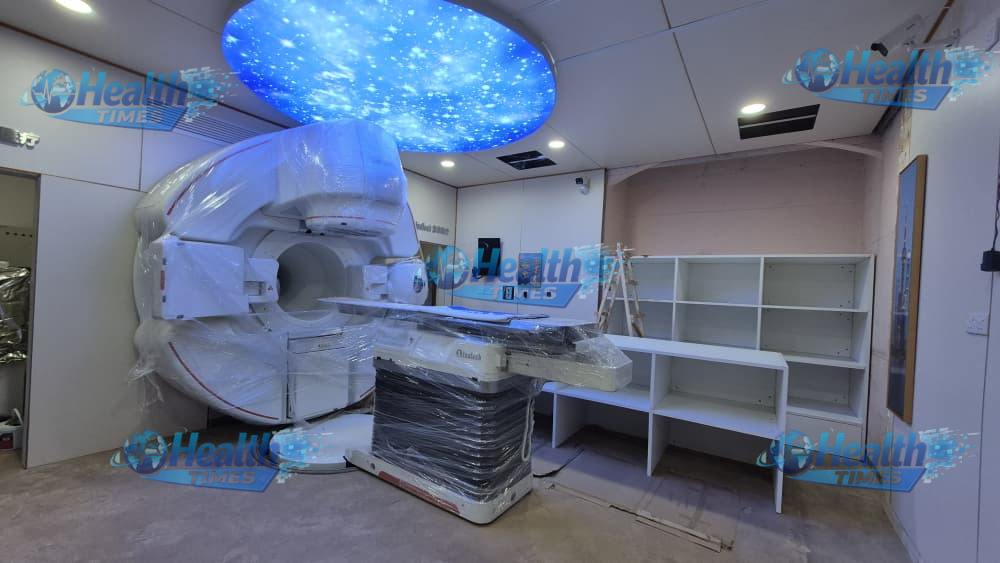
The commissioning of the Nucleic Acid Testing (NAT) machine at the National Blood Service Zimbabwe (NBSZ) in early 2026 has significantly transformed blood collection operations, enabling the national blood bank to expand donor outreach into previously inaccessible areas while strengthening blood safety and supply.
Traditionally, NBSZ relied heavily on what it termed “safe” and predictable collection environments, mainly schools, institutions of higher learning, workplaces, and religious gatherings. These settings were preferred because of their repeat donor populations and ease of follow-up.
However, with the introduction of NAT technology, donated by the National AIDS Council and commissioned by Health and Child Care Minister Dr Douglas Mombeshora in February 2026, the organisation says it can now safely broaden its donor footprint.
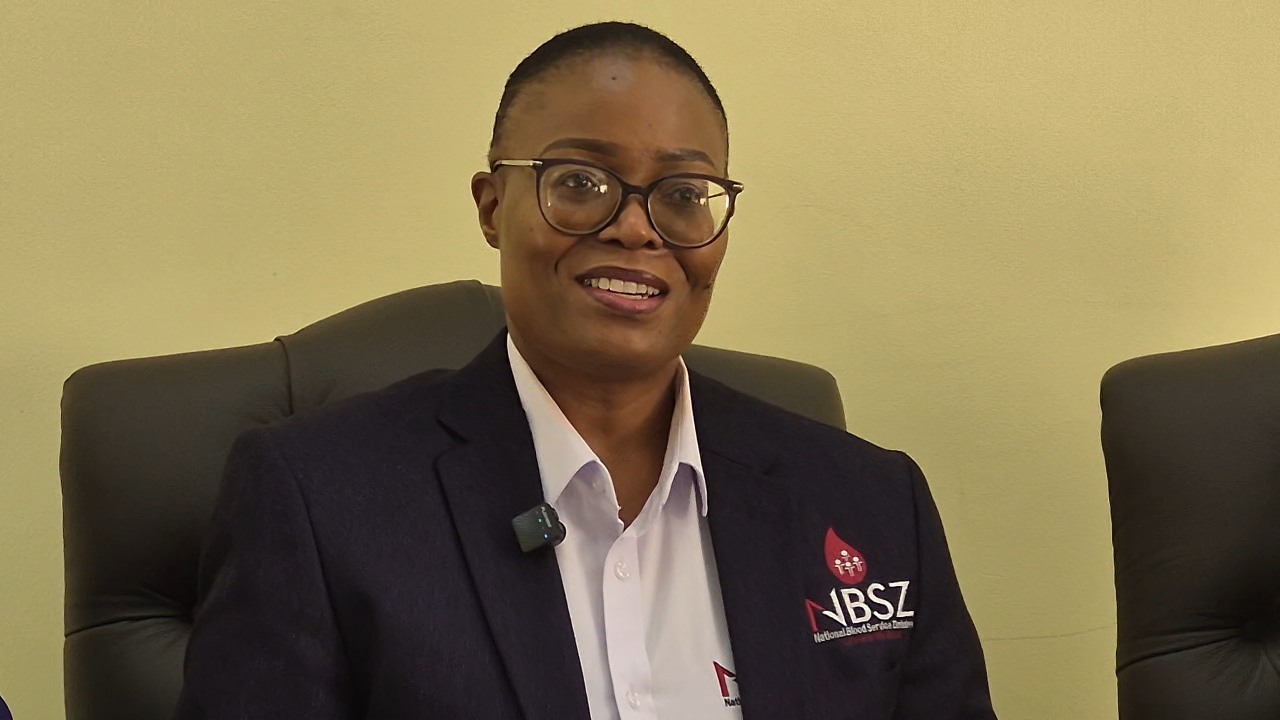
Speaking to HealthTimes, NBSZ Chief Executive Officer Ms Lucy Marowa said the new technology has changed both the safety profile and operational reach of blood collection.
“So, with the nucleic acid testing, what it means is enhanced blood safety and also opening up the space for potentially closed areas,” said Ms Marowa.
She explained that under the previous system, donor mobilisation was limited to areas where repeat encounters with donors were guaranteed.
“When I talk about safety, we are talking about areas where people repeatedly congregate, like schools and churches, where you know that if I go to this area, I will find this person again next time I come back,” she said.
“With nucleic acid testing, it means you can now open up even other spaces such as shopping malls. Even if the person comes in once and you never find them again, that’s still fine. You can now potentially collect blood from there, meaning that our stops are now much higher.”
Ms Marowa said this expansion in collection sites has directly contributed to an upward revision of national blood collection targets.
“You will notice that our targets for last year and this year are different. We scaled up our target by 10 percent. We are aiming to collect just under 90,000 units, yet last year our target was around 82,000,” she said. “This is all thanks to the idea of nucleic acid testing. We have a wider pool from which we can actually collect blood.”
Beyond expanding access, the NBSZ says NAT technology has also strengthened confidence in blood safety by improving early detection of infections such as HIV, Hepatitis B, and Hepatitis C, including at very low levels that traditional testing methods may miss during the window period.
As a result, the organisation is now able to intensify outreach efforts without compromising safety standards, particularly in urban and semi-urban environments where donor mobility is high.
Meanwhile, Ms Marowa moved to clarify the current national blood stock position, noting that while supplies are stable, there are variations across different blood groups.
“When we say we have adequate stock, we are looking at a minimum of five days’ supply of blood,” she said.
She explained that blood stocks are monitored by blood group, mainly A, B, O, and AB, with particular emphasis on A, B, and O due to demand patterns.
“As we sit right now, blood group A is at eight days cover, blood group B is at 13 days cover, and blood group O is between 2.5 and 3 days cover,” said Ms Marowa.
She cautioned that while the overall national position is not critical, blood group O remains under pressure and requires urgent donor mobilisation.
“So that means we need more of blood group O than the other blood groups. We are not critical—I will emphasise that—but at the same time we would like to make sure that we have enough,” she said.
“Our O is not at the ideal, but we are not critical. Let’s encourage those with blood group O to step forward so that we can push it up to at least five days minimum.”
Ms Marowa added that maintaining a five-day stock level is crucial for emergency preparedness, as it provides a buffer in the event of disruptions to donor mobilisation.
“When we talk about five days, it means we have enough in case of an emergency that stops us from going out there to collect blood. We will be having enough stock to take us for the next five days without collecting,” she said.