By Kuda Pembere
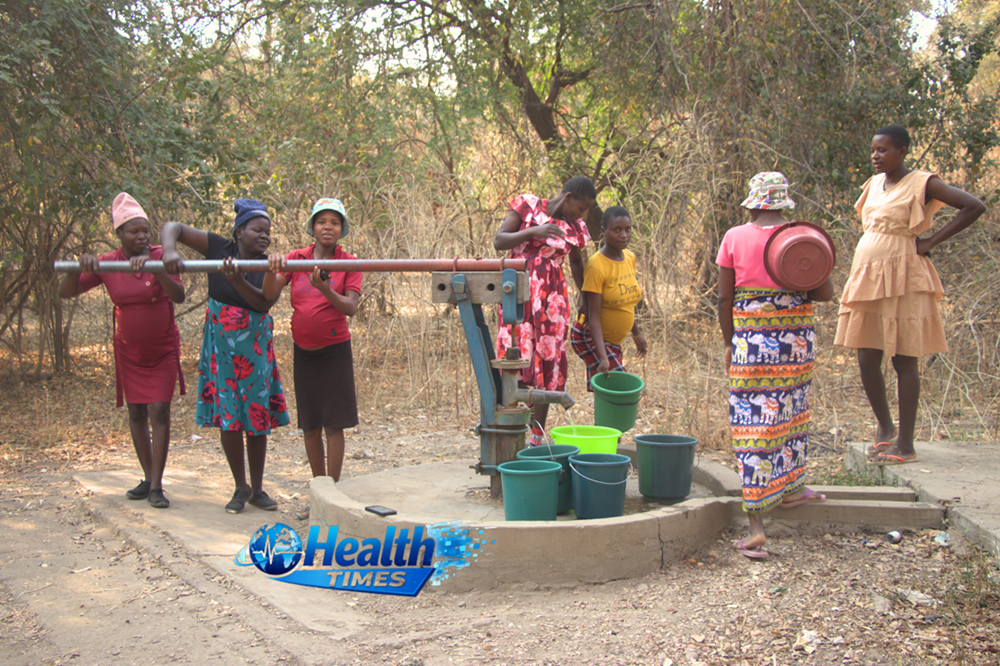
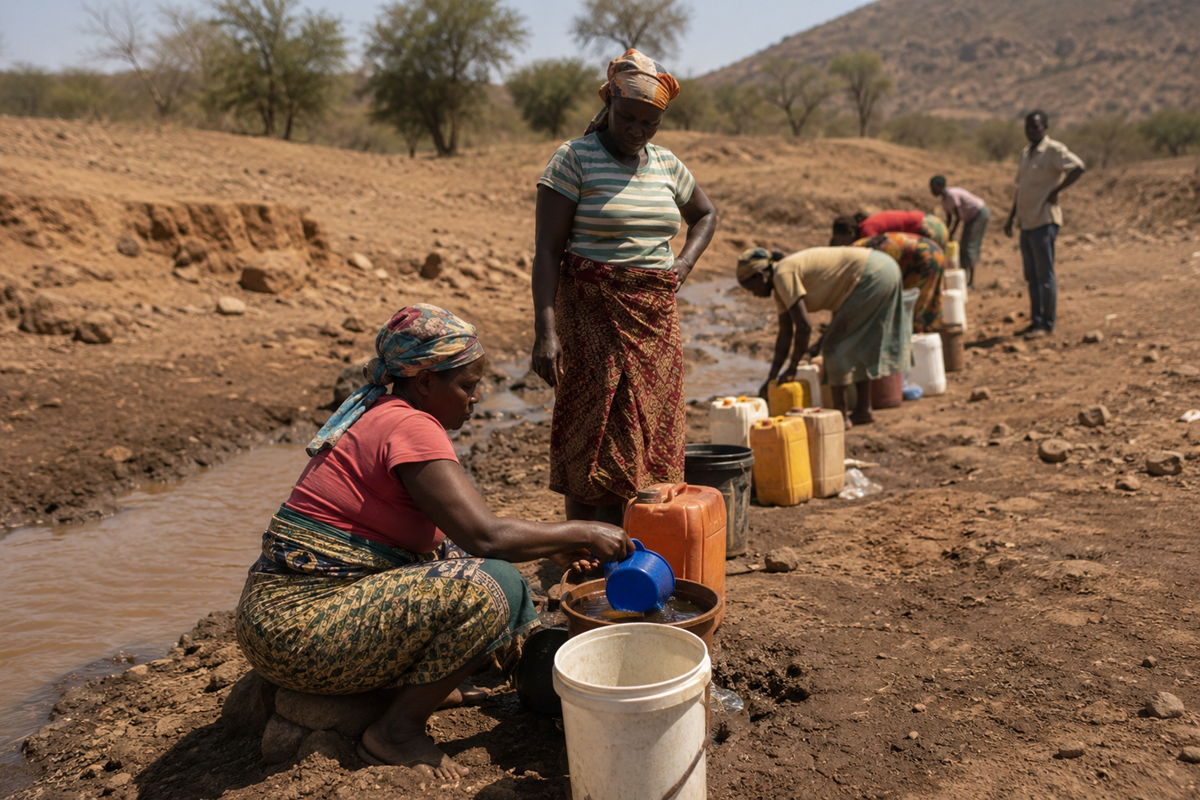
Two Harare institutions long plagued by unreliable water access, Rujeko Polyclinic and Kuwadzana 5 Primary School received a critical boost with the installation of solar-powered water schemes expected to significantly reduce service disruptions and the risk of waterborne diseases such as cholera and typhoid. With water storage capacities of 20,000 litres each, the systems were officially handed over on Tuesday by the Zimbabwe Red Cross Society (ZRCS) to the Dzivaresekwa and Kuwadzana communities. The systems were installed at Rujeko Polyclinic and Kuwadzana 5 Primary School, both of which have struggled with erratic water supply due to frequent electricity outages and limited access to safe water.
Speaking at the handover ceremony at Rujeko Polyclinic, City of Harare Health Director Dr. Prosper Chonzi, represented by the City’s Northern Region District Medical Officer Dr. Albert Mupambo, underscored the essential role of clean water in public service delivery.
“Access to clean, reliable water remains a cornerstone of effective healthcare and education. For too long, our clinics and schools have had to grapple with erratic water supplies, exposing staff, patients, learners, and the broader community to unnecessary health risks. We have seen how water shortages cripple service delivery and leave institutions vulnerable to outbreaks of cholera, typhoid, and other waterborne diseases,” he said.
Valued at over US$46,000, the two solar-powered schemes were implemented with support from the Finnish Red Cross and the European Union’s Civil Protection and Humanitarian Aid Operations (ECHO).
“As the City of Harare, we are deeply grateful for this timely and thoughtful intervention. The handover of these solar-powered piped water schemes is more than an act of generosity. It is a demonstration of deep commitment to public health and the dignity of our communities,” Dr. Mupambo added.
He also highlighted the long-standing collaboration between the City of Harare and the Zimbabwe Red Cross Society.
“This initiative is the result of a decades-long partnership built on shared values of service, humanity, and community development. We commend the Red Cross for consistently providing meaningful support, whether during emergencies or in strengthening systems before crises occur.
“I also want to sincerely thank the Finnish Red Cross and ECHO. Your continued support through the Red Cross Movement has had far-reaching impacts. These water schemes are not just infrastructure. They are enablers of dignity, agents of disease prevention, and symbols of hope.”

ZRCS Secretary-General Elias Hwenga said the new water systems represent a turning point for Rujeko Polyclinic, which previously relied on an electricity-powered borehole that was unreliable.
“The installation of these two solar-powered systems, each with a 20,000-litre storage capacity, marks a significant milestone in addressing persistent water shortages at these critical institutions. With generous funding from ECHO and the Finnish Red Cross, we are proud to provide a reliable source of safe water, essential for healthcare and education.
“Previously, Rujeko Polyclinic depended on a borehole powered by grid electricity, a system plagued by disruptions, particularly affecting maternity services. The lack of consistent water supply forced many in the community to seek unsafe alternatives, increasing their vulnerability to cholera and other waterborne illnesses. This project directly addresses those challenges,” Hwenga said.

Each system is equipped with an inline chlorinator that treats the water on-site. At Kuwadzana 5 Primary School, Deputy Head Pedzisayi Masvaure said the intervention will significantly reduce the prevalence of waterborne illnesses in their community.
“The project has been a huge help, both in providing water to the community and to our learners. Our catchment area includes the paddock, previously a cholera hotspot. Many children used to bring unsafe water from wells, but now they have access to clean, chlorinated water. This has led to a notable reduction in diseases like cholera and typhoid,” he said.
Staff at Rujeko Polyclinic echoed similar sentiments, welcoming the development as a game changer for healthcare delivery.
“Before the Red Cross came in with this project, we had serious water challenges. Our borehole pump was dysfunctional, and we relied on electricity, which was often unavailable. We sometimes had to prioritize the clinic over the community for water use, and even then, it wasn’t enough.
“After we received a water bowser, we faced transport problems to have it filled. We even had to source water from nearby organizations like the police and DZIKWA Trust. Now, with a borehole powered by both solar and electricity, we can access water daily without interruption. Water is now running in our taps,” Sister in Charge Miriam Mugweni said.
John Roche, Head of Country Cluster Delegation for Zimbabwe, Zambia, and Malawi at the International Federation of Red Cross and Red Crescent Societies (IFRC), said such WASH initiatives are crucial to national epidemic preparedness.
“When cholera strikes, it’s too late. You’ve already lost the battle. We must act in advance. Prevention means ensuring access to clean water, community cooperation, and environmental cleanliness,” he said.
Loice Munhenga, a representative of the Finnish Red Cross, stressed the broader health benefits of clean water.
“It means improved health, improved hygiene in schools and a stronger fight against diseases such as cholera. These solar-powered systems stand as proof of what we can achieve through collaboration and a shared commitment to protecting communities,” she said.