By Michael Gwarisa
Zimbabwe’s business community has warned that introducing more health levies without consulting the private sector could negatively affect business operations and undermine collaborative health financing efforts.
Over the years, the government has introduced several taxes to boost domestic health financing. These include the airtime levy, the fast-food levy, and the sugar tax. While acknowledging that these levies have helped close some of the funding gaps left by departing development partners, the private sector believes the measures need better coordination and transparency.
Zimbabwe Business Council Executive Director, Mr. Reason Machengere, said the private sector supports the idea of sustainable domestic financing for health, but called for greater involvement of business in planning, resource collection, and utilisation.
A lot of levies are being introduced, and some of these have really bridged the gap left by the various funding partners who exited the country. But we are also calling for business-friendly policies and inclusive domestic financing frameworks. The private sector should be part of the process of designing, collecting, and efficiently using these resources,” said Machingura.
He added that the private sector is already a key partner of the National AIDS Council (NAC) in mobilising resources for the HIV response, and similar models could be replicated across other health programmes.
“The partnership should not end at the collection point. It should extend to how resources are utilised within our health response system,” he said.
Machingura cited the AIDS Levy as a model of transparency and accountability that could be used for new health taxes.
“The AIDS Levy has shown that it is possible to collect, ring-fence, and use resources effectively. Once the money is collected, it goes directly to NAC, where it is audited periodically, and there have been no major problems. We believe this blueprint can guide the administration of other health taxes currently being introduced,” he said.
He also noted that the private sector was working closely with the Ministry of Health and other partners in reviewing the Private Sector TB Response and aligning it with the National Strategic Framework that will guide Zimbabwe’s health sector until 2030.
“With support from NAC, we have started mapping private sector service providers to understand who is doing what, where they operate, and how best to coordinate them. We are grateful to the National Health Council and the Zimbabwe Private Sector HIV and AIDS Association for supporting this initiative,” Machingura added.
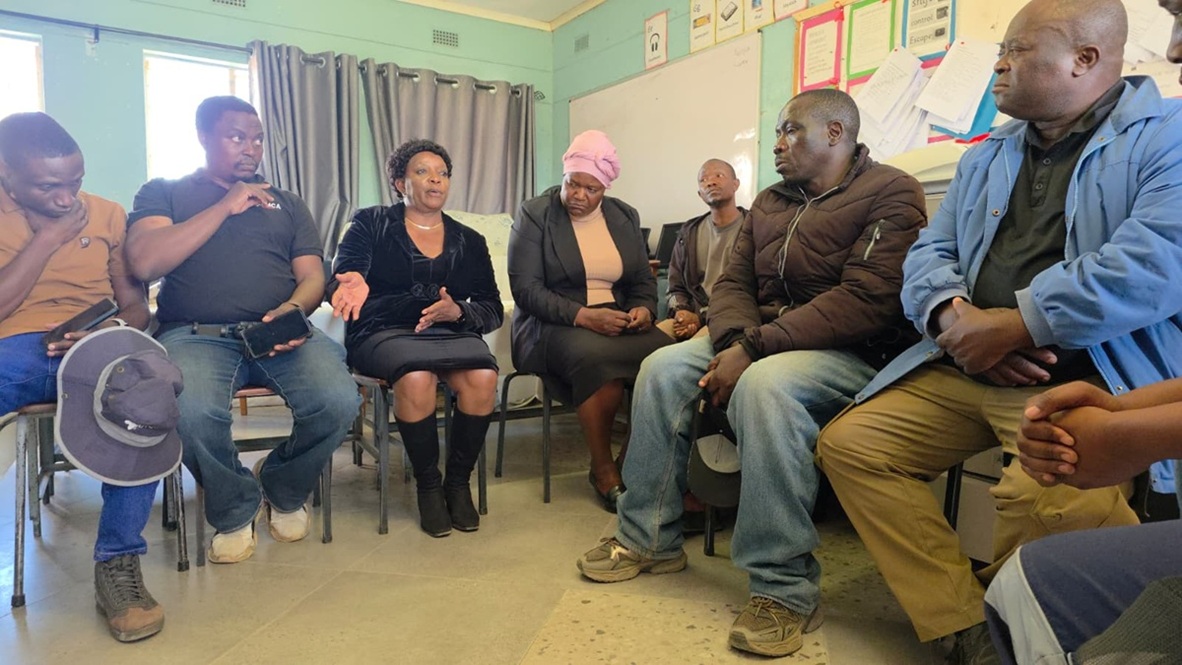
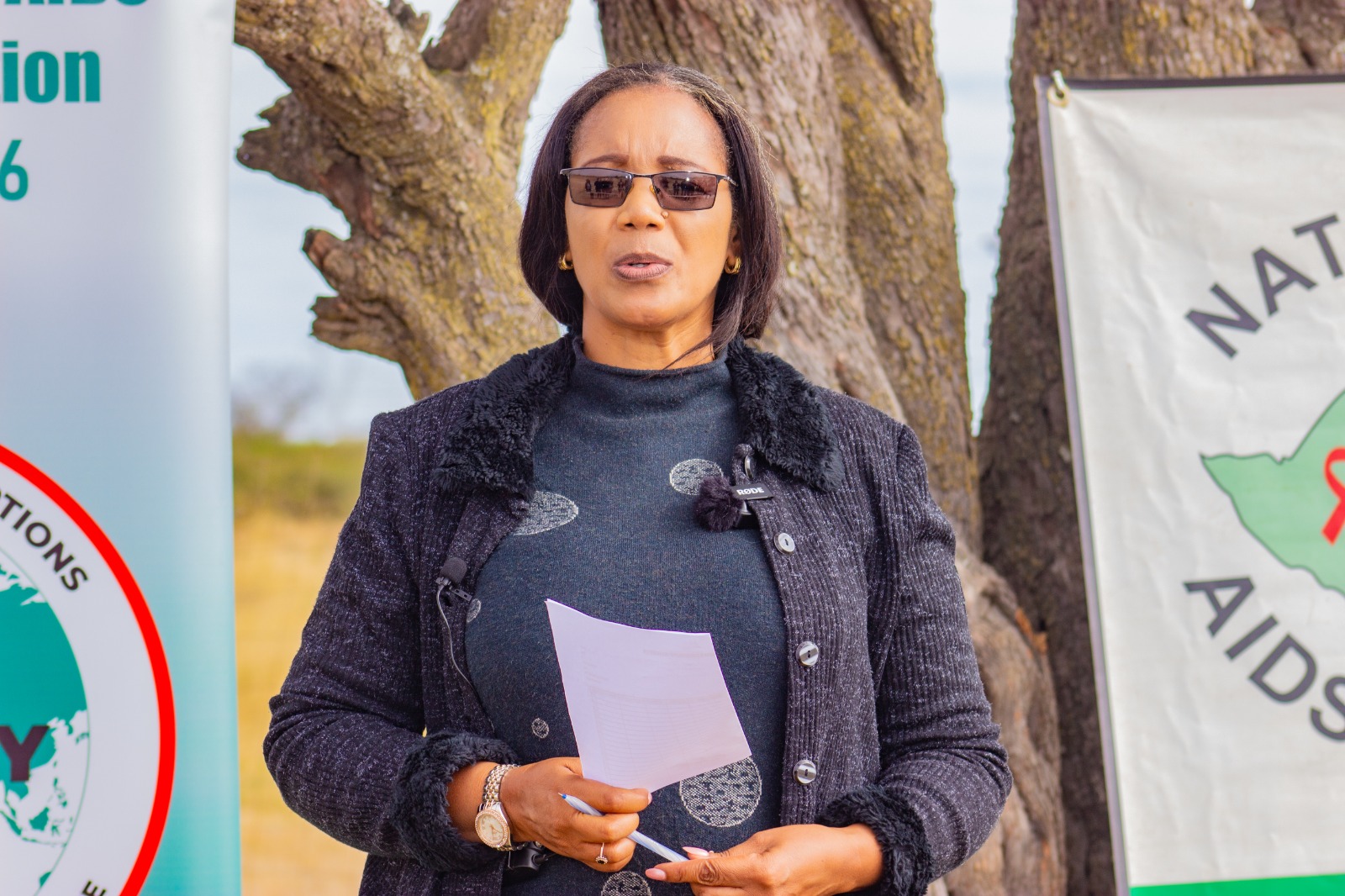
Speaking at the same meeting, Dr. Tsitsi Apollo, Deputy Director for the AIDS and TB Unit in the Ministry of Health and Child Care, underscored the importance of ring-fencing all health levies to ensure accountability and sustained health financing.
“We hope that there will be continued planning for health sector shocks so that we do not experience similar funding crises in the future. It is important to maintain dialogue between government, partners, and the private sector to align national priorities. Meetings like this one are critical for that alignment,” said Dr. Apollo.
She also highlighted the need for long-term investments in local production of medicines and commodities to reduce reliance on external funding and improve health security.
Dr. Apollo said the planned National Health Insurance Scheme (NHIS) would include a core package of essential services, such as HIV programmes, that should be sustainably financed through local contributions.
“Once the NHIS kicks off, HIV services will also be supported. One of the recommendations from recent assessments was to develop a minimum service package under different funding scenarios. We looked at what would happen if there was zero, 25 percent, or 50 percent external funding and how our programmes could be remodelled to continue providing quality services and achieving desired results,” she said.
Dr. Apollo emphasised that such strategic prioritisation would ensure Zimbabwe’s health sector remains resilient even as donor support declines.
The dialogue between the Ministry of Finance, the health sector, and the business community comes at a time when Zimbabwe is exploring new revenue measures to sustain its health system. The private sector insists that consultation and transparency will be key to avoiding policy missteps that could discourage investment and burden consumers.
As the country moves toward more domestically financed health programmes, stakeholders agree that a balance must be struck between generating revenue and protecting economic growth.
“We are not opposed to contributing toward national health goals,” said Machingura. “We only ask that businesses be consulted so that new taxes strengthen, rather than weaken, the economy and the national health system.”