
Kuda Pembere
Zimbabwe has begun the process of drafting its new National Health Strategy which also aimes to ensure all health financing is properly managed and effectively utilized, a top Cabinet official has said. This includes the much-anticipated National Health Insurance Scheme (NHIS), which is set to provide financial protection for families and reduce out-of-pocket expenses.
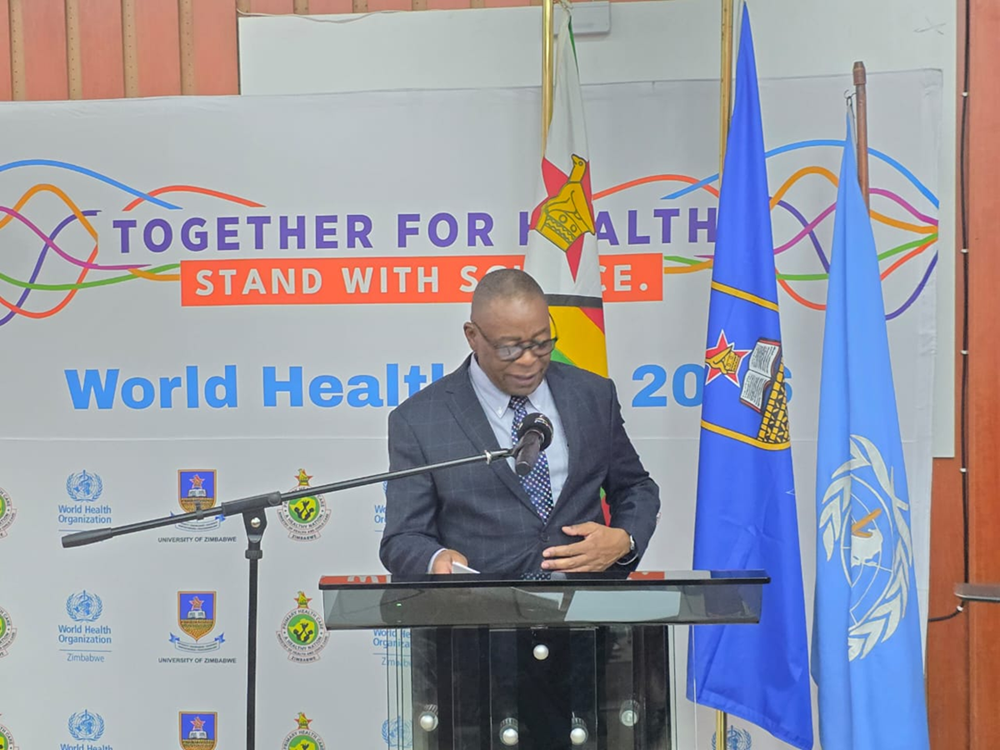
Speaking at a Post-Cabinet Media Briefing on Tuesday, Information Minister Dr Soda Zhemu said, “The Ministry of Health and Child Care has commenced the process of developing a new National Health Strategy in line with the National Development Strategy 2. The strategy will harness and ring-fence all possible health financing, including the National Health Insurance Scheme. We encourage all stakeholders to participate in consultations.”
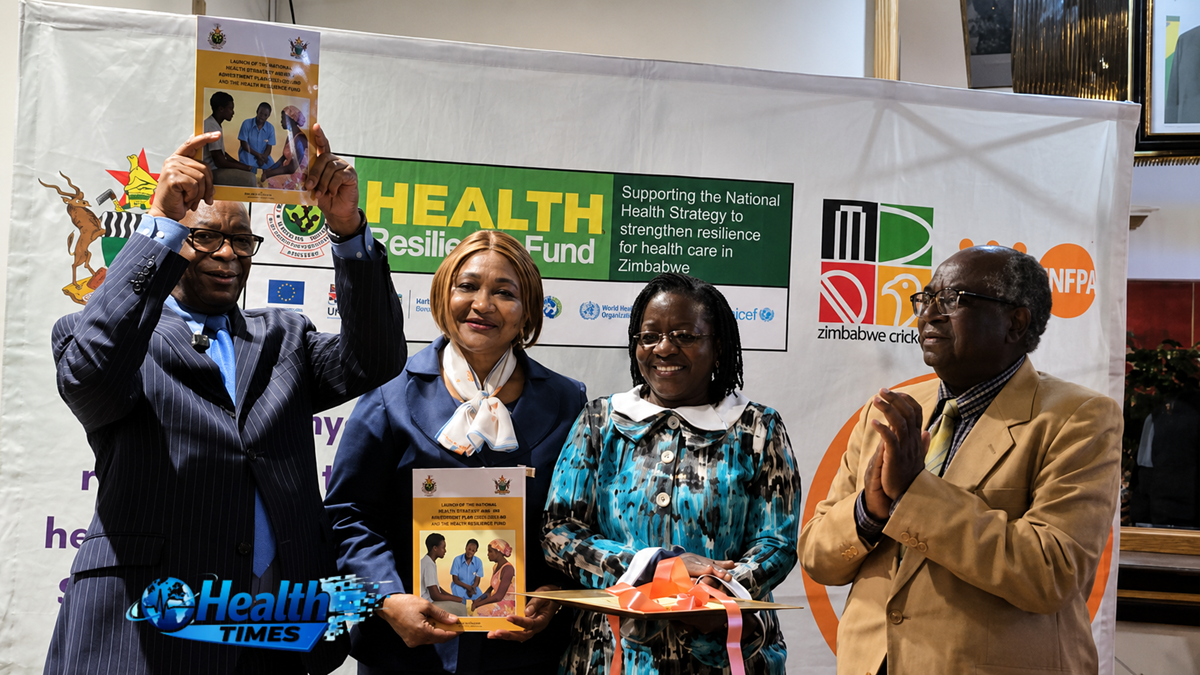
The strategy aligns with Zimbabwe’s broader development goals, seeking to strengthen the health system while addressing persistent funding gaps that place a heavy burden on households.
Fast-Tracking the National Health Insurance Scheme
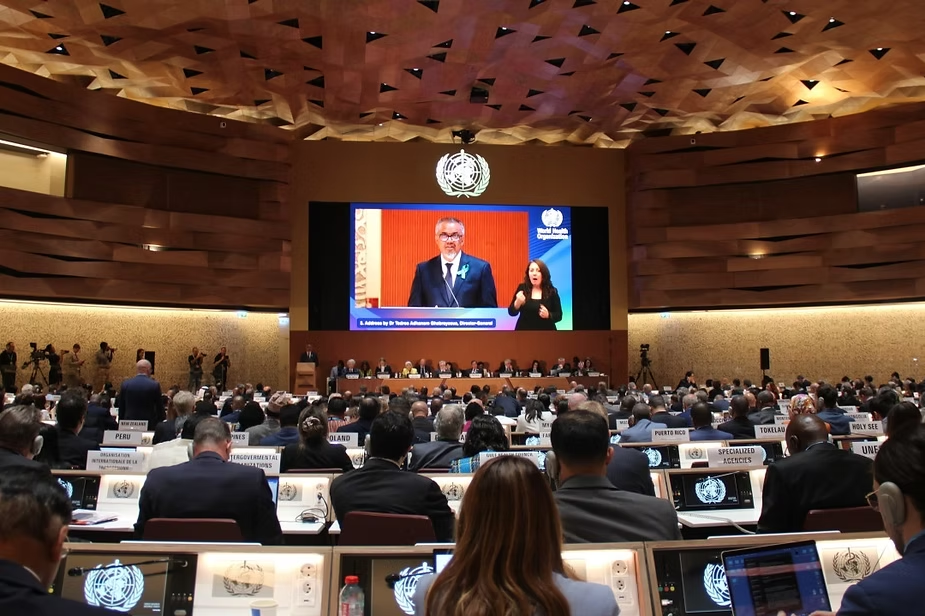
Health and Child Care Minister Dr Douglas Mombeshora provided an update on the health sector during the 76th East, Central and Southern Africa (ECSA) Health Ministers’ Conference held in Eswatini. He said the government is fast-tracking the NHIS as part of urgent reforms to ensure universal access to quality health services.
“The proposed scheme, whose draft Bill awaits submission to Parliament, will provide financial risk protection for families while creating a more sustainable and equitable health financing system,” Dr Mombeshora said.
He emphasized that rising out-of-pocket spending and limited public funding have made health insurance reforms critical. “To enhance financial protection, Zimbabwe is fast-tracking the National Health Insurance Scheme. Public expenditure on health remains below the Abuja target of 15 percent, and out-of-pocket spending continues to rise,” he noted.
The scheme will pool resources, expand access to essential services, and protect families from catastrophic health costs. It is expected to mobilize domestic resources through contributions from workers, employers, and the government, while subsidizing vulnerable groups, including the elderly, children, and low-income households.
Under the NHIS, healthcare costs—from consultations and diagnostic tests to treatments and surgeries—will be covered, reducing or eliminating the need for out-of-pocket payments. Funding will rely on existing and new taxes, such as sugar and airtime levies, which the government intends to “ring-fence” specifically for health purposes. Once operational, citizens will be able to access services across public and accredited private health facilities without paying large sums at the point of care.
Health System Resilience Amid Fiscal Constraints
Despite reduced donor support and limited public financing, Zimbabwe’s health system has demonstrated resilience and sustained improvements in key health indicators, Dr Mombeshora told conference delegates.
“Zimbabwe’s health system has shown notable resilience in recent years. Despite fiscal constraints and the withdrawal of key donor support, we have sustained essential services and continued to improve population health outcomes,” he said.
Itai Rusike, executive director of the Community Working Group on Health (CWGH), told HealthTimes that many countries are increasingly adopting earmarked health taxes to mobilize domestic resources and close persistent financing gaps. “Such taxes are designed to discourage consumption of unhealthy products while generating revenue dedicated to health programmes,” he said.
Examples include South Africa’s sugary beverage excise tax, introduced in 2018, which reduced purchases of taxed drinks, Botswana’s sugar tax of 2021, and Ghana’s tobacco tax increase in 2023, a portion of which is earmarked for health. Health taxes offer a triple benefit: they save lives, reduce reliance on donor funding, and lower long-term health system costs.
The sugar tax is administered as an excise duty and collected by the Zimbabwe Revenue Authority, with funds deposited into the Consolidated Revenue Fund. However, Rusike said, this arrangement raises concerns that revenue could be redirected toward general government expenditure rather than its intended health purposes. While ring-fencing mechanisms exist for revenues generated through the AIDS and Health Levies, the sugar tax currently lacks similar protections, raising concerns about transparency and accountability.
“While government has established ring-fencing mechanisms for revenues mobilized through the AIDS and Health Levies, the Sugar Tax lacks similar safeguards, raising concerns about transparency and the risk of possible diversion.
“While the sugar tax generate significant revenue, there are ongoing concerns regarding the efficiency, transparency and accountability of resource distribution. For instance, there has been growing concerns from a number of stakeholders regarding the transparency and effective utilization of funds mobilized through the sugar tax in Zimbabwe,” Rusike said.
Zimbabwe’s Health Taxes
Zimbabwe has implemented several innovative taxes to mobilize domestic resources for healthcare:
Sugar Tax
Introduced in 2024 as the Special Surtax on Sugar Content, this tax targets sugar-sweetened beverages to fund cancer diagnosis and treatment. Initially set at US$0.002 per gram of sugar, it was reduced to US$0.001 in February 2024 following industry concerns. Revenue generated has exceeded US$55 million between 2024 and 2025, with Treasury disbursing over US$5 million to suppliers of radiotherapy machines destined for Zimbabwe. While the AIDS and Health Levies have established ring-fencing mechanisms, the sugar tax currently lacks similar safeguards, raising transparency and accountability concerns.
Fast Food Tax
Introduced on January 1, 2025, this 1 percent levy targets high-consumption fast food items linked to non-communicable diseases. Simbisa Brands Limited reported paying nearly US$1 million in the first half of 2025.
Airtime Levy
Launched in 2017, the levy imposes a five-cent charge per US dollar of airtime purchased, generating about US$2 million per month for the health fund.
AIDS Levy
Established in 1999, the AIDS Levy imposes a 3 percent tax on individual incomes and employer profits (excluding the mining sector until 2015). Managed by the National AIDS Council (NAC) through decentralized AIDS Action Committees, the levy generated approximately US$60 million in 2025 amid reduced donor support.
Challenges and the Path Forward
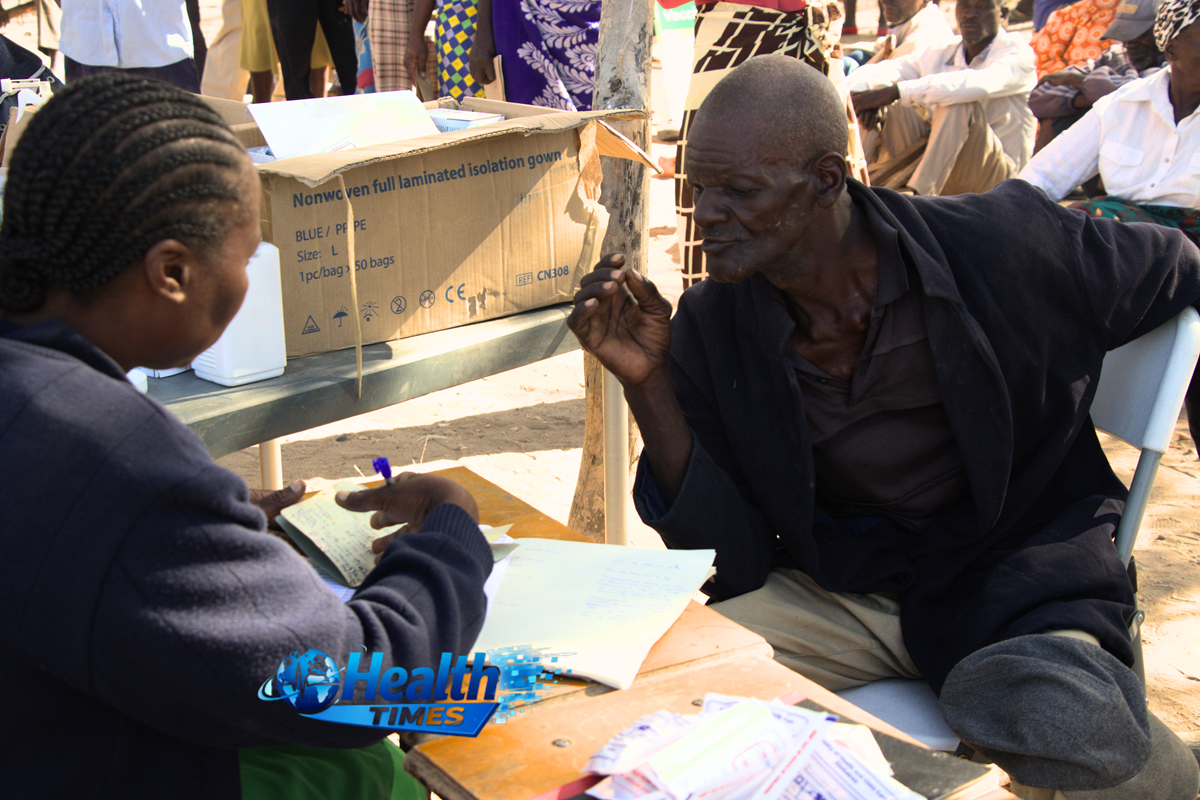
Limited public financing continues to push households toward out-of-pocket payments and reliance on external funding, which are unsustainable in the long term. Ring-fencing health revenues and implementing the NHIS are critical steps toward achieving universal health coverage.
The National Health Strategy emphasizes stakeholder engagement and transparency in resource allocation. By mobilizing domestic resources, discouraging unhealthy consumption, and expanding equitable access to services, Zimbabwe aims to strengthen its health system and protect citizens from financial hardship.
Zimbabwe’s new National Health Strategy represents a bold step toward sustainable health financing and universal access to care. By fast-tracking the National Health Insurance Scheme, leveraging innovative health taxes, and reinforcing fiscal accountability, the government seeks to reduce out-of-pocket costs, mobilize domestic resources, and address the rising burden of non-communicable diseases. While challenges remain, particularly in transparency and ensuring funds are ring-fenced, the strategy lays a strong foundation for a more equitable, resilient, and accessible health system for all Zimbabweans.