Kuda Pembere
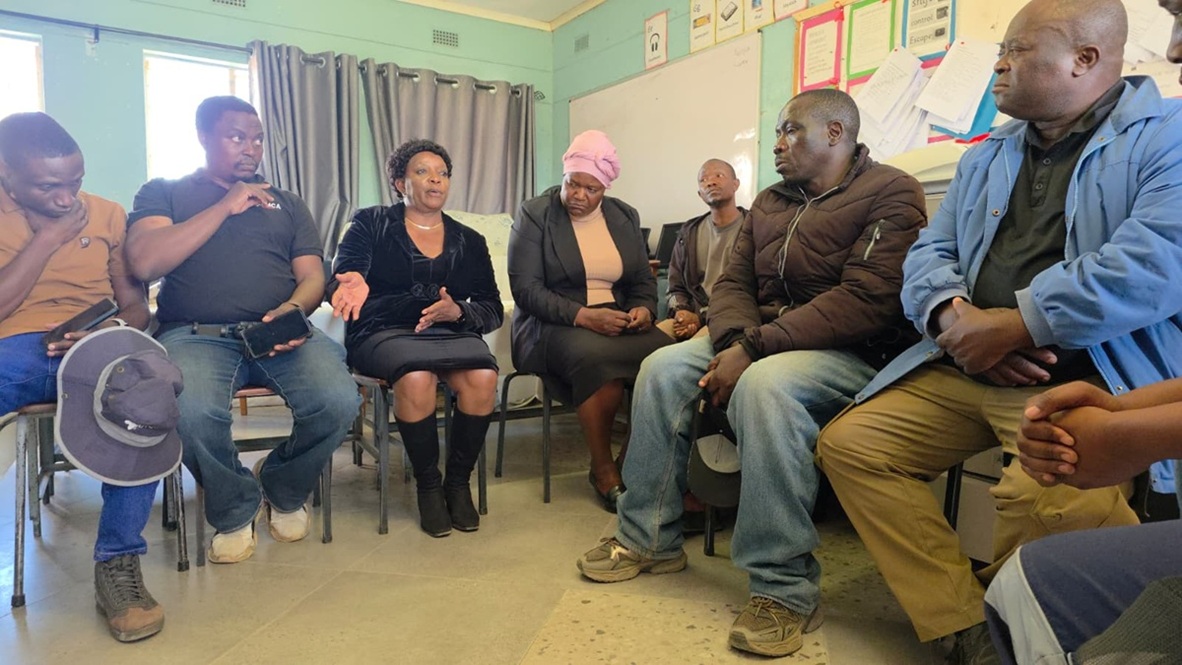
At a time when Africa records more than 200 public health emergencies annually, SADC member states and selected countries from East and West Africa have gathered in Zimbabwe for a five-day Southern African capacity building training for the African Volunteer Health Corps (AVoHC).
The training facilitated by Africa CDC, seeks to strengthen preparedness and response mechanisms among SADC member states and ensure countries are better positioned to act swiftly when disasters strike.
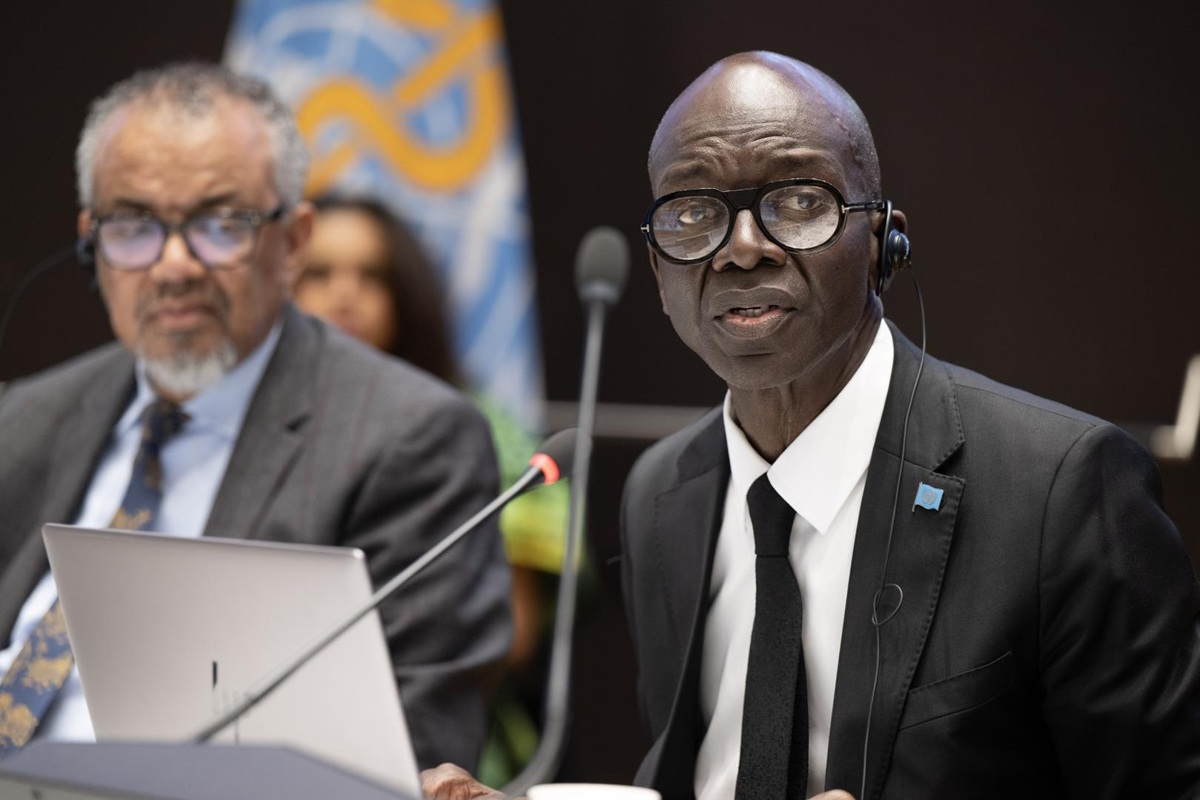
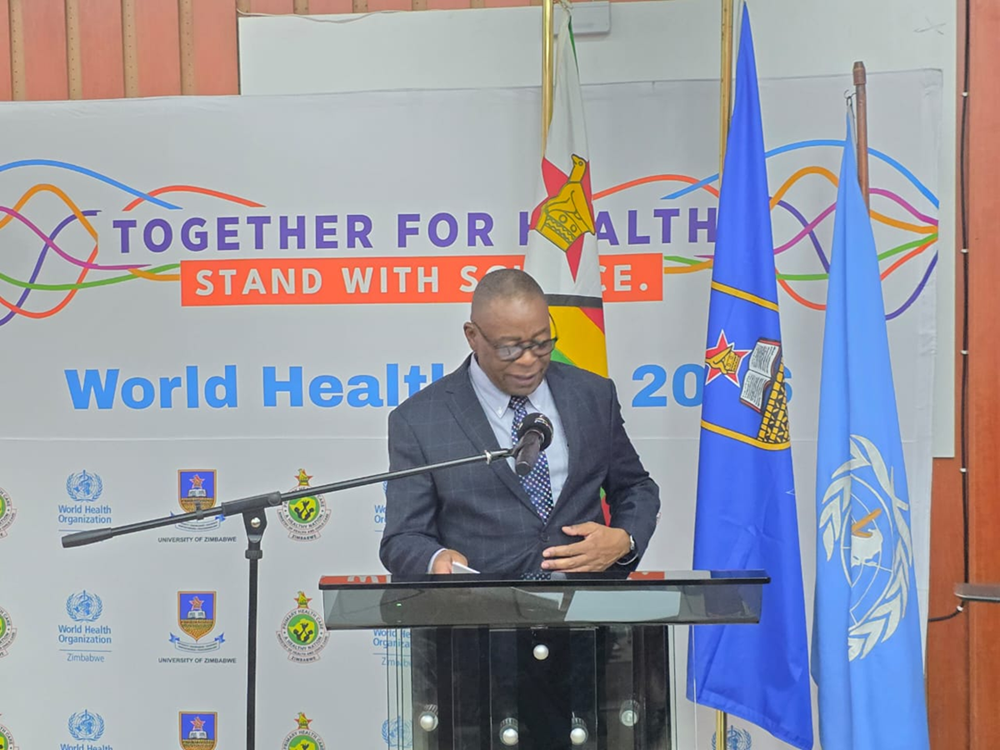
Officiating at the workshop, which began on Monday, Health and Child Care Minister Dr Douglas Mombeshora said the initiative comes at a critical moment, bringing together professionals involved in emergency management.
“Yes, this is a very important meeting where they are called African Volunteer Health Corps. This is a training for health professionals, clinical practitioners, including administrators, community workers and communicators, in preparedness for emergencies,” he said. “It has been realised that it is very difficult to mobilise people when an emergency occurs. So this is part of cooperation in advance so that these people are trained. They are coming from different countries, so these health professionals are trained in advance in emergency responses.”
He said the programme also accommodates countries whose personnel may have missed earlier training sessions.
“So that when there is an emergency in any country, they can be quickly mobilised to respond effectively. This is the whole purpose of the training taking place from today until Friday. For the next five days, trainers from various countries will train these participants.
“All the countries from SADC, except Mozambique and Seychelles, are represented. There are also participants from Rwanda and Nigeria because they missed their training in those regions, so they are coming here to train as well,” Minister Mombeshora said.
He added that Zimbabwe is also benefiting from the programme.
“We are also part and parcel of this training. It is an ongoing programme. We have our emergency operations centre where people respond to emergencies internally, but this training brings together professionals from across the continent.
“The aim is that each country must have trained people. The first responders must be from that country, but if additional capacity is required, experts can be mobilised from anywhere in Africa to ensure that the emergency is dealt with quickly. Zimbabwe is no exception,” he said.
The Head of the Emergency Preparedness and Response Division at Africa CDC, Dr Wessam Mankoula, said the AVoHC is a rapid response mechanism under Africa CDC.
“Whenever emergencies happen and we receive requests for assistance from countries, we provide technical assistance. Based on those requests, we deploy members from the AVoHC roster. We have a wide range of expertise in this continental roster, including epidemiologists, surveillance specialists, mental health and psychosocial support experts, risk communication and community engagement specialists and laboratory experts.
“These experts are coming from across the continent and this is part of continental solidarity,” he said.
Dr Mankoula said the target is to build a roster of 1 500 experts.
“Our target is to have 1,500 experts within the Africa CDC roster. We are training them and preparing them for quick deployment to support emergency response at continental level for any emergencies that arise.
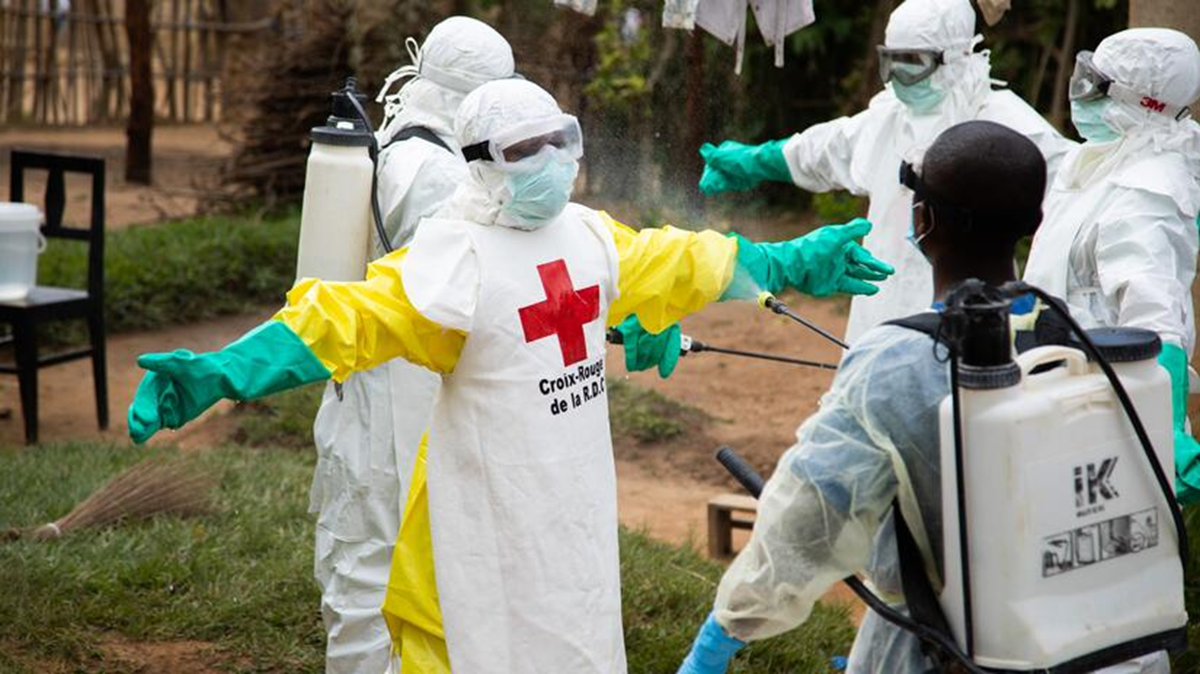
“We have already deployed them for Ebola response, cholera and other emergencies. Unfortunately, the continent records more than 200 public health emergencies each year. We must always be ready to provide external support to member states whenever the scale of an emergency exceeds national capacity,” he said.
He added that the COVID-19 pandemic underscored the urgent need to strengthen both national and continental capacity, as many countries outside Africa were preoccupied with their own crises. A
Dr Mankoula said Africa must build resilient national systems that can respond swiftly to emergencies, while deepening collaboration among member states so that when a crisis overwhelms one country, neighboring nations and continental institutions can step in with timely support and resources.