Kudakwashe Pembere
Abortion complications account for an estimated five percent of maternal deaths in her setting. Of the women who die from abortion-related complications, up to 70 percent have undergone unsafe procedures.
For Dr Rumbidzai Makoni, these are not just statistics. They are women she has treated, and in some cases, women she lost.
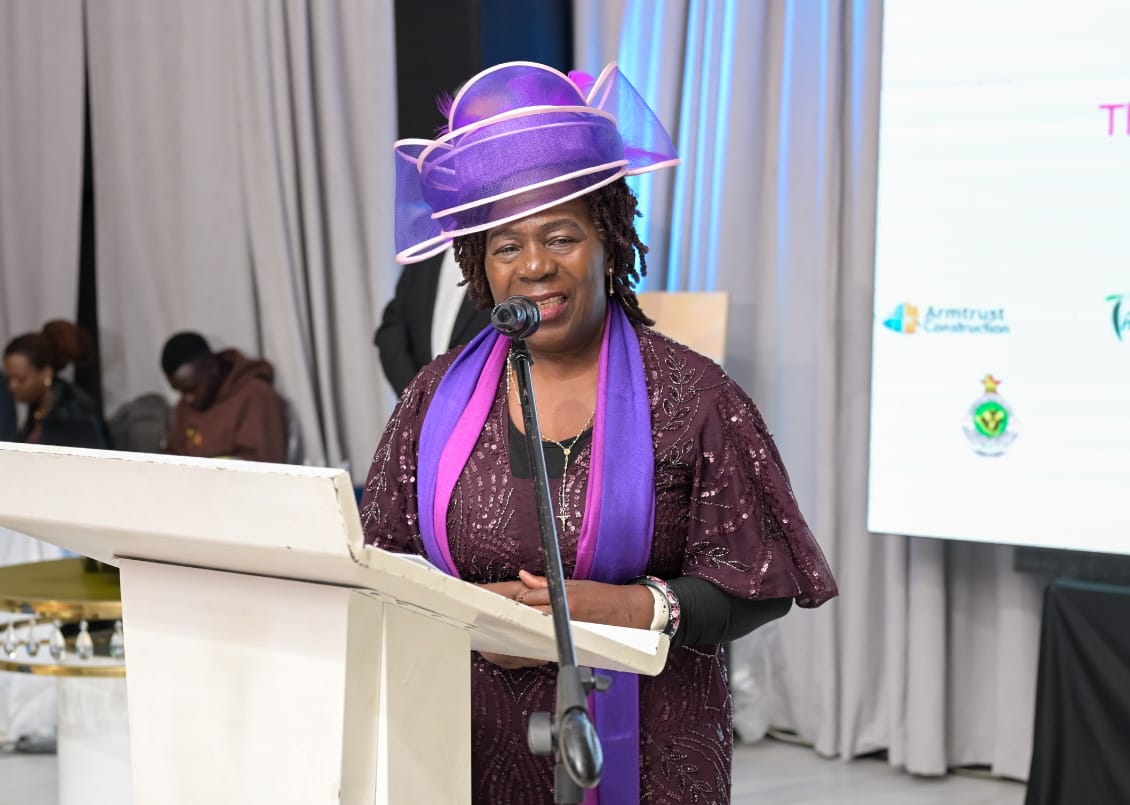
An obstetrician based at Parirenyatwa Group of Hospitals and in private practice, Dr Makoni is a national Emergency Obstetric and Neonatal Care trainer, a comprehensive abortion care trainer and the national vice chairperson of the Maternal Perinatal Death Surveillance and Response team.
Her work centres on one objective: reducing preventable maternal deaths among women of reproductive age.
One of the most persistent drivers of those deaths, she says, is complications arising from abortion and early pregnancy loss.
“We are trying to preserve life,” she explains. “Whether the pregnancy ended spontaneously or was induced in illegal and unsafe means, once a woman comes to us with complications, it becomes our responsibility to manage her.”
From Post-Abortion to Comprehensive Care
Dr Makoni prefers the term comprehensive abortion care rather than post-abortion care.
The shift in language reflects a shift in philosophy.
It is not only about treating complications after a miscarriage or termination. It is about addressing the woman’s entire reproductive health in that moment.
Globally, about six out of every 10 unintended pregnancies end in termination. Unintended pregnancies stem from multiple realities: limited access to family planning, financial hardship, improper contraceptive use and contraceptive failure.
Zimbabwe’s law permits termination only under specific conditions: rape or incest, severe fetal abnormalities incompatible with life or when continuing the pregnancy poses a serious threat to the mother’s life or could result in permanent physical impairment.
Yet the existence of legal restrictions does not eliminate unwanted pregnancies.
“If a woman has decided she does not want that pregnancy, she will do whatever she can to make sure it goes,” Dr Makoni says. “The difference is whether she does it safely or unsafely.”
From a clinical standpoint, she argues that restrictive laws do not necessarily reduce the number of terminations.
“In countries where the law has been liberalised, the numbers of terminations do not necessarily increase,” she explains. “What changes are the mortality rates and the complication rates. They go down.”
Unsafe procedures carry long-term consequences. Damage to the uterus can impair future fertility. Severe infections can scar reproductive organs. Some women who later wish to conceive struggle with infertility linked to prior unsafe abortions.
“If a termination is done in a safe, controlled environment, it does not affect future fertility,” she says. “But unsafe methods can cause permanent damage.”
When Women Arrive Too Late
A recurring pattern in her department is delayed presentation.
Women postpone seeking care for many reasons. Some lack money for transport or hospital fees. Others must seek approval from husbands or in-laws before making health decisions. Cultural norms discourage early disclosure of pregnancy, making it harder to seek help when bleeding begins in the first trimester.
“The moment you are pregnant and you see blood, present,” Dr Makoni urges. “Do not stay at home.”
Delays can transform manageable conditions into fatal emergencies. An ectopic pregnancy, where a fertilised egg implants in the fallopian tube rather than the uterus, can rupture and cause catastrophic internal bleeding.
Recently, her unit recorded two maternal deaths in one month from late-diagnosed ectopic pregnancies.
By the time some women reach hospital, they have lost significant amounts of blood. Blood products are scarce and costly. Intensive care beds are limited. Each hour of delay narrows the window for survival.
Blood Shortages and System Strain
About a third of miscarriage cases presenting at her unit are already complicated. Some women are severely anaemic from heavy bleeding. Others are septic due to infection triggered by unsafe methods or prolonged delays.
In the most severe cases, patients develop pelvic abscesses requiring surgery and intensive care admission. ICU services are shared with other departments and capacity is limited. The financial burden on families can be devastating, and the strain on the health system is constant.
Resource constraints remain a daily challenge. Blood is not always available. Equipment can be outdated or insufficient.
In 2020, Dr Makoni’s team established an early pregnancy assessment unit designed to meet international standards, including a dedicated ultrasound machine with transvaginal probes for early diagnosis. The equipment was second-hand and failed within two years. She also appealed to well-wishers for replacement funding, yet to be secured. Manual vacuum aspiration syringes sometimes run out.
Despite this, the unit continues to function. Training has been decentralised to district and city nurses to ensure early pregnancy complications can be managed closer to communities, easing pressure on central hospitals.
“We try the best with what we have,” she says. “But we could always do more if resources were sufficient.”
Adolescents and the Weight of Stigma
Young women face additional barriers. Fear, stigma and legal anxiety often silence them.
“When a patient presents, we manage them as a patient,” Dr Makoni says.
While ideally minors should be accompanied by guardians, saving life takes priority. If abuse is suspected, social workers are engaged to investigate and protect vulnerable girls.
“If one person is interrogated and shamed, they will tell their friends, and others will stay at home and die. We don’t want them to die.”
Creating a non-judgmental space, she believes, is essential to ensuring adolescents seek help early rather than resorting to unsafe methods.
A Structured Response to a Public Health Reality
Comprehensive abortion care in her unit rests on five pillars: emergency management, counselling, family planning, broader reproductive health screening and community awareness.
Emergency care stabilises women who are bleeding or infected. Counselling acknowledges the emotional toll of pregnancy loss. Family planning ensures women leave with informed contraceptive choices and time for recovery. Screening addresses cervical cancer, breast cancer and sexually transmitted infections. Community awareness encourages early presentation when bleeding begins.
“It’s not just about managing the immediate problem,” she says. “It’s about managing the whole reproductive health.”
For Dr Makoni, comprehensive abortion care is not framed as ideology. It is grounded in what she sees every day: women arriving critically ill, sometimes too late.
It stabilises the bleeding woman. It treats infection. It offers counselling and contraception. It screens for broader health issues. It educates communities.
Above all, it recognises a simple truth. Once a woman reaches the hospital door, her life becomes the priority.
In a health system navigating shortages, cultural complexity and legal constraints, that commitment remains one of the strongest safeguards against preventable maternal death.