By Kuda Pembere
Zimbabwe is considering introducing breathalyser testing for health workers amid growing concern over drug and substance abuse within the sector.
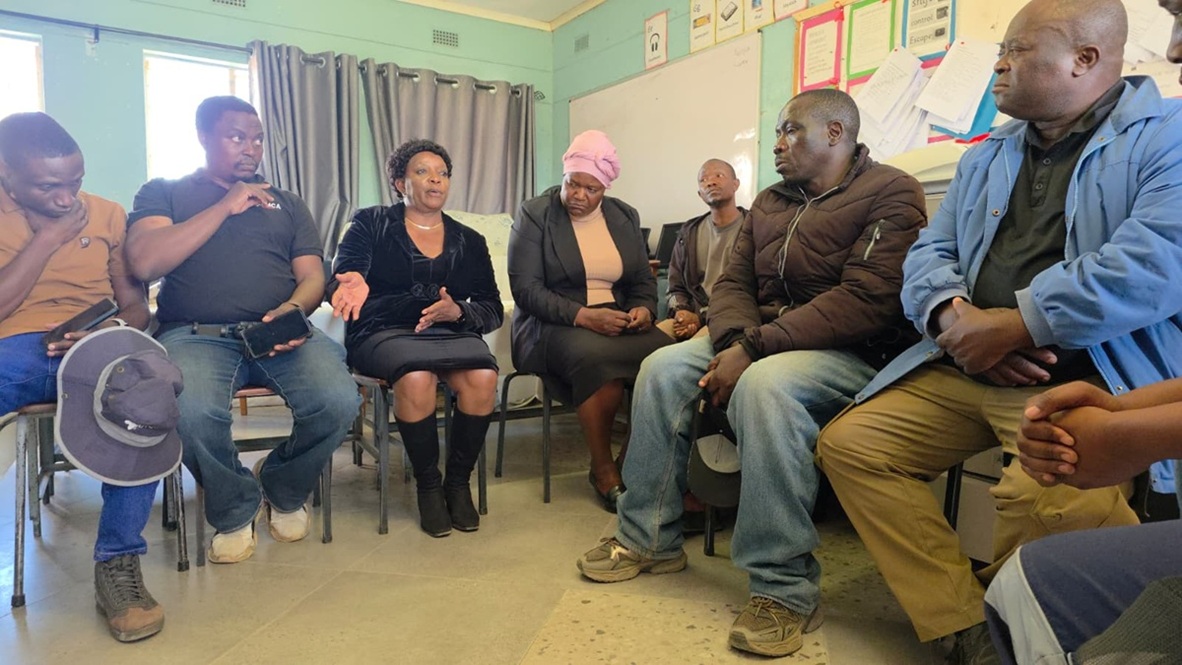
The Health Service Commission (HSC), which oversees the public health workforce, recently convened a workshop to address rising cases of substance misuse among health professionals.
The discussions come after Health and Child Care Minister Douglas Mombeshora revealed that about 70 health workers had been identified as abusing drugs and substances.
Recent data from the Medical and Dental Practitioners Council of Zimbabwe (MDPCZ) shows that around 100 practitioners are currently under supervision for substance abuse-related issues.
In a recent case highlighting the trend, a doctor in Gweru was arrested last November over the alleged use of crystal meth.
Speaking to journalists on the sidelines of the workshop, HSC Secretary General Christopher Pasi said the commission is exploring the use of breathalysers as part of broader measures to curb substance abuse.
“The issue of, for example, substance testing or breathalysers, which are okay in other industries such as complex manufacturing or mining, is an issue that we need to look at.
“How can we encompass that within our own regulation so that this issue of substance abuse is not only a danger to the person themselves, but to the patient that is being managed, because we need all of our health workforce to be of sound mind when they are managing our patients in the service,” he said.
Dr Pasi acknowledged that substance abuse cases within the health sector are increasing and are now being handled as disciplinary matters.
“As the Health Service Commission, we are the custodians of the health workforce in Zimbabwe, numbering up to 52,000 workers. The health service workers are part of the community, and we realise there is a big problem of alcohol and substance abuse within the community.
“These are issues that are also coming to the HSC as disciplinary matters when members of the health service are noted to be abusing substances or alcohol in the workplace,” he said.
He said the commission is also moving to strengthen wellness programmes across the health sector.
“Government-wide, one can see that we are now deliberately putting in place gender wellness and inclusivity work streams, and we are going to do the same within the health service where there is gender inclusivity and wellness, so that we have a deliberate mechanism to make sure that we put wellness in front.
“And wellness will make sure that there are programmes that are put in place that identify, teach, and bring people together so that they can come out in a confidential manner before these things happen.
“But there are also, I think, other issues that we are looking at within the health service to come up with wellness activities that bring different teams of the health workforce together to be able to promote the issue of wellness, rather than to manage when issues are at an advanced stage,” he said.
Clotilda Chimbwanda, Secretary General of the Health Professions Authority (HPA), said substance abuse cases are being recorded across all health professions.
“The Health Professions Authority (HPA), which brings together eight professional councils, says cases of substance abuse are being recorded across the board.
“We do have a challenge of drug and substance abuse that is ongoing, and we commend the efforts that have been taken up by the HSC to come up with a coordinated approach that covers all the practitioners in terms of the regulators to see how best we can standardise our efforts and our initiatives that we put in place to curb this and try and mitigate this,” she said.
Sustained workplace pressure, long working hours and emotionally demanding environments are being attributed to the trend.