
By Michael Gwarisa
The number of divorced or separated women in Zimbabwe has surged dramatically over the past decade, rising by nearly 100,000 since 2015. This is according to new findings from the 2025 Zimbabwe Demographic and Health Survey (ZDHS), conducted by the Zimbabwe National Statistics Agency (ZIMSTAT) in partnership with the Ministry of Health and Child Care (MoHCC) and development partners.
According to the 2025 report, 12% of women aged 15–49 are now divorced or separated, compared to 9% in 2015. Given Zimbabwe’s current estimated population of 16 million—with approximately 3.2 million women falling within the 15–49 age bracket—this represents a sharp rise from 288,000 divorced or separated women in 2015 to 384,000 in 2025, an increase of 96,000 women over the decade.
The proportion of women who are divorced or separated is more than twice that of men (12% versus 6%),” reads the 2025 ZDHS.
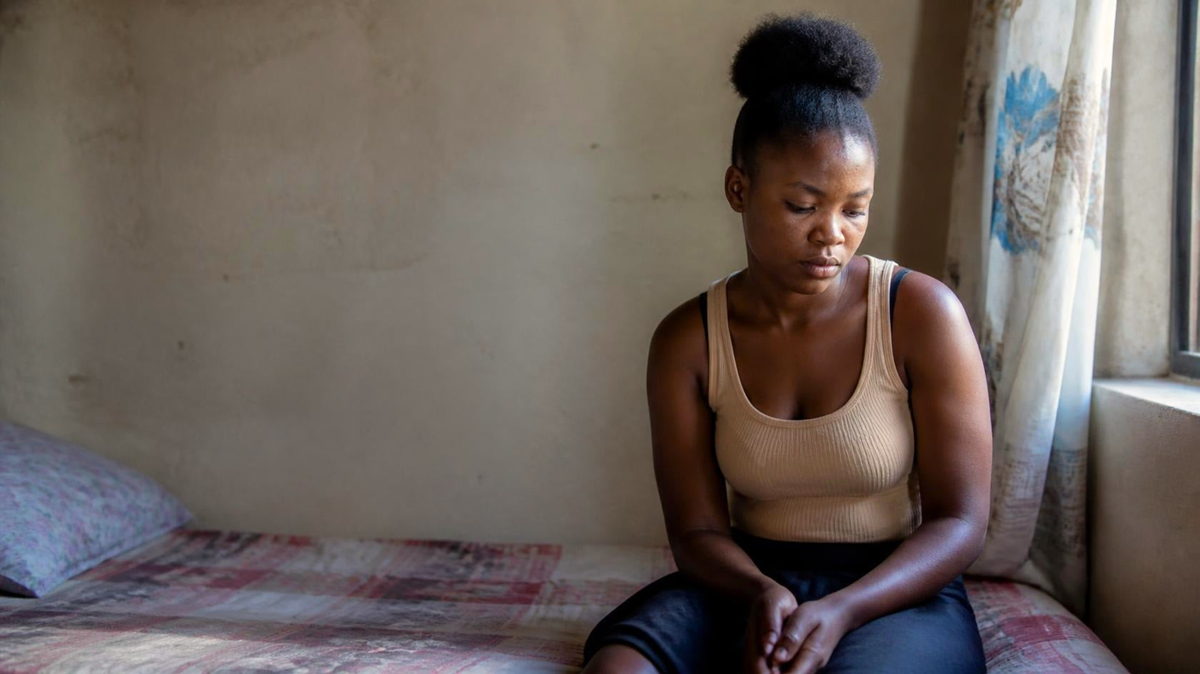
This trend points to a growing willingness among women to walk away from unfulfilling or abusive unions—reflecting broader shifts in societal norms, women’s empowerment, and legal awareness.
In contrast, the proportion of divorced or separated men rose modestly, from 4% in 2015 to 6% in 2025.
The rise in female-led marital dissolution comes amid broader gender disparities in Zimbabwe’s marital landscape. As of 2025, 62% of women aged 15–49 were reported to be currently in union—married or living with a partner—compared to only 48% of men, down from 50% in 2015.
“Marriage and sexual activity help determine the extent to which women are exposed to the risk of pregnancy. Thus, they are important determinants of fertility levels,” the 2025 ZDHS states.
While the overall share of married women remained constant at 62% between 2015 and 2025, men have become less likely to enter into unions. In 2015, the proportion of men aged 15–49 who were currently married or cohabiting was 50%. That figure dropped by 2 percentage points in the 2025 survey, possibly reflecting changing economic conditions, evolving gender roles, and the postponement of marriage among men.
At the same time, the proportion of those who have never married has remained relatively stable: 45% of men have never been married in both surveys, while women who have never married decreased slightly, from 25% in 2015 to 23% in 2025.
Marriage remains nearly universal in Zimbabwe, but the timing and stability of unions are clearly shifting. The 2015 ZDHS noted:
“By age 45–49, only 4 percent and 2 percent of women and men, respectively, had never been married.”
In terms of widowhood, the proportion of widowed women declined slightly, from 4% in 2015 to 3% in 2025, while the percentage for men remained at 1%. This could indicate modest improvements in male life expectancy or healthcare access.
Demographers and gender specialists argue that these statistics carry important policy implications.
“We are witnessing a gradual shift in marriage patterns that cannot be ignored. Policies that target only married couples are likely to miss large segments of the population, especially sexually active youths and never-married adults,” noted a demographic expert involved in the 2025 ZDHS review process.
As Zimbabwe’s social fabric evolves, these figures suggest that the institution of marriage is under transformation—not in its relevance, but in its stability and timing. With 384,000 women now divorced or separated, the data calls for more gender-sensitive programming, mental health support, and economic protection for women navigating life after marriage.