By Michael Gwarisa
Zimbabwe will begin using revenue collected from sugar-sweetened beverages and fast-food taxes to finance nutrition programmes and tackle the growing burden of obesity and diet-related non-communicable diseases (NCDs) following Cabinet’s approval of the National Nutrition Financing Strategy.
The strategy, presented by Vice President General (Rtd) Dr. Constantino Chiwenga in his capacity as Chairperson of the Cabinet Committee on Food Security and Nutrition, seeks to channel additional resources into nutrition interventions while strengthening efforts to prevent NCDs.
Speaking during a post-Cabinet media briefing, Information, Publicity and Broadcasting Services Minister Hon. Dr. Zhemu Soda said Zimbabwe had made significant progress in reducing hunger over the past two decades but now faced a new nutrition challenge driven by changing diets.
“Cabinet noted with satisfaction the progress that has been achieved in improving food security and nutrition, resulting in the reduction of hunger across the country,” Zhemu said.
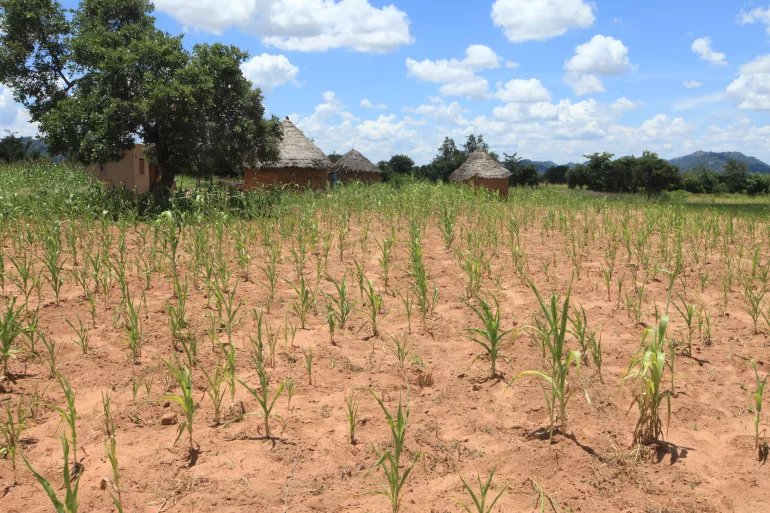
He said Zimbabwe’s Global Hunger Index score had improved from 35.5 in 2000 to 20.9 in 2025, largely due to interventions such as the Pfumvudza/Intwasa programme, improved access to agricultural inputs, the Food Deficit and Drought Mitigation Programme, and initiatives championed by First Lady Dr. Auxillia Mnangagwa promoting traditional food systems.
However, Zhemu warned that these gains were increasingly under threat from the rising consumption of sugar-sweetened beverages and fast foods, which are contributing to higher rates of obesity, overweight and diet-related non-communicable diseases.
“The Nutrition Financing Strategy will therefore increase resources towards nutrition and Non-Communicable Disease prevention programmes through the deployment of resources from sugar-sweetened beverages and fast-food tax revenue,” he said.
According to Cabinet, the funds will support programmes under several strategic pillars, including health and nutrition, agriculture and food systems, human capital development, social protection, water, sanitation and hygiene (WASH), research and innovation, advocacy, and programme coordination.
Priority interventions will include scaling up nutrition during the first 1,000 days from pregnancy, strengthening primary healthcare services for NCD prevention, promoting food fortification and food safety, supporting nutrient-dense food production and climate-resilient traditional food systems, expanding school health and nutrition programmes, improving adolescent nutrition, and strengthening public education campaigns on healthy diets.
Cabinet also directed that technical nutrition policies be translated into simple and accessible public information to improve awareness and encourage healthier food choices.