By Michael Gwarisa
The Southern African Doctors for Human Rights (SADHR) and Amnesty International have called for urgent protection of migrants, refugees and foreign nationals in South Africa amid escalating violence, discrimination and human rights violations.
The organisations expressed deep concern over reports of attacks, intimidation, forced internal displacement and growing hostility targeting foreign nationals, warning that the situation poses serious human rights, public health and humanitarian risks that require immediate intervention by authorities.
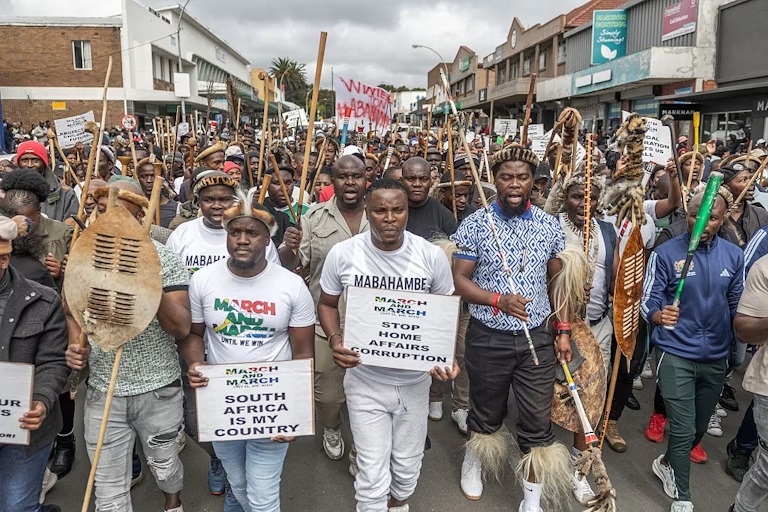
South Africa has experienced recurring waves of xenophobic violence over the past two decades, with another surge currently unfolding. Recent incidents include protests, attacks and intimidation targeting migrants, refugees and asylum seekers, particularly in urban areas, resulting in injuries, displacement, destruction of property and reported deaths.
The groups noted that the current tensions are being driven by long-standing socio-economic challenges such as unemployment, inequality, poverty and service delivery pressures, alongside concerns over migration governance. However, they stressed that these factors cannot justify violence, discrimination or exclusion against any group.
They warned that increasing numbers of migrants, refugees and asylum seekers are being forced into temporary shelters, places of worship and informal settlements due to safety concerns, raising serious protection and health risks.
“The right to life, dignity, health and freedom from discrimination are fundamental human rights that must be safeguarded at all times and for all people, regardless of nationality or migration status,” the statement reads.
The organisations said acts of violence and exclusion undermine not only the rights of affected individuals but also the values of solidarity and human dignity that underpin regional cooperation in Southern Africa.
They further noted that persistent inequality and socio-economic exclusion rooted in historical legacies continue to create conditions where scapegoating and violence can occur.
The statement also raised alarm over growing public health concerns, warning that displacement is likely to disrupt access to essential healthcare services, including treatment for HIV, tuberculosis, diabetes and hypertension.
It added that affected populations are at increased risk of mental health challenges, gender-based violence, exploitation, and poor access to water, sanitation and shelter, all of which increase the risk of communicable diseases.
Women, children, older persons and people with disabilities were identified as particularly vulnerable and in need of urgent access to essential services.
The organisations called on South African authorities to ensure continued, non-discriminatory access to healthcare and essential services, in line with constitutional and international human rights obligations.
They also emphasised the need for coordinated preparedness measures to manage population displacement and ensure continuity of healthcare, psychosocial support and asylum processes.
Southern Africa, they said, has a long history of solidarity and shared struggle, and these values must guide South Africa’s response to the current crisis.
The statement also referenced South Africa’s National Action Plan to Combat Racism, Racial Discrimination, Xenophobia and Related Intolerance, urging stronger implementation to promote social cohesion and human dignity.
The organisations made several recommendations to authorities, including immediate steps to prevent further violence and forced displacement, and to ensure protection for all people regardless of nationality or migration status.
They also called for uninterrupted access to healthcare and essential medicines, including treatment for chronic conditions and mental health support, as well as strengthened emergency preparedness.
Authorities were further urged to address root causes of tension through improved service delivery, stronger governance and reinforcement of the rule of law.
Political leaders and public figures were also called upon to avoid inflammatory rhetoric that could fuel hostility or violence.